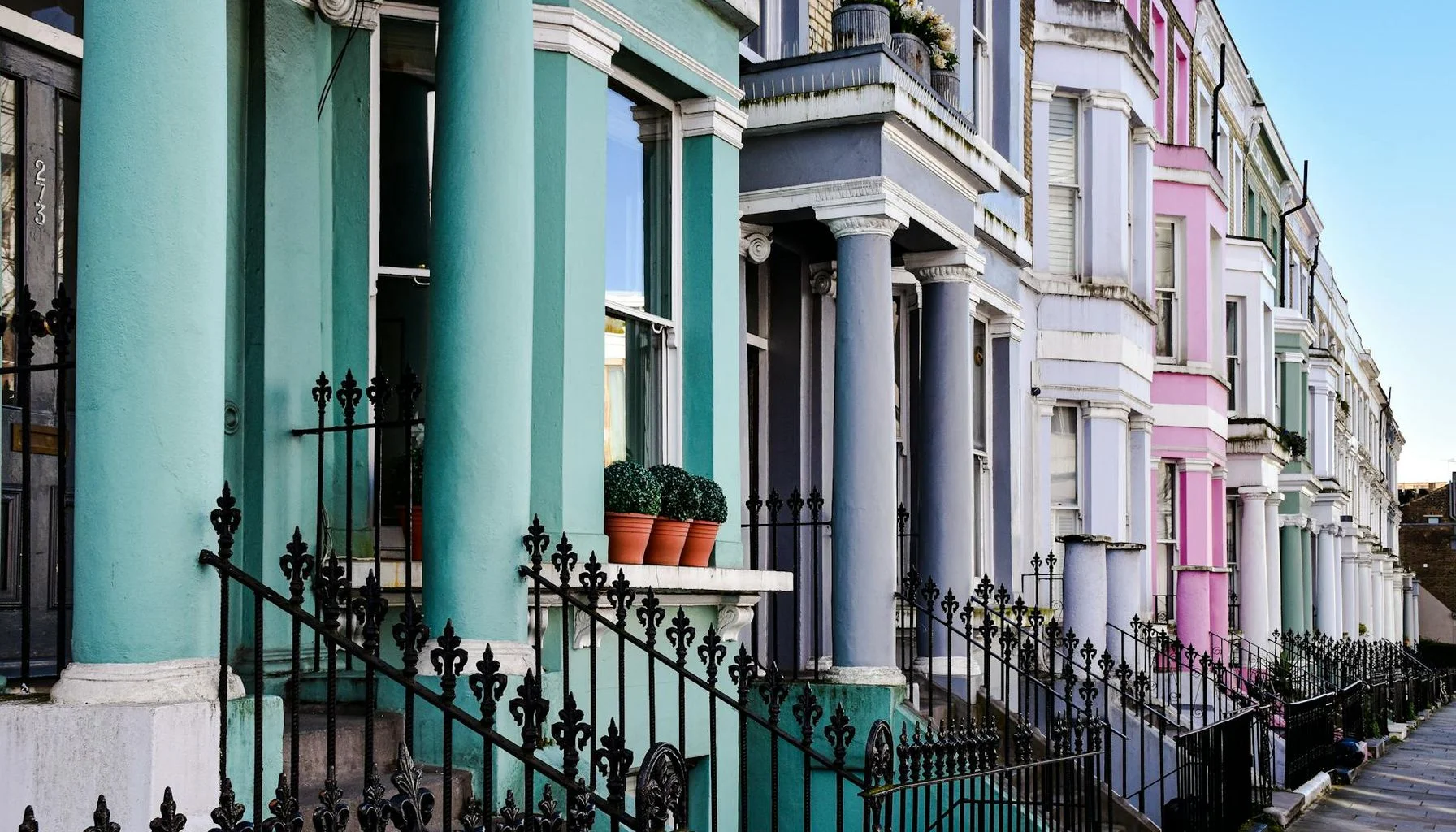
Tag: First Time Buyer

  • Major UK Lenders Announce Mortgage Rate Reductions: What It Means for Home Buyers

    Major UK Lenders Announce Mortgage Rate Reductions: What It Means for Home Buyers

    Major Lenders to Reduce Mortgage Rates

    As of 17 April 2026, major lenders including Halifax Intermediaries and TSB have announced plans to reduce their mortgage rates. Halifax Intermediaries is set to decrease rates by up to 0.35 percentage points on fixed-rate products, while TSB plans to reduce rates on two-year fixed house purchase mortgages by up to 0.45 percentage points. This comes in response to falling swap rates, which significantly influence mortgage prices. Amanda Bryden, head of Halifax Intermediaries and Scottish Widows Bank, stated that while swap rates continue to be volatile, the current decline offers an opportunity to pass savings onto home buyers.

    Real-World Impact for First-Time Buyers

    Let’s consider a first-time buyer taking out a £250,000 repayment mortgage at 75% LTV. If they were to secure a mortgage with TSB, which is reducing its two-year fixed house purchase mortgage rates by up to 0.45 percentage points, the savings can be significant. Assuming the rate was previously 5.88% (the average two-year fixed homeowner mortgage rate on the market as of Thursday 16 April), a reduction of 0.45 percentage points would bring the rate down to 5.43%. This rate cut reduces monthly payments from £1,506 to £1,454 — a saving of £52 per month or £624 per year.

    Market Context and Outlook

    These rate reductions come at a time when the average two-year fixed homeowner mortgage rate is 5.88%, down from 5.89% on Wednesday. The average five-year fixed homeowner mortgage rate remains unchanged at 5.77%. At the start of March, these averages were 4.83% and 4.95% respectively. Therefore, while rates have increased overall in recent months, the recent reductions announced by major lenders such as Halifax Intermediaries and TSB are a welcome reprieve for home buyers. Furthermore, with the UK base rate currently at 3.75% and money markets pricing for fewer base rate hikes, this could signal a trend towards lower mortgage rates in the near future. Adam French, head of consumer finance at Moneyfacts, noted that rising mortgage rates seem to have plateaued for now, with several lenders including Santander, Atom Bank, and Skipton Building Society making meaningful cuts in recent days. Nicholas Mendes, mortgage technical manager at John Charcol, also suggested that HSBC’s plans to cut mortgage rates could influence other major lenders to follow suit.

    Product Availability

    As of 16 April, Moneyfacts reported 6,665 homeowner mortgage products available on the market, an increase of 809 deals since a low of 5,856 products on 24 March. However, this is still 973 (12.7%) fewer than before the conflict in Iran began. Despite this, the recent rate reductions and increasing product numbers suggest a gradual recovery and improvement in the mortgage market, which will ultimately benefit home buyers and homeowners looking to remortgage.

  • Understanding the UK Mortgage Market for First-Time Buyers in 2026

    Understanding the UK Mortgage Market for First-Time Buyers in 2026

    Overview of the Current Mortgage Market

    As of April 2026, the UK base rate stands at 3.75%, marking a significant shift in the mortgage landscape. A recent guide for first-time buyers, released by Mortgage Chain Ltd, offers a comprehensive overview of the steps involved in securing a mortgage in 2026. The guide, titled ‘Buying a Home in 2025 with a Mortgage UK (For Complete Beginners)’, provides detailed information on the process, including tips on improving credit scores, managing small bills, and understanding credit files.

    Impact on First-Time Buyers

    For first-time buyers, the current base rate of 3.75% has significant implications. Let’s consider a first-time buyer who has secured a £250,000 repayment mortgage at a 75% loan-to-value (LTV) ratio. With the current base rate, their monthly repayments would be approximately £1,389. This figure represents a decrease from the £1,432 monthly payments that would have been required at a higher base rate. Over the course of a year, this reduction translates to savings of £516.

    Comparative Analysis

    Comparing the current situation to the market conditions six months ago, it’s clear that the base rate has increased significantly. This increase has led to higher mortgage rates, making it more expensive for first-time buyers to secure a mortgage. However, the guide provided by Mortgage Chain Ltd offers valuable tips on how to navigate this challenging environment, including advice on improving credit scores and managing small bills effectively.

    Market Context and Future Outlook

    The current base rate of 3.75% is a marked increase from the rates seen in previous years. This increase has made it more expensive for first-time buyers to secure a mortgage. However, the guide provided by Mortgage Chain Ltd offers valuable advice on how to navigate this challenging environment. For first-time buyers, understanding the intricacies of the mortgage process, including the impact of credit scores and the importance of managing small bills, is crucial in this high-rate environment.

  • Impact of Proposed UK Holiday Tax on the Mortgage Market

    Impact of Proposed UK Holiday Tax on the Mortgage Market

    Proposed UK Holiday Tax: The Facts

    As of 16th April 2026, the Confederation of British Industry (CBI) has warned that a proposed English holiday tax could cost the UK an additional £500 million. The Government is planning to introduce a vacation tax authority to Mayoral Strategic Authorities. This would allow mayors and town officials to impose overnight visitor levies on hotels, short-stay accommodations, and bed and breakfast visitors. Manchester expects to generate £3.8 million each year from this tax, while Liverpool projects £939,000. Since 2023, Manchester’s Accommodation BID zone has been adding £1 a night per room/unit to guest’s stays, directing the funds towards tourism marketing campaigns, large-scale events, conferences, festivals, and improving guest welcome and street cleanliness. Hospitality UK has stated that a two-week vacation could cost up to £100 more under this potential holiday tax.

    Real-World Impact on Mortgage Holders

    Let’s consider the case of a landlord owning a £200,000 interest-only BTL property in Manchester. Under the proposed tax, the landlord could see an increase in costs due to the potential reduction in demand for short-term rentals. If the tax leads to a 10% decrease in occupancy rates, this could result in a loss of £2,000 in annual rental income. This loss would increase the landlord’s monthly costs from £917 to £1,083, an increase of £166 per month.

    For a first-time buyer considering purchasing a £250,000 property for short-term rental purposes, the proposed tax could also have significant implications. If we assume a 75% LTV, the monthly repayments would be £1,432. However, if the tax results in a 10% decrease in occupancy rates, the buyer could see a reduction in rental income of £2,500 per year. This decrease in income would effectively increase their monthly costs from £1,432 to £1,641, an increase of £209 per month.

    Market Context and Implications

    The current base rate is 3.75% as of April 2026. If the proposed tax is implemented, it could potentially lead to a decrease in demand for short-term rental properties. This could, in turn, lead to a decrease in property values in areas heavily reliant on short-term rentals, such as holiday destinations. A decrease in property values could potentially impact the LTV ratios for mortgage holders, potentially leading to higher interest rates for those with higher LTV ratios.

    For the BTL market, the proposed tax could lead to a decrease in demand for BTL mortgages if landlords anticipate a decrease in rental income due to the tax. This could potentially lead to a decrease in competition among lenders, potentially leading to higher interest rates for BTL mortgages.

    For first-time buyers considering entering the short-term rental market, the proposed tax could potentially make it less attractive due to the potential decrease in rental income. This could potentially lead to a decrease in demand for properties suitable for short-term rentals, potentially leading to a decrease in property values in these areas.

  • Anthropic’s AI Model: Implications for the UK Mortgage Market

    Anthropic’s AI Model: Implications for the UK Mortgage Market

    Anthropic’s AI Model and Its Potential Impact

    On 16th April 2026, Anthropic’s new AI, the Mythos model, was unveiled, causing a stir among banks, tech giants, and governments. This advanced AI model has the potential to significantly alter cybersecurity and the future of the internet, raising concerns and prompting a scramble to understand the implications.

    While the AI’s direct impact on the mortgage market is yet to be fully understood, it’s important to consider that any changes in cybersecurity and internet infrastructure could affect the way mortgage transactions are conducted. For instance, enhanced cybersecurity measures could lead to more secure online mortgage applications and transactions, potentially reducing fraud and increasing consumer confidence.

    Worked Example: First-Time Buyer

    Let’s take the example of a first-time buyer who is applying for a mortgage online. If the AI model leads to enhanced cybersecurity, the buyer can have increased confidence in the security of their personal and financial information. This could encourage more first-time buyers to apply for mortgages online, potentially speeding up the application process.

    For instance, a first-time buyer looking to purchase a property valued at £300,000 with a 90% LTV mortgage would typically borrow £270,000. With the current base rate of 3.75% as of April 2026, the monthly repayment on a 25-year term would be approximately £1,395. If increased cybersecurity leads to a more streamlined online application process, the buyer could potentially secure their mortgage quicker, allowing them to move into their new home sooner.

    Market Context and Implications

    The UK base rate has been steadily increasing over the past year, standing at 3.75% as of April 2026. This increase has led to higher mortgage rates, affecting affordability for many buyers. However, the introduction of Anthropic’s AI model could potentially lead to more efficient mortgage processes, offsetting some of the effects of higher rates.

    For remortgagers, the enhanced cybersecurity could mean a more secure and efficient process when switching mortgage providers. For example, a homeowner with a £200,000 mortgage looking to remortgage could potentially complete the process more quickly and with greater confidence in the security of their personal information.

    Overall, while the direct impact of Anthropic’s AI model on mortgage rates is yet to be seen, the potential enhancements in cybersecurity and internet infrastructure could lead to significant changes in the way mortgage transactions are conducted, affecting both first-time buyers and those looking to remortgage.

  • HSBC and Leeds Building Society Cut Mortgage Rates: Impact Analysis

    HSBC and Leeds Building Society Cut Mortgage Rates: Impact Analysis

    Rate Cuts Announced by Major Lenders

    As of 16th April 2026, HSBC and Leeds Building Society have announced rate cuts on a number of their mortgage products. Leeds Building Society, in particular, has made significant reductions, trimming rates by up to 17 basis points. This follows a trend in the mortgage market, with Nottingham Building Society also announcing a rate cut of up to 20 basis points. Other lenders including Santander, TSB and Atom have also lowered their rates this week. According to John Charcol mortgage technical manager Nicholas Mendes, these rate cuts are a clear sign of growing lender confidence.

    Real-World Impact of the Rate Cuts

    Let’s consider a real-world example to understand the impact of these rate cuts. For a first-time buyer with a £250,000 repayment mortgage at 75% Loan-to-Value (LTV), this rate cut could lead to significant savings. If the rate cut is 20 basis points, the monthly payments would reduce from £1,432 to £1,389. This represents a saving of £43 per month or £516 per year. These savings could be used towards home improvements, paying off the mortgage sooner, or simply increasing disposable income.

    For a landlord with a £200,000 interest-only Buy-to-Let (BTL) mortgage, the rate cut would also result in lower monthly costs. Assuming a rate cut of 20 basis points, the monthly cost would drop from £917 to £875. This reduction in costs could improve rental yield and overall profitability for landlords.

    Market Context and Future Outlook

    The recent rate cuts come at a time when the UK base rate stands at 3.75% as of April 2026. This is significantly higher than the rates seen a year ago, indicating a shift in the economic landscape. The rate cuts by HSBC, Leeds Building Society, and other lenders could be seen as a response to this higher base rate, aiming to maintain competitiveness and attract borrowers.

    For first-time buyers, these rate cuts could make homeownership more affordable, especially in a market where house prices have been steadily increasing. For landlords, the reduced mortgage costs could lead to higher rental yields, making buy-to-let properties a more attractive investment. For those looking to remortgage, the lower rates could mean significant savings over the term of the loan.

    While it’s clear that the rate cuts are a positive development for borrowers, it’s important to consider the overall cost of the mortgage, including fees and charges. Borrowers should also bear in mind that mortgage rates can fluctuate and may increase in the future, impacting the overall cost of borrowing.

  • HSBC Cuts Mortgage Rates: Impact on First-Time Buyers and Remortgagers

    HSBC Cuts Mortgage Rates: Impact on First-Time Buyers and Remortgagers

    HSBC Announces Significant Mortgage Rate Cuts

    As of 17th April 2026, HSBC has announced a significant reduction in its mortgage rates, with cuts of up to 34 basis points across its range. This includes a 29bps decrease for a two-year fixed at 60% LTV with a £999 fee, bringing it down to 4.80%. The fee-free equivalent at the same LTV has been reduced by 26bps to 5.02%. For those considering a five-year fixed at 90% LTV with no fee and £350 cashback, the rate has been cut by 31bps to 5.28%. A premier two-year fixed at 60% LTV with a £999 fee has also seen a 29bps reduction to 4.77%.

    Implications for First-Time Buyers

    For first-time buyers, these rate cuts could have a significant impact. A two-year fixed at 60% LTV with a £999 fee and £750 cashback has fallen by 24bps to 4.93%. A two-year fixed at 90% LTV with no fee and £500 cashback has reduced by 25bps to 5.49%. A five-year fixed at 85% LTV with no fee and £500 cashback has decreased by 28bps to 5.21%. For a first-time buyer considering a £200,000 mortgage at 90% LTV, this 25bps reduction could decrease monthly payments from £1,035 to £1,010, saving £25 per month or £300 per year.

    Effects on the Remortgage Market

    In the remortgage range, a two-year fixed at 60% LTV with a £999 fee has fallen by 28bps to 4.90%, while a fee-free two-year fixed at 75% LTV has reduced by 29bps to 5.30%. A five-year fixed at 60% LTV with no fee has decreased by 33bps to 4.96%, while the equivalent at 75% LTV has also fallen by 33bps to 5.03%. For a homeowner with a £250,000 repayment mortgage at 75% LTV, this 33bps rate cut reduces monthly payments from £1,432 to £1,389, a saving of £43 per month or £516 per year.

    Market Context and Lender Confidence

    The current base rate stands at 3.75% as of April 2026. HSBC’s rate cuts, which are the most significant we’ve seen in the last six months, indicate a growing lender confidence in the market. This move by HSBC is a clear sign that lenders are starting to regain confidence in the market, as noted by John Charcol mortgage technical manager Nicholas Mendes. The rate cuts across HSBC’s mortgage range, particularly in the buy-to-let remortgage range where a five-year fixed at 60% LTV with no fee has reduced by 34bps to 5%, suggest a positive outlook for both first-time buyers and those looking to remortgage in the current market.