Tag: home buying

  • Can You Get a Mortgage on a Timber-Built Property?

    Can You Get a Mortgage on a Timber-Built Property?

    Timber-built properties can present unique challenges when seeking a mortgage. While it is possible to secure financing for these homes, the options may be limited depending on the construction type, which can affect interest rates and lender preferences.

    TL;DR: Mortgages for timber-built properties are available but often require larger deposits and may involve specialist lenders; borrowers should consult brokers familiar with non-standard constructions.

    What Types of Timber Construction Affect Mortgage Options?

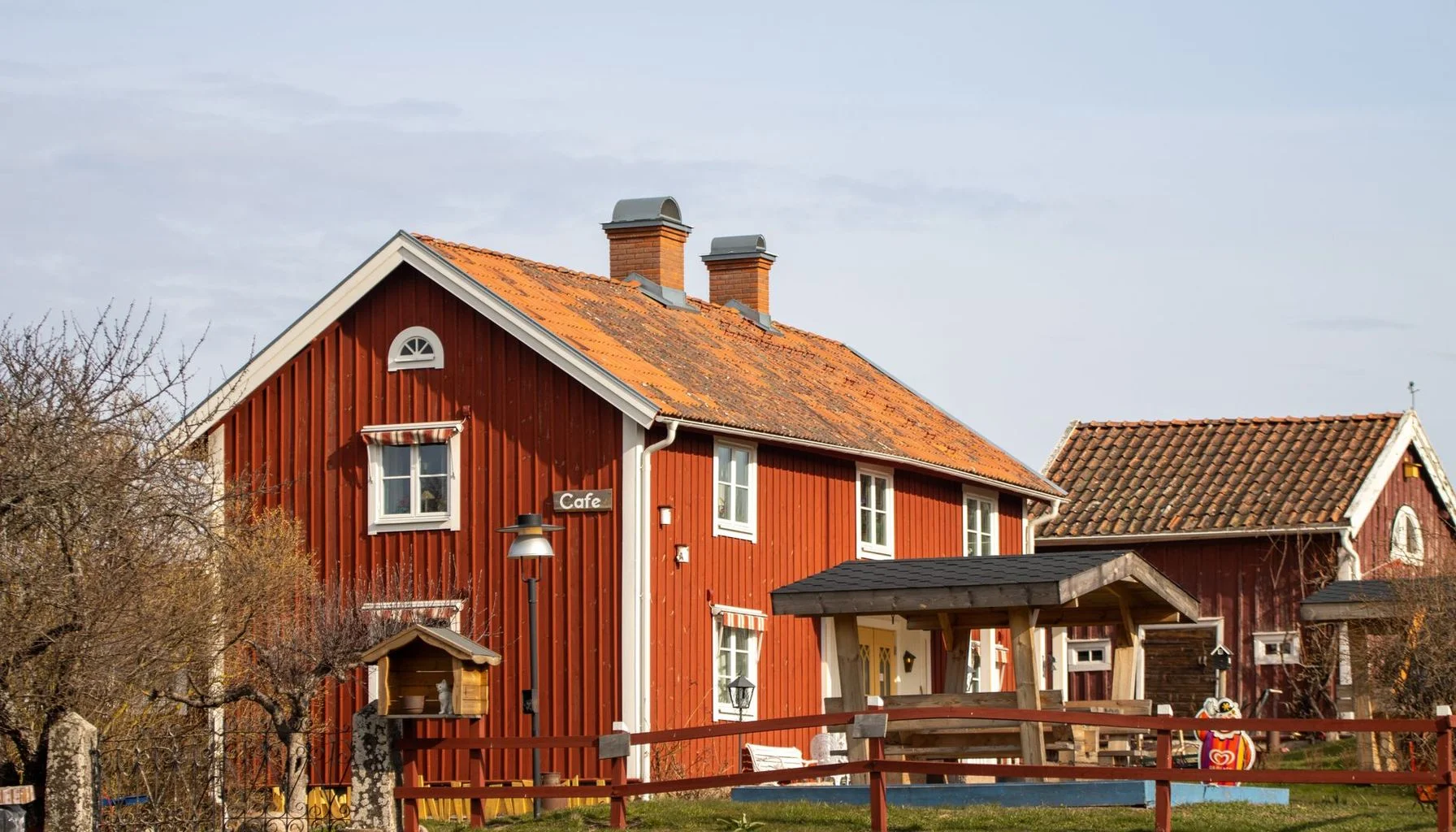
    Timber properties come in various forms, and lenders categorize them based on construction type. Fully timber homes, such as log cabins, may face more scrutiny than those built with timber frames like Swedish chalets or kit homes. These latter constructions are often classified as ‘non-standard construction,’ which can limit lender options.

    Why Are Lenders Cautious About Timber-Built Properties?

    Lenders have specific concerns when it comes to timber-built homes, including:

    • Fire Risk: Timber can be more susceptible to fire damage compared to traditional brick or stone.
    • Durability & Lifespan: The long-term stability of timber structures can be questioned, impacting the property’s value.
    • Resale Value: If the property is repossessed, selling a timber home may be more challenging, affecting lender confidence.
    • Maintenance Requirements: Timber properties often require more upkeep, which can deter potential buyers.

    What This Means for Borrowers and Investors

    For those looking to buy a timber-built property, understanding the mortgage market is essential. High street lenders may not offer standard rates for these homes, and borrowers may need to turn to building societies or specialist lenders who have more flexible underwriting criteria. Factors such as the surveyor’s report, the specific construction type, location, and the borrower’s financial profile will all play a role in the mortgage assessment process.

    Engaging with a broker who has access to a wider range of lenders can provide a better chance of securing a mortgage on a timber property. They can help navigate the complexities of non-standard constructions and ensure that all necessary documentation, including the surveyor’s report, is in order.

    Frequently Asked Questions

    Can I get a mortgage on a log cabin?

    Yes, but securing a mortgage on a log cabin can be more challenging due to its classification as a fully timber property. You may need to seek out specialist lenders.

    What factors will lenders consider for timber properties?

    Lenders will assess the construction type, fire risk, resale value, maintenance needs, and the borrower’s financial situation, including deposit size.

  • Mortgages for Timber-Built Properties: What You Need to Know

    Mortgages for Timber-Built Properties: What You Need to Know

    Obtaining a mortgage on a timber-built property can be challenging, as lenders often have specific concerns regarding these types of constructions. Understanding the nuances of timber properties is essential for potential borrowers and investors.

    TL;DR: Mortgages on timber-built properties are possible but often come with restrictions; fully timber constructions like log cabins face more difficulty in securing standard rates.

    Can You Get a Mortgage on a Timber-Built Property?

    Yes, it is possible to secure a mortgage on a timber-built property, but the options may be limited depending on the construction type. Fully timber homes, such as log cabins, are generally harder to finance compared to properties like Swedish timber or chalet-style homes, which fall under the category of ‘non-standard construction’.

    What Do Lenders Consider?

    Lenders assess several factors when considering a mortgage for timber-built properties:

    • Fire Risk: Timber is more susceptible to fire, which raises concerns for lenders.
    • Durability & Lifespan: The longevity of timber structures can vary, affecting lender confidence.
    • Resale Value: Non-standard constructions may be harder to sell, especially if repossessed.
    • Maintenance Requirements: Timber properties may require more upkeep, influencing lender decisions.

    What This Means for Borrowers

    For borrowers interested in timber-built properties, it is important to understand that high street lenders may not offer standard rates. Instead, you might need to approach building societies or specialist lenders who have more flexible underwriting criteria. Additionally, a larger deposit may be required, and the outcome will heavily depend on the surveyor’s report, the specific construction type, and your financial profile.

    What Should You Do Next?

    If you’re considering purchasing a timber-built property, it’s advisable to consult with a mortgage broker who has access to a wider range of lenders. They can help review your financial situation and the specifics of the property to provide tailored advice. This proactive approach can help you navigate the complexities of securing a mortgage on a non-standard construction.

    Frequently asked questions

    Can I get a mortgage for a log cabin?

    Securing a mortgage for a log cabin can be more difficult due to its classification as a fully timber-built property. You may need to seek specialist lenders.

    What factors influence mortgage approval for timber properties?

    Lenders consider fire risk, durability, resale value, maintenance needs, and the surveyor’s report when assessing mortgage applications for timber properties.

  • Getting a Mortgage on Timber-Built Properties Explained

    Getting a Mortgage on Timber-Built Properties Explained

    Securing a mortgage for a timber-built property can be challenging, but it is possible. Understanding the nuances of timber construction is essential for potential borrowers, as lenders often have specific concerns regarding these types of properties.

    TL;DR: Mortgages for timber-built properties are available but often come with restrictions; fully timber constructions may require larger deposits and specialist lenders.

    What Types of Timber Construction Are There?

    Timber properties can vary significantly in construction style, which influences mortgage eligibility. Fully timber structures, such as log cabins, typically face more scrutiny from lenders. In contrast, properties constructed with Swedish timber or chalet-style homes are classified as ‘non-standard construction.’ These classifications affect lender appetite and the terms of any mortgage offered.

    Why Are Timber-Built Properties More Difficult to Finance?

    Lenders often express concerns about several factors related to timber-built properties, including:

    • Fire Risk: Timber is more susceptible to fire damage, raising concerns about safety and insurance.
    • Durability and Lifespan: The longevity of timber structures can be questioned, impacting resale value.
    • Resale Value: If a property is repossessed, it may be harder to sell, making lenders cautious.
    • Maintenance Requirements: Timber properties may require more upkeep, which can deter some buyers.

    What This Means for Borrowers Seeking a Mortgage

    For those looking to purchase a timber-built property, it’s important to be aware that standard high street lenders may not offer competitive rates. Instead, borrowers might need to seek out building societies or specialist lenders who have more flexible underwriting criteria. Factors such as the surveyor’s report, construction type, location, deposit size, and the borrower’s financial profile will all play significant roles in mortgage approval. For more information on mortgage options, check out our residential mortgages.

    Frequently Asked Questions

    Can I get a mortgage on a log cabin?

    Yes, but you may face challenges. Log cabins are often considered non-standard construction, which can limit lender options and require a larger deposit.

    What should I do if my broker has a limited panel of lenders?

    Consider consulting another broker who specializes in non-standard construction mortgages to explore more options and find a suitable lender.

  • Understanding Mortgages for Timber-Built Properties

    Understanding Mortgages for Timber-Built Properties

    Obtaining a mortgage for a timber-built property can be challenging, but it is possible. The type of timber construction plays a significant role in determining mortgage availability and terms, which is important for prospective buyers and investors.

    TL;DR: Mortgages for timber-built properties exist but are often limited; fully timber structures may require larger deposits and specialist lenders.

    Can You Get a Mortgage on a Timber-Built Property?

    Yes, you can secure a mortgage on a timber-built property, but the options are more restricted compared to traditional brick-and-mortar homes. Fully timber constructions, such as log cabins, face greater scrutiny from lenders. Properties classified as ‘non-standard construction,’ which includes Swedish timber and chalet-style homes, may also be harder to finance.

    What Do Lenders Consider?

    When evaluating timber-built properties, lenders assess several factors:

    • Fire Risk: Timber properties may pose higher fire hazards compared to conventional builds.
    • Durability & Lifespan: The long-term viability of timber structures can affect lender confidence.
    • Resale Value: Properties that are harder to sell if repossessed can be a concern for lenders.
    • Maintenance Requirements: The upkeep of timber properties may influence lending decisions.

    What This Means for Borrowers and Investors

    For borrowers looking to purchase a timber-built home, the mortgage process may require a larger deposit and could involve higher interest rates. High street lenders often shy away from such properties, making it essential to consult with building societies or specialist lenders who have more flexible underwriting criteria. Engaging a knowledgeable mortgage broker can help navigate the limited options available and provide access to a wider range of lenders.

    Frequently Asked Questions

    What types of timber constructions are more likely to get approved?

    Properties like Swedish timber homes or chalet-style constructions may be more accepted than fully timber structures like log cabins, but they still fall under non-standard construction.

    Do I need a surveyor’s report for a timber-built property mortgage?

    Yes, a surveyor’s report is critical as it provides detailed insights into the property’s condition, which lenders will heavily rely on during the assessment process.

  • Mortgage Market: Approvals Hit Lowest Level Since 2023

    Mortgage Market: Approvals Hit Lowest Level Since 2023

    Recent data from the Bank of England reveals a significant decline in mortgage approvals for house purchases, reaching their lowest point since December 2023. In May, approvals dropped by 15%, totalling just 56,200, indicating a marked slowdown in the mortgage market.

    TL;DR: Mortgage approvals for home purchases fell 15% to 56,200 in May, the lowest since December 2023; this trend reflects growing caution among buyers and homeowners.

    What do the latest mortgage market approval figures mean?

    The latest figures show that net mortgage lending also experienced a sharp decline, plunging by 34% from £4.4 billion in April to £2.9 billion in May. This figure is significantly below the six-month average of £5.1 billion and marks the lowest monthly total in a year. The decline in approvals is not isolated to house purchases; remortgage approvals also fell by 34%, from 51,200 in April to 33,300 in May. However, it’s important to note that these numbers do not include product transfers where borrowers remain with the same lender.

    Why are mortgage approvals decreasing?

    Experts attribute the slowdown in mortgage approvals to a combination of factors, including rising average mortgage rates. In April, average rates hit 5%, compared to 4% at the beginning of the year. This increase has led many potential buyers to adopt a wait-and-see approach, particularly as rates are now beginning to decline again. The cautious sentiment among buyers is further echoed by industry leaders, who point to the overall decline in net mortgage borrowing as a reflection of households exercising caution with significant financial commitments.

    What this means for borrowers in the mortgage market

    For borrowers, the decline in mortgage approvals suggests a more challenging environment for securing financing. Those looking to purchase homes may face increased scrutiny and more stringent lending criteria. Investors in the property market should also be aware of these trends, as a decrease in mortgage approvals could lead to reduced demand for properties, potentially impacting property values. As the market adjusts, it will be important for all stakeholders to monitor mortgage rates closely and consider how these changes might affect their financial strategies.

    Frequently asked questions

    What are the current mortgage rates?

    As of now, average mortgage rates have risen to around 5%, impacting borrower affordability and market activity. For the latest rates, check our current mortgage rates.

    How can I compare mortgage rates?

    To find the best mortgage rates available, you can use our mortgage rate comparison tool, which allows you to evaluate different options based on your needs.

  • Can You Get a Mortgage with a Gambling History?

    Can You Get a Mortgage with a Gambling History?

    Understanding the impact of gambling on mortgage eligibility is essential for potential homebuyers. Many individuals worry that a history of gambling could hinder their chances of securing a mortgage. However, the reality is often more encouraging than anticipated, with various lenders willing to consider the broader context of an applicant’s financial situation.

    TL;DR: Many lenders are open to mortgage applications from individuals with a gambling history; specialist lenders often look beyond recent defaults to assess overall financial health.

    How Does Gambling Affect Mortgage Applications?

    When applying for a mortgage, lenders typically evaluate an applicant’s credit history and financial behavior. A record of gambling can raise red flags for some high street lenders, who may decline applications due to recent defaults or perceived financial instability. However, not all lenders operate under the same criteria. Many are willing to assess the overall financial picture rather than focusing solely on past gambling activities.

    What Options Are Available for Those with Gambling Histories?

    For individuals with a gambling history, there are still viable options for obtaining a mortgage. Specialist lenders often cater to clients whose financial situations may not fit conventional profiles. These lenders understand that life circumstances can lead to financial challenges, and they are more likely to consider factors such as income stability, savings, and overall creditworthiness.

    What This Means for Borrowers

    For borrowers with a history of gambling, the key takeaway is that while some lenders may be cautious, there are still opportunities available. Engaging with a mortgage advisor who understands the nuances of the market can be beneficial. They can help identify lenders who are more flexible and willing to consider your unique situation. It’s important to present a complete picture of your financial health, including any improvements made since the gambling activity.

    Frequently Asked Questions

    Can I improve my chances of getting a mortgage if I have a gambling history?

    Yes, you can improve your chances by demonstrating financial stability, such as consistent income and savings, and by working with a mortgage advisor who knows which lenders are more accommodating.

    Are there specific lenders that cater to individuals with adverse credit?

    Yes, there are specialist lenders who focus on clients with adverse credit histories, including those with gambling issues. They often consider the overall financial situation rather than just credit scores.

  • Fleet Mortgages Joins OPDA to Enhance Mortgage Market Efficiency

    Fleet Mortgages Joins OPDA to Enhance Mortgage Market Efficiency

    Fleet Mortgages has announced its membership in the Online Property Data Association (OPDA), a strategic move aimed at reforming the home buying process within the UK mortgage market. This initiative is particularly significant as it coincides with Fleet’s ongoing investment in technology and data capabilities, which are designed to improve service delivery for brokers and customers alike.

    TL;DR: Fleet Mortgages joins OPDA to streamline home buying; this collaboration aims to reduce inefficiencies affecting brokers and customers in the mortgage market.

    How Will This Impact the Mortgage Market?

    By joining the OPDA, Fleet Mortgages is positioning itself at the forefront of efforts to enhance the efficiency of the mortgage market. This partnership is expected to facilitate better collaboration among lenders, brokers, conveyancers, and valuers, ultimately leading to quicker and more effective decision-making processes. Fleet’s data insights director, Toni Coulson, highlighted the lender’s understanding of where delays typically occur, suggesting that improved data usage could significantly reduce friction in transactions.

    What Does This Mean for Borrowers and Brokers?

    This development is particularly relevant for borrowers and brokers, who often face challenges due to inefficiencies in the home buying process. With Fleet Mortgages actively working to streamline these processes, borrowers may experience faster approvals and a smoother journey from application to completion. Brokers, in turn, will benefit from enhanced support and clearer communication channels with lenders, which can lead to improved client satisfaction.

    What This Means for Fleet Mortgages’ Growth

    Fleet Mortgages’ entry into the OPDA comes at a pivotal time in its development as a lender owned by Starling Bank. As the company focuses on growth and technological advancements, this collaboration is expected to bolster its reputation and operational capabilities, making it a more competitive player in the mortgage market.

    Frequently asked questions

    What is the OPDA?

    The Online Property Data Association (OPDA) is an initiative aimed at improving the home buying process by promoting collaboration among various stakeholders in the property market.

    How can this affect my mortgage application?

    With Fleet Mortgages’ commitment to reducing inefficiencies, you may experience faster processing times and a more streamlined application process, enhancing your overall experience.

  • Understanding Self-Employed Mortgages: How Much Can You Borrow?

    Understanding Self-Employed Mortgages: How Much Can You Borrow?

    Self-employed individuals looking to secure a mortgage may find that lenders assess their borrowing capacity differently than traditional employees. Understanding how lenders evaluate applications based on income and other factors is essential for self-employed borrowers.

    TL;DR: Self-employed borrowers can typically access income multiples of 4× to 4.5× their income, with some lenders offering up to 6×; this impacts how much you can borrow and the options available.

    How Do Lenders Assess Self-Employed Mortgages?

    When determining how much a self-employed individual can borrow, lenders consider various factors beyond just income. The assessment starts with the applicant’s income, which sets the maximum borrowing limit. However, lenders also evaluate:

    • Credit history and score: Lenders conduct credit checks to identify any missed or late payments, defaults, County Court Judgements, Individual Voluntary Arrangements, or bankruptcies.
    • Age and mortgage term: The applicant’s age can influence the maximum term of the mortgage, which typically must conclude by the age of 67 to 75, depending on the lender’s policies.

    Given these variables, it is advisable for self-employed borrowers to consult with a mortgage broker who can perform a Decision in Principle (DIP). This process allows lenders to assess affordability and credit scores, providing a clearer picture of potential borrowing limits.

    What Income Multiples Are Available for Self-Employed Mortgages?

    Self-employed applicants generally have access to similar income multiples as employed individuals, typically ranging from 4× to 4.5× their income. In some cases, particularly for those with strong financial profiles, lenders may extend this to 5× or even 6×. This flexibility allows self-employed individuals to consider a broader range of properties, making homeownership more attainable.

    What This Means for Self-Employed Borrowers

    The ability to borrow up to 6× income can significantly impact self-employed individuals looking to purchase property. This means that even if you have a fluctuating income, as long as you maintain a solid credit history and meet other lender criteria, you may still qualify for a competitive mortgage. As the self-employed sector continues to grow, lenders are increasingly adapting their criteria to accommodate these borrowers, which is a positive trend for those in non-traditional employment.

    Frequently Asked Questions about Self-Employed Mortgages

    Can self-employed individuals get the same mortgage rates as employees?

    Yes, self-employed individuals can access similar mortgage rates as employed applicants, provided they meet the lender’s criteria regarding income, credit history, and other factors.

    How can I improve my chances of getting a mortgage as a self-employed borrower?

    To enhance your chances, maintain a strong credit score, keep detailed financial records, and consider working with a mortgage broker to navigate lender requirements effectively.