Blog

  • 1.5 Million UK Homes Unmortgageable: Mortgage Market Impact

    1.5 Million UK Homes Unmortgageable: Mortgage Market Impact

    Recent research reveals that over 1.5 million homes in the UK are classified as ‘unmortgageable’ by mainstream lenders, highlighting significant challenges in the mortgage market. This situation affects a wide range of properties, limiting options for potential buyers and impacting investment strategies.

    TL;DR: More than 1.5 million UK homes are considered ‘unmortgageable’ due to factors like construction type and condition; this affects buyers and investors seeking affordable properties.

    Why Are Homes Deemed Unmortgageable?

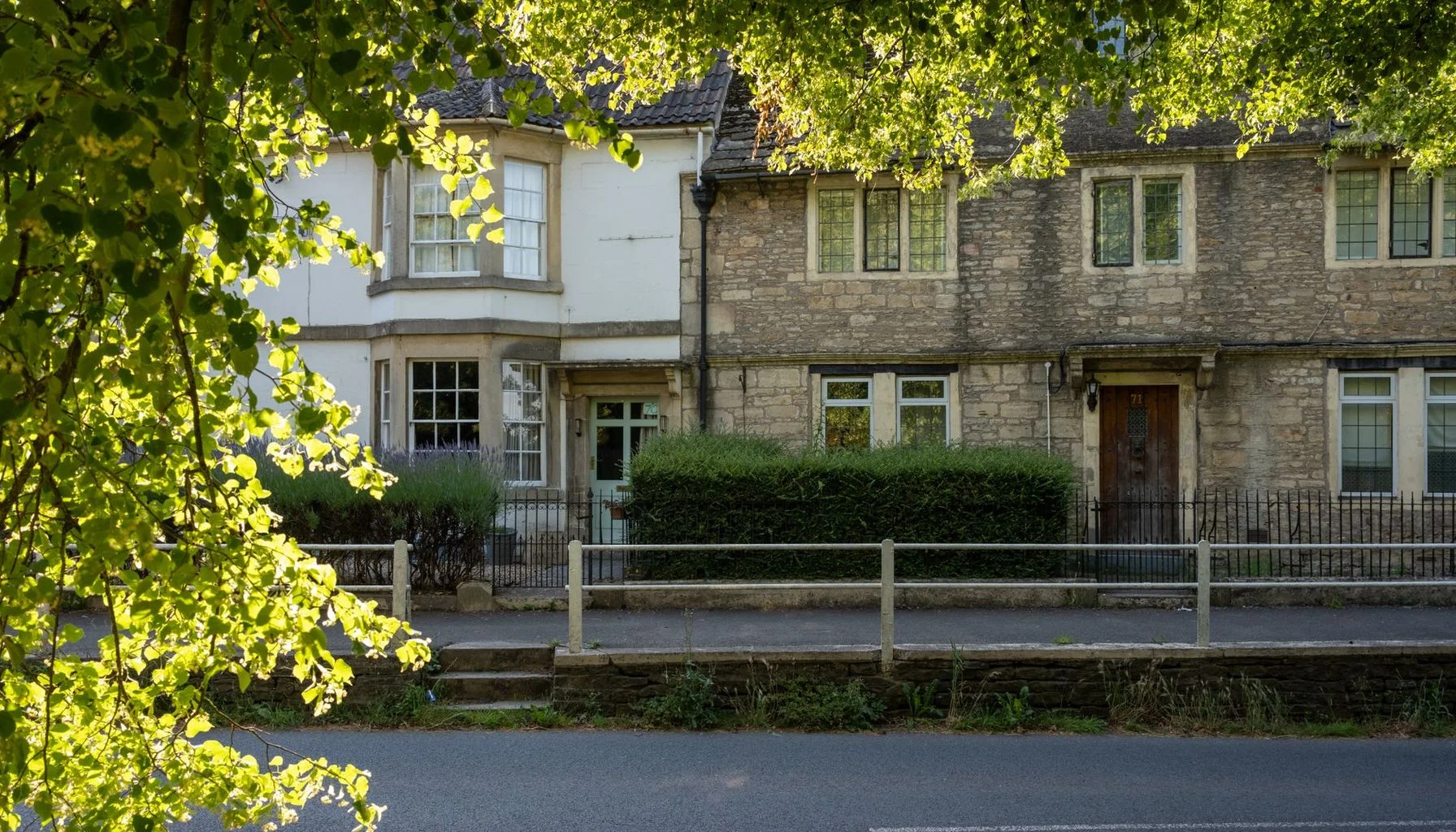
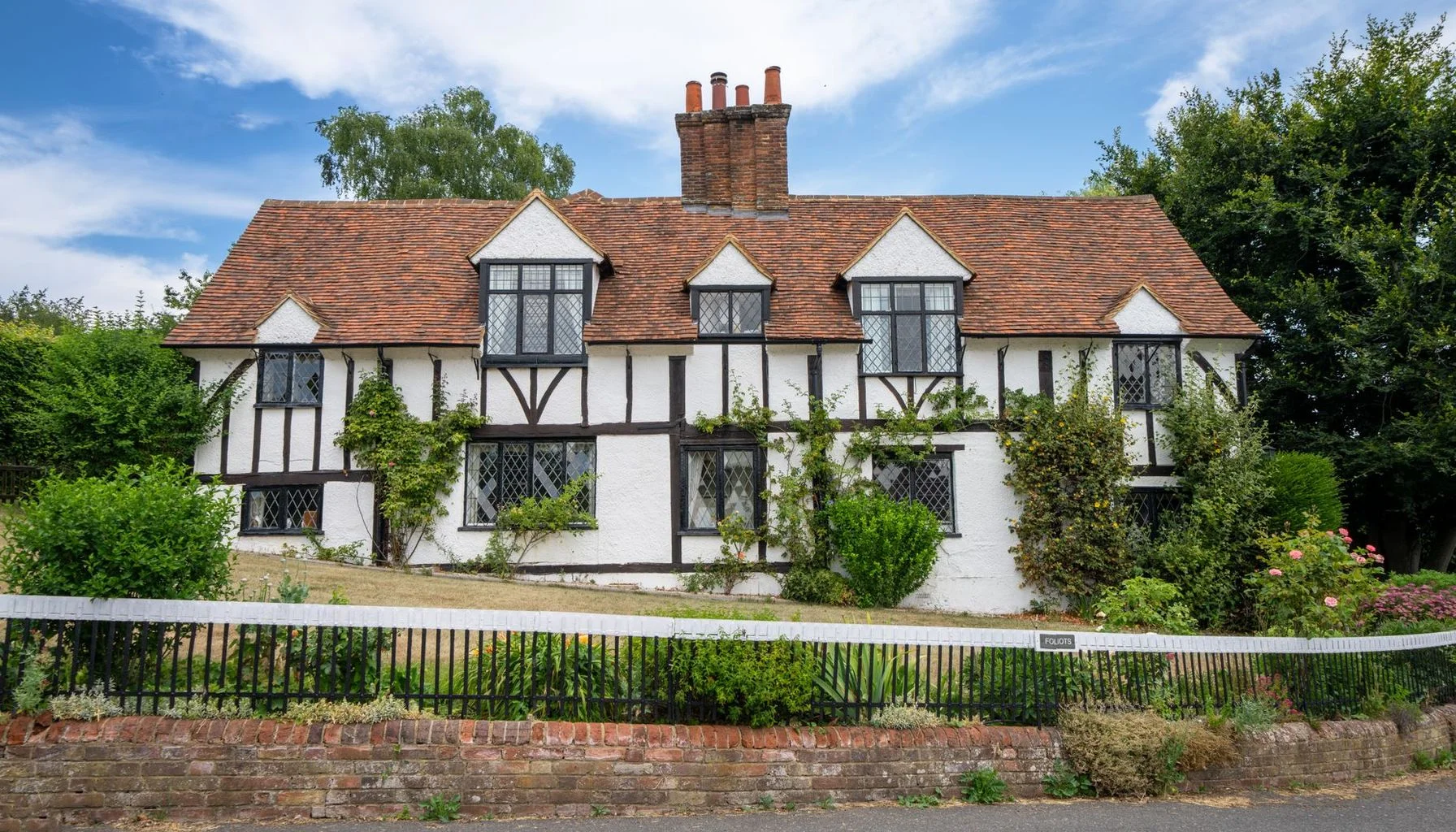
    According to findings from Together, approximately 6% of the UK’s 28 million residential properties struggle to meet traditional lending criteria. Factors leading to this classification include unconventional construction types, short lease lengths, and poor property conditions. Examples of such properties include thatched cottages, high-rise flats, and homes lacking essential amenities like functioning kitchens or bathrooms.

    Who Is Affected by This Situation?

    The implications of having over 1.5 million unmortgageable homes extend to various groups, including first-time buyers, landlords, and investors. Many buyers are drawn to these properties due to perceived value, with 44% believing they offer better value for money compared to traditional homes. Additionally, 31% of potential buyers are motivated by the chance to renovate or restore these properties, while 28% aim to add value before selling them for profit.

    What This Means for the Mortgage Market

    For buyers considering unmortgageable properties, the market can be both challenging and rewarding. While 21% of respondents reported having their mortgage applications rejected, nearly a third faced a limited pool of lenders willing to consider their applications. However, the lower purchase prices of these properties can be appealing, particularly for first-time buyers, with 32% citing this as their main attraction. For buy-to-let investors, 35% are enticed by the potential for rental income.

    Despite the risks, 31% of buyers find the risk-to-reward ratio appealing, indicating a willingness to navigate the complexities of purchasing these properties. This trend suggests a growing market for alternative financing options, as buyers look for ways to invest in properties that mainstream lenders may overlook.

    What Should Brokers and Lenders Consider?

    Brokers and lenders must adapt to the realities of the unmortgageable property market. Understanding the unique challenges faced by buyers of these properties is essential. With a significant number of potential clients seeking alternative financing solutions, lenders may need to develop tailored products that cater to this segment. Additionally, brokers should be prepared to guide buyers through the complexities of purchasing properties that do not meet standard mortgage criteria.

    Frequently Asked Questions

    What types of properties are considered unmortgageable?

    Properties deemed unmortgageable often include those with unconventional construction types, short lease lengths, or significant condition issues, such as thatched cottages and high-rise flats lacking essential amenities.

    How can buyers finance unmortgageable properties?

    Buyers interested in unmortgageable properties may explore alternative financing options, such as specialist lenders or renovation loans, which cater to properties that do not meet traditional mortgage criteria.

  • July House Price Growth Slows: Impact on Mortgage Market

    July House Price Growth Slows: Impact on Mortgage Market

    The latest data from Nationwide reveals that house price growth in the UK has decelerated, reflecting ongoing economic uncertainty. In July, annual house price growth fell to 1.8%, down from 2.2% in June, indicating a cooling market that could influence mortgage decisions for borrowers and investors alike.

    TL;DR: Annual house price growth slowed to 1.8% in July; this trend may affect mortgage rates and housing supply, impacting borrowers and investors.

    Why Did House Price Growth Slow?

    Nationwide’s House Price Index indicates that the housing market is experiencing subdued activity, attributed to various economic factors. Geopolitical tensions, particularly the ongoing conflict between Iran and the US, have contributed to rising energy prices and market interest rates. This volatility is reflected in financial market expectations regarding the future trajectory of the Bank Rate, which has seen fluctuations due to inflationary pressures from both domestic and international events.

    What Are the Current House Prices?

    The average house price in the UK reached £277,542 in July, a slight increase from £277,484 in June. This marginal rise of 0.1% on a seasonally adjusted monthly basis follows a period of largely flat growth. The data suggests that while prices are not declining, the growth rate is slowing, which may indicate a more cautious approach from potential buyers and lenders.

    What This Means for the Mortgage Market

    For borrowers, the slowdown in house price growth may present both challenges and opportunities. With prices stabilising, those looking to enter the market might find it less competitive than in previous months, potentially allowing for better negotiation on purchase prices. However, the uncertainty surrounding interest rates could complicate mortgage planning. The Bank of England’s recent decision to maintain interest rates for the fifth consecutive meeting suggests a stabilising effect on borrowing costs, which may provide some reassurance to prospective homebuyers. Borrowers should consider checking current mortgage rates to find suitable options.

    How Long Are People Staying in Their Homes?

    Nationwide’s research highlights that homeowners are now spending an average of 14 years in the same property, with significant variations based on housing tenure. Homeowners who own outright typically remain in their homes for around 24 years, while private renters average just five years. This trend may indicate a more stable housing market, as fewer people are moving between tenures, suggesting a preference for long-term residence.

    Frequently Asked Questions

    How will the slowing house price growth affect mortgage rates?

    The slowing growth may lead to more stable mortgage rates, as lenders adjust to the changing market conditions. Borrowers should monitor mortgage rate comparisons to find competitive offers.

    What should investors watch for in the housing market?

    Investors should keep an eye on economic indicators, including interest rate changes and inflation trends, as these factors will influence property values and rental demand.

  • House Price Growth Slows: What It Means for Mortgages

    House Price Growth Slows: What It Means for Mortgages

    House price growth in the UK has significantly slowed in July, with the latest data showing a modest increase of just 0.1%. This slowdown follows a more robust 2.2% rise in June, indicating a shift in the housing market dynamics that could impact borrowers and investors alike.

    TL;DR: House prices rose by only 0.1% in July, with the average property now priced at £277,542; this slowdown may affect mortgage availability and competition among lenders.

    What is the current state of house prices?

    The average house price in the UK now stands at £277,542, reflecting a year-on-year increase of 1.8%. This is a notable decrease from the previous month’s growth rate, suggesting that the housing market is losing some of its earlier momentum. With stock levels reaching a 12-year high, the number of serious buyers has declined, which may further influence pricing and market activity.

    How do geopolitical tensions affect the housing market?

    Geopolitical tensions, particularly the ongoing conflict between Iran and the US, have contributed to rising energy prices and market interest rates. These external factors can create uncertainty in the housing market, affecting both buyer confidence and mortgage rates. As the Bank of England has opted to maintain interest rates at 3.75%, the interplay between these geopolitical issues and domestic economic conditions will be important for future mortgage pricing.

    What does this mean for borrowers and investors?

    For borrowers, the slowing house price growth may offer a more stable environment for securing mortgages, as lenders might have more room to compete on pricing if inflation continues to ease. However, the reduced buyer activity could lead to fewer options for those looking to purchase properties. Investors should remain vigilant, as the current market conditions could present both opportunities and challenges in terms of property valuation and rental yields.

    What should we watch for next in the mortgage market?

    As the housing market adjusts to these new dynamics, it will be important to monitor inflation trends and how they influence interest rates. If inflation continues to decline, lenders may respond by offering more competitive mortgage rates, potentially stimulating buyer interest. Additionally, the response of the Bank of England to ongoing economic pressures will be key in shaping the future market of mortgage lending.

    Frequently asked questions

    How can I calculate my potential mortgage payments?

    You can use a mortgage calculator to estimate your monthly payments based on the loan amount, interest rate, and term length.

    What types of mortgages are available for first-time buyers?

    First-time buyers can explore various options, including residential mortgages that may offer lower deposits and government schemes to assist with purchasing a home.

  • Key Updates in the UK Mortgage Market This Week

    Key Updates in the UK Mortgage Market This Week

    The UK mortgage market has seen significant developments this week, impacting borrowers, landlords, and investors alike. With the Prime Minister ruling out changes to stamp duty and Aldermore increasing its maximum loan-to-value ratio to 98%, these shifts could influence borrowing strategies and market dynamics.

    TL;DR: Aldermore has raised its maximum loan-to-value ratio to 98% for employed borrowers; this change could enhance access to mortgages for those with smaller deposits.

    What Did Burnham Say About Stamp Duty?

    Prime Minister Andy Burnham has confirmed that there will be no changes to stamp duty in the upcoming autumn Budget. This decision means that buyers can expect the current tax structure to remain in place, providing some certainty in a market already grappling with various challenges. For potential homebuyers, this means they should still budget for the existing stamp duty rates when planning their purchases.

    How Is Aldermore Changing Its Mortgage Offerings?

    Aldermore has revamped its residential mortgage proposition, now offering a maximum loan-to-value (LTV) of 98% for employed borrowers. This significant increase is designed to assist customers with complex financial situations, making it easier for first-time buyers and those with limited savings to secure a mortgage. The introduction of a five-tier product structure aims to cater to a wider range of customer needs, which could lead to more competitive options in the market.

    What Are the Latest Trends in the Mortgage Market?

    According to the Bank of England, net mortgage lending surged to £7.7 billion in June, more than doubling from the previous month. This uptick in lending, along with a slight increase in mortgage approvals for house purchases, suggests a rebound in buyer confidence. However, the average new mortgage rate has risen to 4.35%, indicating that while more borrowers are entering the market, they may face higher costs due to ongoing geopolitical uncertainties affecting funding rates. For current rates, check our current mortgage rates.

    What This Means for Borrowers and Investors

    For borrowers, the increase in Aldermore’s LTV ratio could open doors for those struggling to save for a deposit, particularly first-time buyers. However, with rising mortgage rates and the potential for further increases, it is important for borrowers to act quickly to secure competitive deals. Investors should also take note of the changing market, as the slowing annual house price growth of 1.3% and the ongoing decline in London’s property values may present both challenges and opportunities for investment strategies.

    Frequently Asked Questions

    What is the current maximum loan-to-value ratio for Aldermore mortgages?

    Aldermore has increased its maximum loan-to-value ratio to 98% for employed borrowers, allowing for greater access to mortgage financing.

    How are mortgage rates currently trending in the UK?

    Mortgage rates are on the rise, with the average new mortgage rate hitting 4.35%, reflecting increased costs due to geopolitical factors and market pressures.

  • 1.5 Million UK Homes Unmortgageable: Impact on Mortgage Market

    1.5 Million UK Homes Unmortgageable: Impact on Mortgage Market

    Recent research indicates that over 1.5 million homes in the UK are classified as ‘unmortgageable’ by mainstream lenders, significantly impacting the mortgage market. This situation arises from various factors including construction type, lease length, and property condition, which restrict many buyers from securing standard mortgage finance.

    TL;DR: More than 1.5 million UK homes are deemed unfit for standard mortgages, affecting 6% of residential properties; this limits financing options for many potential buyers.

    What Makes a Home Unmortgageable?

    Properties can be deemed unmortgageable for several reasons. Common examples include thatched cottages, high-rise flats, and homes situated near commercial premises. Additionally, properties lacking essential amenities like functioning kitchens or bathrooms often fall into this category. These factors contribute to lenders’ reluctance to finance such properties, leaving many buyers without traditional mortgage options.

    Who Is Affected by This Issue?

    The implications of having 1.5 million homes classified as unmortgageable extend to various groups, including first-time buyers, investors, and landlords. A significant portion of buyers—44%—believe that these properties offer better value compared to more conventional homes. Among those considering these properties, 31% are motivated by the opportunity to renovate or restore, while 28% aim to increase property value before selling for profit.

    What This Means for the Mortgage Market

    For prospective buyers and investors, the classification of homes as unmortgageable presents both challenges and opportunities. Many buyers are drawn to the lower purchase prices associated with these properties, with 28% citing this as their primary motivation. For buy-to-let investors, the prospect of rental income is a significant incentive, with 35% of respondents highlighting this as their main attraction.

    However, the challenges are evident; over 21% of respondents reported having mortgage applications rejected, and 32% found themselves with a limited pool of lenders willing to consider their applications. This situation underscores the need for buyers to be well-informed about the risks and rewards involved in pursuing unmortgageable properties.

    What Should Buyers Watch Next?

    As the mortgage market continues to evolve, potential buyers interested in unmortgageable properties should stay informed about changes in lending criteria and seek out alternative financing options. Engaging with specialist lenders or exploring renovation loans may provide viable pathways for securing funding. Additionally, understanding the local property market and assessing the potential for value appreciation will be important for making informed investment decisions.

    Frequently asked questions

    What types of properties are typically classified as unmortgageable?

    Properties such as thatched cottages, high-rise flats, and those lacking essential amenities like kitchens or bathrooms are often deemed unmortgageable by mainstream lenders.

    How can buyers secure financing for unmortgageable properties?

    Buyers can explore alternative financing options, such as specialist lenders or renovation loans, to secure funding for unmortgageable properties.

  • Paragon Cuts Buy-to-Let Rates: Key Updates for Landlords

    Paragon Cuts Buy-to-Let Rates: Key Updates for Landlords

    Paragon Bank has announced a reduction in rates across a selection of five-year fixed-rate buy-to-let mortgages. This move is significant for landlords as it reflects recent changes in swap rates, offering more competitive financing options.

    TL;DR: Paragon Bank has reduced rates on five-year fixed-rate buy-to-let mortgages, impacting landlords seeking better financing options; the refreshed range includes products for various LTVs and cashback offers.

    What Changes Have Been Made to Buy-to-Let Rates?

    The updated offering from Paragon includes various products available at different loan-to-value (LTV) ratios. The range features options designed for properties with varying energy performance certificate (EPC) ratings. Additionally, the refreshed products include options for houses in multiple occupation (HMOs) and multi-unit blocks (MUBs).

    Who Benefits from These Rate Cuts?

    This rate reduction primarily benefits landlords looking to finance their buy-to-let properties. The new product range includes options with nil-fee, percentage-fee, and fixed-fee structures, along with selected products offering cashback. This flexibility allows landlords to choose a mortgage that best fits their financial strategy.

    What This Means for Landlords

    For landlords, the reduction in rates could lead to significant savings over the term of the mortgage. With the introduction of competitive rates, particularly for environmentally friendly properties, landlords may find it easier to manage their cash flow and invest in energy-efficient upgrades. As the market adjusts, landlords should keep an eye on further rate movements and consider how these changes might impact their investment strategies.

    Frequently asked questions

    What are the new rates for buy-to-let mortgages?

    The new rates for five-year fixed-rate buy-to-let mortgages from Paragon include options for green mortgages and HMOs.

    How can landlords benefit from these rate cuts?

    Landlords can benefit from lower borrowing costs, flexible fee options, and potential cashback offers, making it easier to finance their properties.

  • Bank of England Holds Rates: Impact on Mortgage Market

    Bank of England Holds Rates: Impact on Mortgage Market

    The Bank of England has decided to maintain the base rate at 3.75%, signalling a cautious approach as it evaluates ongoing inflationary pressures and global economic conditions. This decision is significant for borrowers, brokers, and lenders, as it reflects the current economic climate and its potential impact on mortgage rates and housing market stability.

    TL;DR: The Bank of England’s base rate remains at 3.75%, providing temporary stability for borrowers; however, ongoing inflation and geopolitical tensions could influence future rate changes.

    Why Did the Bank of England Hold Rates?

    The Bank of England’s decision to keep the base rate unchanged comes as inflation has undershot forecasts for three consecutive months, recently easing to 2.6%. This indicates that the central bank is taking a measured approach, allowing it to monitor the effects of global events, particularly the ongoing conflict in the Middle East, on the UK economy. The decision was largely anticipated by market analysts, who noted that the current economic indicators did not necessitate an increase in rates at this time.

    How Does This Affect Mortgage Borrowers?

    For mortgage borrowers, the hold at 3.75% provides a brief respite from rising costs. However, it’s important to note that while the base rate remains stable, lenders are still adjusting their mortgage products in response to fluctuating swap rates. Recently, the average two-year fixed mortgage rate increased to 5.11%, up from 4.25% before the conflict escalated. This means that borrowers may still face higher costs when securing new fixed-rate deals, despite the Bank’s decision to hold rates.

    What This Means for Landlords and Investors

    Landlords and property investors should remain vigilant as the Bank’s decision may influence the housing market’s supply dynamics. Research indicates that an additional 260,000 homes could enter the market within a year if there is greater certainty regarding moving timelines. However, the ongoing financial pressures on households could dampen demand. Investors should also be aware that the current stability does not eliminate the risk of future rate increases, especially if inflationary pressures rise again due to external factors, such as energy costs.

    What Should Brokers and Lenders Watch Next?

    Brokers and lenders are advised to keep a close eye on upcoming economic indicators and the potential for changes in energy prices, which could lead to a rise in inflation towards 3.5% later this year. The Monetary Policy Committee will need to assess how these factors influence wages and consumer prices before making any further decisions regarding the base rate. The next scheduled meeting in November may be pivotal for determining the trajectory of interest rates.

    Frequently asked questions

    Will mortgage rates continue to rise despite the hold?

    Yes, while the Bank of England has held the base rate steady, lenders are still adjusting their mortgage products based on swap rates and funding costs, which may lead to higher mortgage rates.

    How does the geopolitical situation impact UK mortgage rates?

    The ongoing geopolitical tensions, particularly in the Middle East, can create volatility in the financial markets, affecting swap rates and, consequently, mortgage pricing for borrowers.

  • Property Professionals Share Insights on July House Prices

    Property Professionals Share Insights on July House Prices

    The latest insights from property professionals reveal a modest rise in house prices and ongoing challenges for buyers in the UK property market. July saw house prices increase by just 0.1%, with annual growth slowing to 1.8%. This stagnation reflects broader economic uncertainties, particularly rising mortgage rates and geopolitical tensions.

    TL;DR: House prices rose by only 0.1% in July, with annual growth at 1.8%; rising mortgage rates and geopolitical tensions are impacting buyer confidence.

    What Do the Latest House Price Figures Indicate?

    According to the Nationwide House Price Index, the average property price in the UK now stands at £277,542. The slight increase of 0.1% in July follows a more robust growth of 2.2% in June, indicating a slowdown in the housing market. This trend is significant for potential buyers and investors, as it suggests a more cautious approach to property transactions.

    How Are Mortgage Approvals and Rates Affecting Buyers?

    In June, net mortgage approvals rose slightly to 58,200, although this figure remains below the six-month average. The Bank of England’s recent decision to maintain the base interest rate at 3.75% aims to provide stability amidst rising mortgage rates. However, affordability remains a pressing concern for many buyers, particularly as rates have begun to increase again in recent weeks.

    Property Professionals Share Insights on Market Trends

    For buyers, the current market conditions necessitate a careful approach. The flat property prices suggest that while there may be opportunities for negotiation, the rising mortgage rates could limit affordability. Investors should remain vigilant, as the ongoing geopolitical tensions, particularly the conflict in the Middle East, may continue to influence market dynamics and interest rates. The Bank of England’s steady approach to interest rates, combined with June’s lower inflation figures, is expected to help inspire confidence among borrowers and lenders.

    What Are the Predictions for the Housing Market Moving Forward?

    Looking ahead, the housing market is expected to face challenges, especially with the upcoming school year potentially igniting a new house-hunting season. Property professionals note that while the market is currently resilient, the true test will come in September. The balance between supply and demand, alongside the impact of rising mortgage rates, will be critical in shaping future trends. For those considering a move, using a mortgage calculator can help assess affordability in this changing environment.

    Frequently Asked Questions

    What should buyers consider in the current market?

    Buyers should focus on affordability, as rising mortgage rates may affect their purchasing power. Negotiating on price could be beneficial given the current flat property values.

    How do geopolitical tensions impact the housing market?

    Geopolitical tensions can lead to volatility in interest rates and inflation, affecting buyer confidence and mortgage affordability. This can slow down market activity and influence property prices.

  • Newcastle BS Sees 9% Rise in Mortgage Lending Amid Market Pressures

    Newcastle BS Sees 9% Rise in Mortgage Lending Amid Market Pressures

    Newcastle Building Society has reported a notable 9% increase in mortgage lending, reaching £623 million despite facing pressure on profit margins. This growth is significant for the mortgage market, particularly for borrowers and brokers navigating an uncertain economic environment.

    TL;DR: Newcastle Building Society’s mortgage lending rose to £623 million, a 9% increase; this reflects improved customer retention and a focus on borrower value amid economic challenges.

    How Did Newcastle BS Improve Customer Retention?

    The mutual lender has successfully improved its customer retention rates, with 80% of mortgage maturities being retained in the first half of the year, up from 64% the previous year. This increase indicates a stronger relationship with existing borrowers, which is important in a competitive mortgage market. The enhanced retention rate suggests that borrowers are finding value in staying with Newcastle BS, which may be an attractive option for those considering remortgaging or looking for new deals.

    What Are the Financial Implications for Newcastle BS?

    Despite the rise in lending, Newcastle BS experienced a decline in net interest income, falling from £51 million to £48.3 million. This decrease, alongside a reduction in the net interest margin from 1.57% to 1.35%, has impacted the underlying operating profit, which dropped from £15.9 million to £14.9 million. These figures highlight the challenges faced by lenders in maintaining profitability while offering competitive rates in the current mortgage market.

    What This Means for Borrowers and Investors

    For borrowers, the increase in lending and improved retention rates suggest that lenders like Newcastle BS are committed to providing value, even in a challenging environment. Borrowers with existing mortgages may benefit from competitive remortgage options as lenders strive to retain their clientele. Investors should note that Newcastle BS’s mortgage portfolio remains predominantly residential, with £5.3 billion in prime residential lending. This focus could signal a stable investment opportunity in the residential sector, especially as the society anticipates a slight decline in UK house prices in the coming years.

    What Are the Current Trends in the Mortgage Market?

    Newcastle BS’s performance reflects broader trends in the mortgage market, where lenders are adapting to economic uncertainties. The society’s weighted economic scenario predicts a 0.8% drop in UK house prices in 2026, followed by a further 1.8% decrease in 2027 before a return to growth in 2028. Borrowers should stay informed about these trends, as they may influence mortgage rates and lending criteria moving forward. Additionally, the proportion of mortgages with loan-to-value ratios above 90% rose to 9.3%, indicating that more borrowers are taking on higher debt relative to their property values, which could affect lending risks.

    Frequently Asked Questions

    What should borrowers consider when remortgaging?

    Borrowers should evaluate their current mortgage terms, compare current mortgage rates, and consider their financial situation to determine if remortgaging is beneficial.

    How can investors assess the stability of a mortgage lender?

    Investors can assess a lender’s stability by reviewing their financial performance, customer retention rates, and the overall health of their mortgage portfolio.

  • July House Price Growth Slows in the Mortgage Market

    July House Price Growth Slows in the Mortgage Market

    House price growth in the UK has slowed in July, reflecting a subdued housing market amid ongoing economic uncertainty. According to the latest data from Nationwide, annual house price growth decreased to 1.8% in July, down from 2.2% in June. The average UK house price now stands at £277,542, a slight increase from £277,484 in the previous month. This shift signals potential challenges for borrowers and investors in the mortgage market.

    TL;DR: Annual house price growth fell to 1.8% in July, indicating a cooling housing market; this impacts borrowers and investors as economic uncertainty persists.

    What Factors Are Influencing House Prices?

    The current slowdown in house price growth can be attributed to several factors, including geopolitical tensions and fluctuating energy prices. The ongoing conflict between Iran and the US has contributed to rising energy costs, which in turn affects market interest rates. Additionally, financial market expectations regarding the Bank of England’s interest rate trajectory have shown volatility, influenced by inflationary pressures both domestically and internationally.

    How Long Are People Staying in Their Homes?

    Nationwide’s analysis reveals that homeowners are now spending an average of 14 years in the same property. This figure varies significantly based on housing tenure: those who own their homes outright typically remain for around 24 years, while private renters tend to stay for about five years. This trend indicates a potential stagnation in the housing market, as fewer people are moving between tenures.

    What This Means for the Mortgage Market

    For borrowers, the slowing growth in house prices may suggest a more cautious approach to purchasing property. With the Bank of England holding interest rates steady for the fifth consecutive meeting, the mortgage market remains relatively stable. However, potential buyers should remain vigilant as economic uncertainties could influence future borrowing costs. Investors may also need to reassess their strategies, particularly if the trend of prolonged homeownership continues, which could limit the availability of properties for investment.

    Frequently Asked Questions

    What should borrowers consider in the current market?

    Borrowers should evaluate their financial stability and consider the implications of potential interest rate changes. It’s advisable to stay informed about current mortgage rates and seek professional advice when necessary.

    How can investors adapt to the changing housing market?

    Investors may need to adjust their strategies by focusing on long-term rental properties or exploring opportunities in emerging markets. Staying updated on market trends and economic indicators will be important for making informed decisions.