Tag: timber properties

  • Can You Get a Mortgage on a Timber-Built Property?

    Can You Get a Mortgage on a Timber-Built Property?

    Timber-built properties can present unique challenges when seeking a mortgage. While it is possible to secure financing for these homes, the options may be limited depending on the construction type, which can affect interest rates and lender preferences.

    TL;DR: Mortgages for timber-built properties are available but often require larger deposits and may involve specialist lenders; borrowers should consult brokers familiar with non-standard constructions.

    What Types of Timber Construction Affect Mortgage Options?

    Timber properties come in various forms, and lenders categorize them based on construction type. Fully timber homes, such as log cabins, may face more scrutiny than those built with timber frames like Swedish chalets or kit homes. These latter constructions are often classified as ‘non-standard construction,’ which can limit lender options.

    Why Are Lenders Cautious About Timber-Built Properties?

    Lenders have specific concerns when it comes to timber-built homes, including:

    • Fire Risk: Timber can be more susceptible to fire damage compared to traditional brick or stone.
    • Durability & Lifespan: The long-term stability of timber structures can be questioned, impacting the property’s value.
    • Resale Value: If the property is repossessed, selling a timber home may be more challenging, affecting lender confidence.
    • Maintenance Requirements: Timber properties often require more upkeep, which can deter potential buyers.

    What This Means for Borrowers and Investors

    For those looking to buy a timber-built property, understanding the mortgage market is essential. High street lenders may not offer standard rates for these homes, and borrowers may need to turn to building societies or specialist lenders who have more flexible underwriting criteria. Factors such as the surveyor’s report, the specific construction type, location, and the borrower’s financial profile will all play a role in the mortgage assessment process.

    Engaging with a broker who has access to a wider range of lenders can provide a better chance of securing a mortgage on a timber property. They can help navigate the complexities of non-standard constructions and ensure that all necessary documentation, including the surveyor’s report, is in order.

    Frequently Asked Questions

    Can I get a mortgage on a log cabin?

    Yes, but securing a mortgage on a log cabin can be more challenging due to its classification as a fully timber property. You may need to seek out specialist lenders.

    What factors will lenders consider for timber properties?

    Lenders will assess the construction type, fire risk, resale value, maintenance needs, and the borrower’s financial situation, including deposit size.
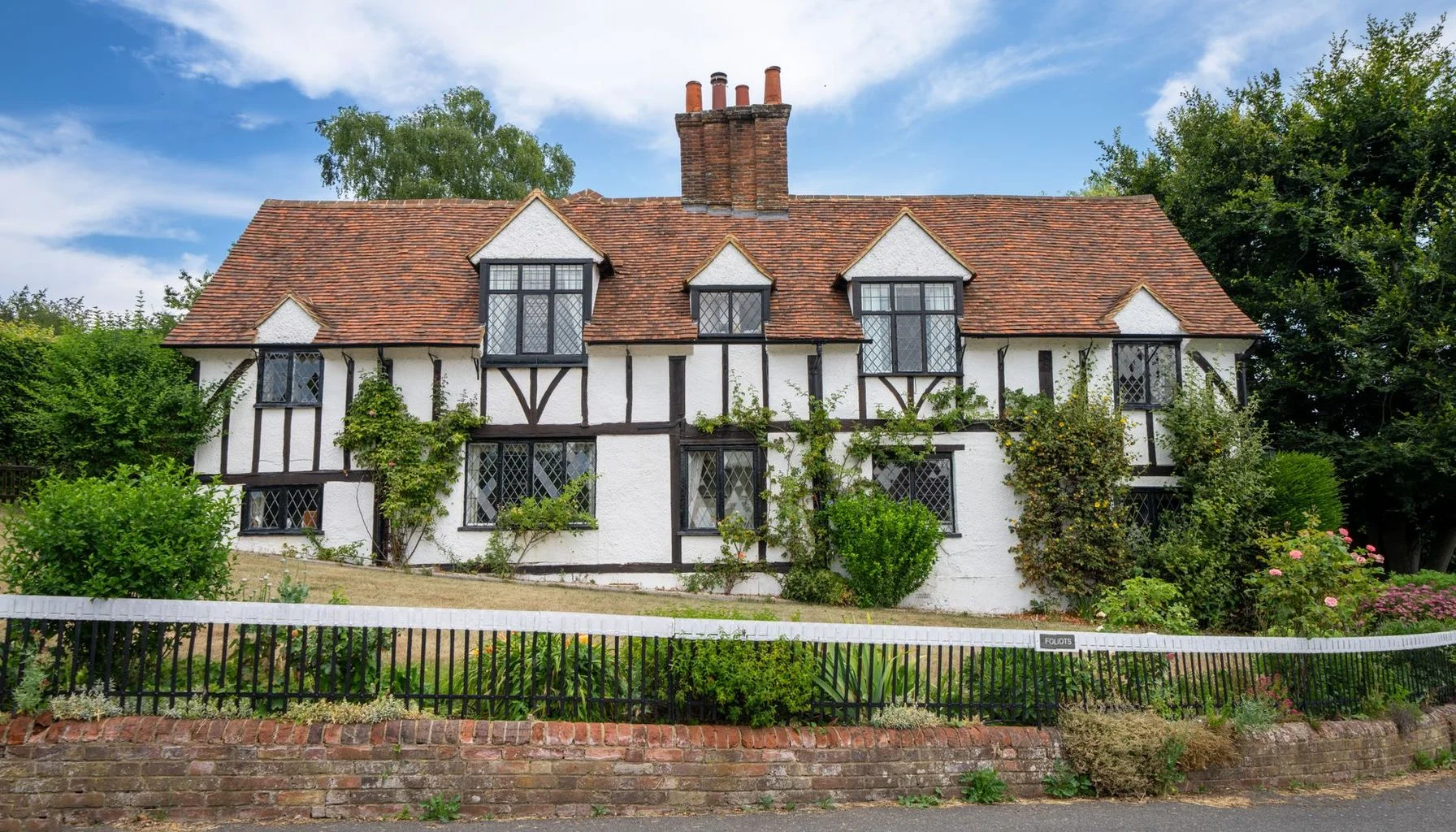
  • Mortgages for Timber-Built Properties: What You Need to Know

    Mortgages for Timber-Built Properties: What You Need to Know

    Obtaining a mortgage on a timber-built property can be challenging, as lenders often have specific concerns regarding these types of constructions. Understanding the nuances of timber properties is essential for potential borrowers and investors.

    TL;DR: Mortgages on timber-built properties are possible but often come with restrictions; fully timber constructions like log cabins face more difficulty in securing standard rates.

    Can You Get a Mortgage on a Timber-Built Property?

    Yes, it is possible to secure a mortgage on a timber-built property, but the options may be limited depending on the construction type. Fully timber homes, such as log cabins, are generally harder to finance compared to properties like Swedish timber or chalet-style homes, which fall under the category of ‘non-standard construction’.

    What Do Lenders Consider?

    Lenders assess several factors when considering a mortgage for timber-built properties:

    • Fire Risk: Timber is more susceptible to fire, which raises concerns for lenders.
    • Durability & Lifespan: The longevity of timber structures can vary, affecting lender confidence.
    • Resale Value: Non-standard constructions may be harder to sell, especially if repossessed.
    • Maintenance Requirements: Timber properties may require more upkeep, influencing lender decisions.

    What This Means for Borrowers

    For borrowers interested in timber-built properties, it is important to understand that high street lenders may not offer standard rates. Instead, you might need to approach building societies or specialist lenders who have more flexible underwriting criteria. Additionally, a larger deposit may be required, and the outcome will heavily depend on the surveyor’s report, the specific construction type, and your financial profile.

    What Should You Do Next?

    If you’re considering purchasing a timber-built property, it’s advisable to consult with a mortgage broker who has access to a wider range of lenders. They can help review your financial situation and the specifics of the property to provide tailored advice. This proactive approach can help you navigate the complexities of securing a mortgage on a non-standard construction.

    Frequently asked questions

    Can I get a mortgage for a log cabin?

    Securing a mortgage for a log cabin can be more difficult due to its classification as a fully timber-built property. You may need to seek specialist lenders.

    What factors influence mortgage approval for timber properties?

    Lenders consider fire risk, durability, resale value, maintenance needs, and the surveyor’s report when assessing mortgage applications for timber properties.

  • Getting a Mortgage on Timber-Built Properties

    Getting a Mortgage on Timber-Built Properties

    Obtaining a mortgage for a timber-built property can be challenging, as lenders often impose stricter criteria due to the construction type. Understanding these requirements is essential for potential buyers and investors.

    TL;DR: Mortgages for timber-built properties are available but often require larger deposits and specialist lenders; this affects buyers of log cabins and similar constructions.

    Can You Get a Mortgage on Timber-Built Properties?

    Yes, you can secure a mortgage on a timber-built property, but the options are more limited compared to traditional brick-and-mortar homes. Fully timber constructions, such as log cabins, face greater scrutiny from lenders. Properties classified as ‘non-standard construction’, including Swedish timber homes and chalet-style properties, may also encounter difficulties due to lender apprehensions about fire risk, durability, and resale value.

    What Factors Influence Mortgage Approval?

    When assessing timber-built properties, lenders consider several factors:

    • Fire risk associated with timber materials
    • Durability and expected lifespan of the construction
    • Resale value, particularly if the property needs to be sold following repossession
    • Maintenance requirements and associated costs

    These considerations can lead to higher deposit requirements and the need for a specialist lender, as high street banks may not offer standard rates for these types of properties.

    What This Means for Buyers and Investors

    For individuals looking to purchase a timber-built home, it is advisable to consult with a mortgage broker who has access to a wider range of lenders, including building societies that may offer more flexible underwriting. A surveyor’s report is also critical in this process, as it can provide insights into the construction type and potential issues that may affect mortgage approval. You may also want to check residential mortgages for better options.

    Frequently Asked Questions

    Are all timber-built properties difficult to finance?

    Not all timber-built properties are difficult to finance, but fully timber constructions often face more restrictions. Non-standard constructions may require a larger deposit and specialist lenders.

    What should I do if my mortgage broker has limited options?

    If your broker has a limited panel of lenders, consider seeking a second opinion from another broker who can explore the specialist lending market and assess your specific circumstances.