Tag: specialist lenders

  • Over 1.5 Million UK Homes Classified as Unmortgageable

    Over 1.5 Million UK Homes Classified as Unmortgageable

    Recent research reveals that over 1.5 million homes in the UK may be deemed ‘unmortgageable’ by mainstream lenders, significantly impacting potential buyers and investors. This situation arises from specific property characteristics that fail to meet the lending criteria of many high street banks.

    TL;DR: More than 1.5 million UK homes are considered ‘unmortgageable’ due to factors like thatched roofs and short leases; this affects buyers and investors seeking alternative properties.

    What Makes a Property Unmortgageable?

    According to the findings, around 6% of the UK’s 28 million residential properties are classified as unmortgageable. Key factors include thatched roofs, short leases, solid-wall construction, high-rise locations, proximity to commercial premises, and the absence of essential amenities like kitchens or bathrooms. Such characteristics often deter mainstream lenders from providing financing.

    Why Are Buyers Interested in These Properties?

    Despite the challenges, many buyers are drawn to properties that fall outside standard lending criteria. Approximately 44% of those who have considered such properties believe they offer better value than conventional homes. Additionally, 31% are looking for renovation projects, while 28% see these homes as opportunities to increase value before resale. The lower purchase price also attracts buyers, with 28% citing it as a significant incentive. For buy-to-let investors, 35% are motivated by the potential for rental income.

    What This Means for Buyers and Investors

    For prospective buyers and investors, the classification of over 1.5 million homes as unmortgageable presents both challenges and opportunities. Many buyers may face mortgage application rejections, with 21% reporting such experiences. Furthermore, 32% noted a limited choice of lenders willing to consider their applications. This trend necessitates a more thorough understanding of alternative financing options, such as specialist lenders who may be more open to unconventional properties.

    Frequently Asked Questions

    What should I do if my mortgage application is rejected?

    If your mortgage application is rejected, consider consulting with a mortgage broker who can help identify lenders that specialize in unconventional properties.

    Are there alternative financing options for unmortgageable homes?

    Yes, specialist lenders often provide financing for properties that do not meet the criteria of mainstream banks, making them a viable option for buyers interested in unmortgageable homes.

  • Understanding Mortgages for Timber-Built Properties

    Understanding Mortgages for Timber-Built Properties

    Obtaining a mortgage for a timber-built property can be challenging, but it is possible. The type of timber construction plays a significant role in determining mortgage availability and terms, which is important for prospective buyers and investors.

    TL;DR: Mortgages for timber-built properties exist but are often limited; fully timber structures may require larger deposits and specialist lenders.

    Can You Get a Mortgage on a Timber-Built Property?

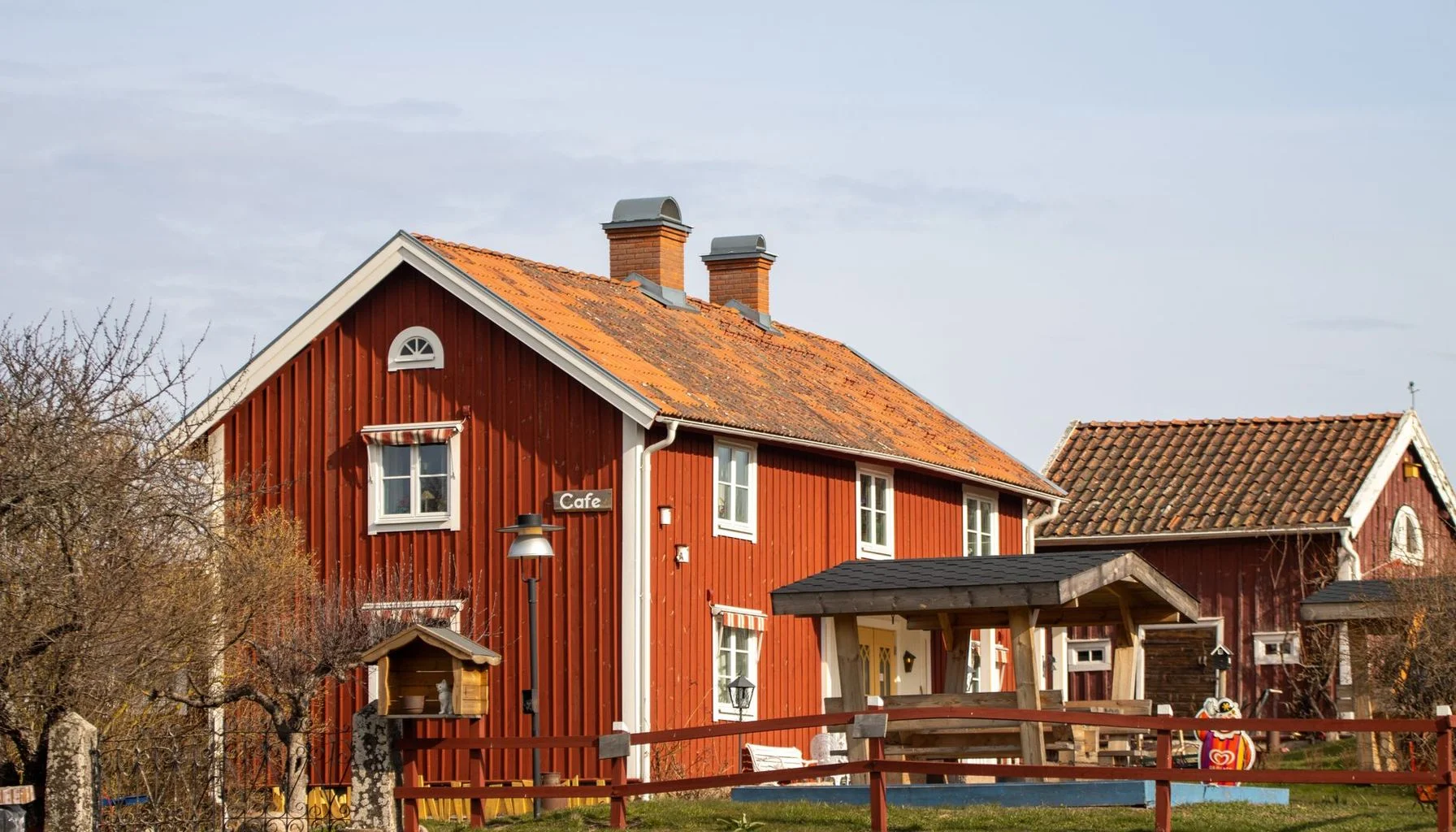
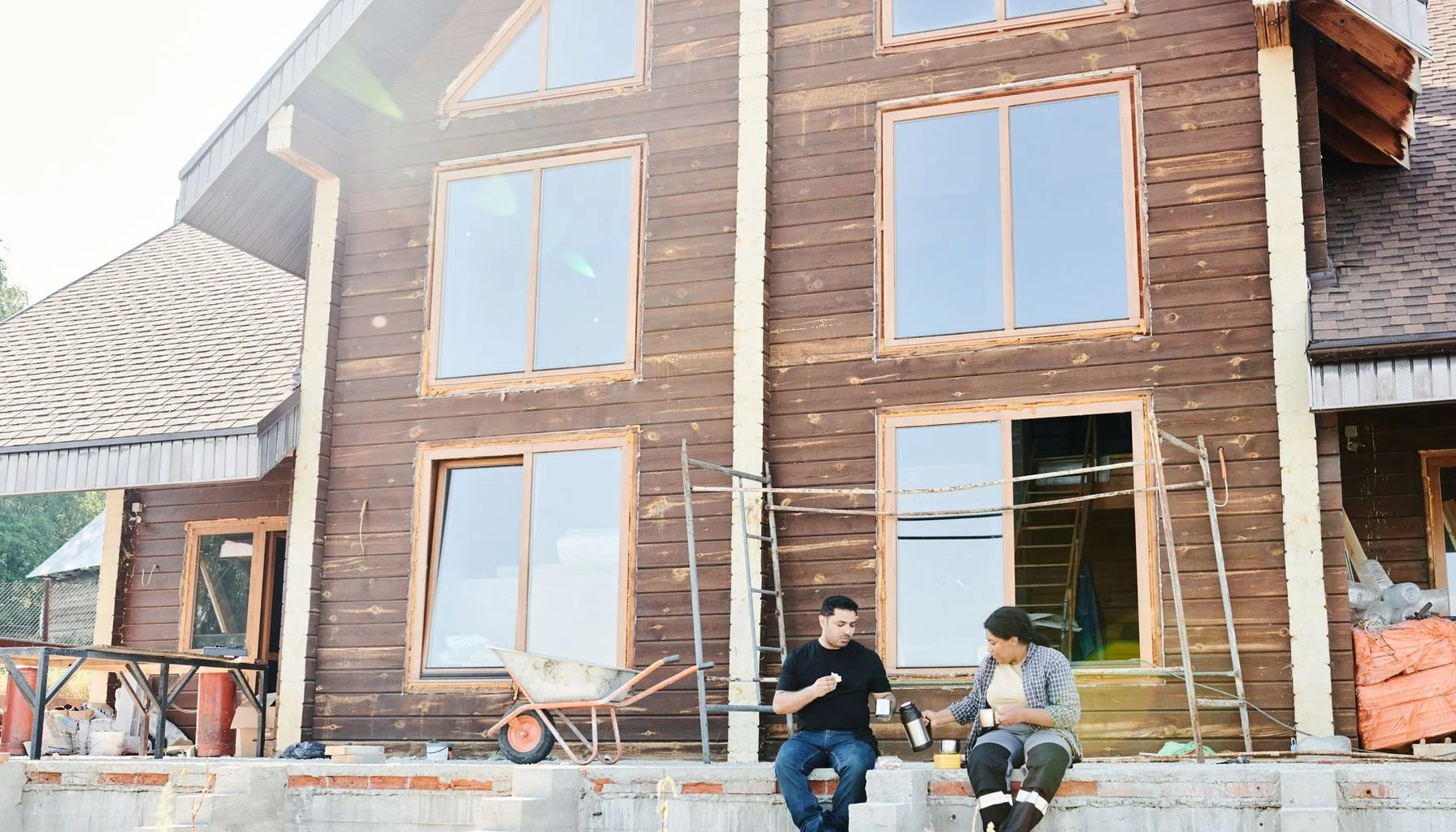
    Yes, you can secure a mortgage on a timber-built property, but the options are more restricted compared to traditional brick-and-mortar homes. Fully timber constructions, such as log cabins, face greater scrutiny from lenders. Properties classified as ‘non-standard construction,’ which includes Swedish timber and chalet-style homes, may also be harder to finance.

    What Do Lenders Consider?

    When evaluating timber-built properties, lenders assess several factors:

    • Fire Risk: Timber properties may pose higher fire hazards compared to conventional builds.
    • Durability & Lifespan: The long-term viability of timber structures can affect lender confidence.
    • Resale Value: Properties that are harder to sell if repossessed can be a concern for lenders.
    • Maintenance Requirements: The upkeep of timber properties may influence lending decisions.

    What This Means for Borrowers and Investors

    For borrowers looking to purchase a timber-built home, the mortgage process may require a larger deposit and could involve higher interest rates. High street lenders often shy away from such properties, making it essential to consult with building societies or specialist lenders who have more flexible underwriting criteria. Engaging a knowledgeable mortgage broker can help navigate the limited options available and provide access to a wider range of lenders.

    Frequently Asked Questions

    What types of timber constructions are more likely to get approved?

    Properties like Swedish timber homes or chalet-style constructions may be more accepted than fully timber structures like log cabins, but they still fall under non-standard construction.

    Do I need a surveyor’s report for a timber-built property mortgage?

    Yes, a surveyor’s report is critical as it provides detailed insights into the property’s condition, which lenders will heavily rely on during the assessment process.

  • Can You Get a Mortgage After Gambling Issues?

    Can You Get a Mortgage After Gambling Issues?

    Securing a mortgage can be a daunting task, especially for those with a history of gambling. However, recent insights reveal that many lenders are willing to consider applications from individuals with gambling-related issues, often looking beyond recent defaults to assess the overall financial picture.

    TL;DR: Many lenders are open to mortgage applications from individuals with gambling histories; specialist lenders often consider the broader financial context rather than just defaults.

    How Do Lenders View Gambling History in Mortgage Applications?

    When applying for a mortgage, lenders typically assess the applicant’s credit history, including any defaults or adverse credit events. For those with gambling issues, this can raise concerns about financial stability. However, not all lenders take a rigid approach. Some high street lenders may decline applications based solely on recent defaults, but many others, particularly specialist lenders, are more understanding. They recognise that life circumstances can lead to financial difficulties and are willing to look at the bigger picture.

    What Are Your Options If You’ve Had Gambling Issues?

    For borrowers with a gambling history, it’s essential to know that options are available. Specialist lenders are often more flexible and can provide mortgages tailored to individuals who may not meet the strict criteria of mainstream lenders. These lenders typically assess your current financial situation, including income, existing debts, and overall creditworthiness, rather than focusing solely on past gambling activities.

    What This Means for Borrowers Seeking a Mortgage

    For borrowers with a gambling history, the key takeaway is that securing a mortgage is still possible. While some lenders may have strict policies, many are willing to consider individual circumstances. This is particularly important for those looking to buy their first home or remortgage. Engaging with a mortgage broker who understands the market can help navigate these options effectively, ensuring that you find a lender that aligns with your financial situation. You may also want to explore residential mortgages that cater to various financial backgrounds.

    What Should You Watch Next in the Mortgage Market?

    As the mortgage market continues to evolve, it’s important to stay informed about changes in lender policies regarding applicants with gambling histories. Keep an eye on trends in the lending market, as more lenders may begin to adopt flexible approaches. Additionally, consider consulting with mortgage professionals who specialise in adverse credit situations to explore the best options available to you.

    Frequently asked questions

    Can I get a mortgage if I have a gambling addiction?

    Yes, many lenders, especially specialist ones, consider the overall financial situation rather than just past gambling issues, making it possible to secure a mortgage.

    What should I do if my mortgage application is declined due to gambling?

    If your application is declined, consider consulting a mortgage broker who can help you find lenders that are more flexible and willing to work with your financial history.