Tag: property

  • Over 1.5 Million UK Homes Considered Unmortgageable

    Over 1.5 Million UK Homes Considered Unmortgageable

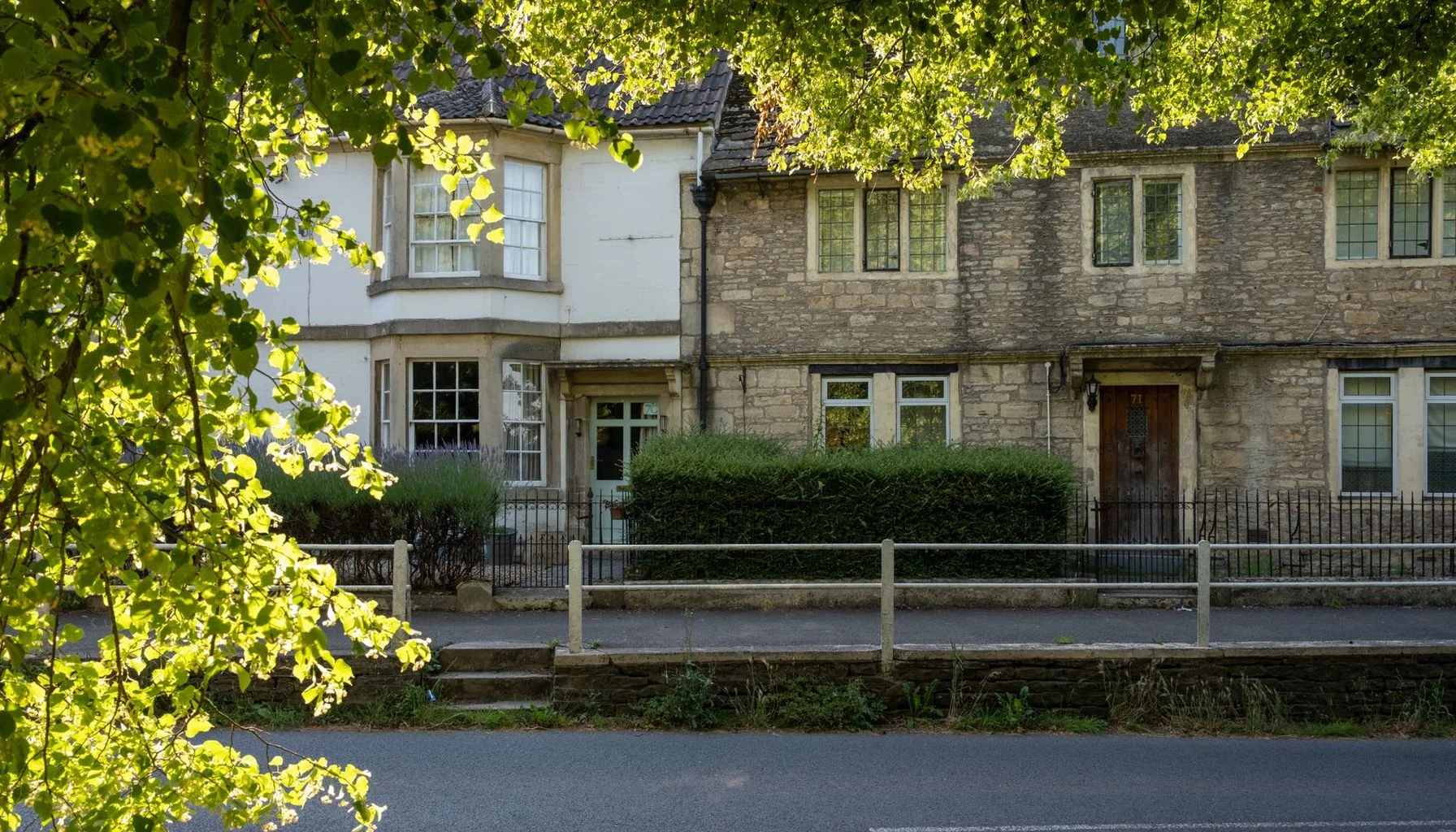
    Recent research from specialist lender Together reveals that over 1.5 million homes in the UK may be deemed “unmortgageable” by mainstream lenders. This situation arises from various factors that fall outside the typical lending criteria of high street banks, significantly impacting potential buyers and investors.

    TL;DR: More than 1.5 million homes in the UK are classified as “unmortgageable” due to issues like short leases and structural concerns; this limits options for buyers and investors seeking properties outside standard criteria.

    What Makes a Home Unmortgageable?

    According to Together’s findings, approximately 6% of the UK’s 28 million residential properties are considered unfit for standard mortgage applications. Key factors contributing to this classification include thatched roofs, short leases, solid-wall construction, high-rise locations, and proximity to commercial premises. Additionally, properties lacking essential amenities like a functioning kitchen or bathroom are also affected.

    Who is Affected by This Classification?

    The implications of these findings extend to various groups, including first-time buyers, landlords, and property investors. Among those who have considered purchasing such properties, 44% believe these homes offer better value compared to conventional options. Furthermore, 31% are interested in renovation projects, while 28% view these properties as opportunities to increase value before resale.

    What This Means for Buyers and Investors

    For potential buyers, the classification of homes as unmortgageable can significantly narrow their choices. Over a quarter of prospective buyers (28%) cited lower purchase prices as a primary incentive for pursuing these properties. However, 21% of buyers have faced mortgage application rejections, and 32% reported limited lender options willing to consider their applications. This trend may create challenges for those looking to enter the property market, particularly in areas with a high concentration of such homes.

    Frequently Asked Questions

    What should I do if my mortgage application is rejected?

    If your mortgage application is rejected, consider seeking advice from a mortgage broker who can help identify lenders that may be more flexible with their criteria.

    Are there alternative financing options for unmortgageable properties?

    Yes, alternative financing options such as bridging loans or specialist lenders may be available for properties that do not meet standard mortgage criteria.

  • Over 1.5 Million UK Homes Are Unmortgageable

    Over 1.5 Million UK Homes Are Unmortgageable

    New research indicates that over 1.5 million homes in the UK are deemed “unmortgageable” by mainstream lenders, significantly impacting potential buyers and investors. This situation arises from various factors that fall outside the typical lending criteria of high street banks.

    TL;DR: More than 1.5 million UK homes are classified as “unmortgageable” due to factors like construction type and property condition; this affects buyers seeking affordable options and investment opportunities.

    What Makes a Home Unmortgageable?

    According to the findings, approximately 6% of the UK’s 28 million residential properties are considered unfinanceable by mainstream lenders. Key factors include thatched roofs, short leases, solid-wall construction, high-rise locations, proximity to commercial premises, and the absence of essential amenities like kitchens or bathrooms. These characteristics often lead to rejection from standard mortgage applications.

    Who Is Affected by This Issue?

    Potential buyers who are interested in properties that do not meet standard lending criteria are significantly impacted. Among those who have considered purchasing such homes, 44% believe these properties offer better value compared to conventional homes. Additionally, 31% are looking for renovation projects, while 28% see these homes as opportunities to increase their value before resale.

    What This Means for Buyers and Investors

    For buyers and investors, the unavailability of standard mortgages can limit options significantly. More than a quarter of those surveyed indicated that lower purchase prices were the primary incentive for pursuing these properties. However, 21% reported having their mortgage applications rejected, and 32% faced a reduced choice of lenders willing to consider their applications. This trend highlights the necessity for alternative financing solutions, especially for buy-to-let investors, 35% of whom cited rental income potential as their main motivation for pursuing these properties.

    What Should You Watch Next?

    As the property market evolves, it is important for borrowers and investors to stay informed about changing lending criteria and explore alternative financing options. The growing number of unfinanceable properties may lead to an increased demand for specialist lenders who can accommodate unique property types. Keeping an eye on these trends will be essential for making informed investment decisions.

    Frequently asked questions

    What types of properties are considered unmortgageable?

    Properties with thatched roofs, short leases, solid-wall construction, or lacking essential amenities like kitchens and bathrooms are often deemed unmortgageable.

    How can buyers finance unmortgageable properties?

    Buyers can explore specialist lenders who cater to unique property types or consider renovation loans that allow for financing based on the property’s potential after improvements.

  • What Happens to Your Mortgage During Divorce?

    What Happens to Your Mortgage During Divorce?

    When navigating a divorce, one of the most pressing concerns for separating couples is the fate of their mortgage and family home. Understanding the options available can help alleviate some of the stress associated with this challenging time.

    TL;DR: Couples facing divorce have several options regarding their mortgage and family home; these include removing a partner from the mortgage or selling the property altogether.

    What are the options for handling a mortgage during divorce?

    There are multiple routes that couples can consider when dealing with a mortgage during a divorce. Here are the primary options:

    • Removing a partner from the mortgage: If one partner wishes to retain the family home, they may be able to remove the other partner from both the mortgage and the property’s legal ownership through a process called Transfer of Equity. The remaining borrower must demonstrate they can afford the mortgage independently.
    • Buying out a partner’s share: In cases where there is equity in the property, one party may opt to buy out the other’s share as part of the divorce settlement. Depending on the lender, this could be facilitated by extending the mortgage term or considering additional income sources such as child maintenance or overtime.
    • Delaying a transfer: Not every separation leads to an immediate sale or transfer. Couples may choose to wait until a fixed-rate mortgage deal ends to avoid incurring Early Repayment Charges.
    • Selling the property: Sometimes, selling the property is the most practical solution. This can allow both parties to settle the mortgage, access any equity, and achieve a clean financial break.

    How can one secure a mortgage on their own?

    Many individuals mistakenly believe they won’t qualify for a mortgage or that selling their home is the only option after a separation. However, with the right approach, it is possible to secure a mortgage in one person’s name. Factors such as employed income, child maintenance, and the potential to extend the mortgage term can significantly improve affordability. Seeking professional advice can be invaluable during this process.

    What this means for homeowners and borrowers

    For homeowners and borrowers, understanding these options is essential during a divorce. The decisions made regarding the family home and mortgage can have long-lasting financial implications. It’s important to explore all available avenues, as each situation is unique. Consulting with mortgage professionals can provide clarity and help navigate the complexities involved.

    Frequently asked questions

    What is a Transfer of Equity?

    A Transfer of Equity is a legal process that allows one party to remove their name from the mortgage and property ownership, enabling the remaining party to take full ownership.

    Can I keep the family home after divorce?

    Yes, it is possible to keep the family home after a divorce, provided the remaining borrower can demonstrate the ability to afford the mortgage independently.

  • What Happens to Your Mortgage During a Divorce?

    What Happens to Your Mortgage During a Divorce?

    Divorce can significantly impact your mortgage and the family home. Understanding your options is essential to navigating this challenging time effectively. This article outlines the potential paths you can take regarding your mortgage following a separation.

    TL;DR: Couples facing divorce have several options for managing their mortgage and family home; these include removing a partner from the mortgage, buying them out, or selling the property.

    What are the options for managing a mortgage after divorce?

    When a couple separates, one of the primary concerns is how to handle the mortgage and the family home. Here are the main options available:

    • Removing a partner from the mortgage: If one party wishes to stay in the home, they may be able to remove the other from both the mortgage and the property’s legal ownership through a Transfer of Equity. The remaining borrower must prove they can afford the mortgage independently.
    • Buying out your partner: If there is equity in the property, one party may opt to buy out the other’s share as part of the divorce settlement. Affordability can sometimes be improved by extending the mortgage term or including child maintenance as income.
    • Delaying a transfer: Not all separations require an immediate sale or transfer of ownership. Waiting until a fixed-rate mortgage deal ends can help avoid costly Early Repayment Charges.
    • Selling the property: In some cases, selling the home may be the most practical solution. This can allow both parties to repay the mortgage, release equity, and achieve a clean financial break.

    How can you improve your chances of securing a mortgage alone?

    Many individuals mistakenly believe they won’t qualify for a mortgage on their own after a separation. However, various factors can enhance your chances of securing a mortgage in your sole name. These include:

    • Taking into account your employed income, which can be a significant factor in proving affordability.
    • Including child maintenance payments as part of your income, which can bolster your financial standing.
    • Extending the mortgage term, which may lower monthly payments and improve affordability.
    • Considering additional income sources, such as overtime, bonuses, or certain benefits.
    • Exploring specialist mortgage solutions tailored to those in unique financial situations.

    What does this mean for homeowners and borrowers?

    Homeowners and borrowers facing divorce should be aware that they have options beyond simply selling their home. Understanding the various pathways can empower individuals to make informed decisions that suit their financial circumstances. Consulting with a mortgage advisor can provide tailored advice and help navigate the complexities of securing a mortgage post-divorce.

    Frequently asked questions

    Can I keep the family home after a divorce?

    Yes, it is possible to keep the family home after a divorce by removing your partner from the mortgage or buying them out, provided you can demonstrate that you can afford the mortgage on your own.

    What should I do if I can’t afford the mortgage alone?

    If you cannot afford the mortgage alone, consider options such as selling the property to achieve a clean financial break or consulting with a mortgage advisor to explore alternative solutions.

  • Inflation Drops to 2.6%: What It Means for Mortgage Borrowers

    Inflation Drops to 2.6%: What It Means for Mortgage Borrowers

    Inflation has decreased to 2.6% as of June, providing a glimmer of hope for mortgage borrowers. However, experts caution that this positive trend may be temporary, urging borrowers to remain vigilant as the economic market continues to shift.

    TL;DR: Inflation has fallen to 2.6%, offering some relief to mortgage borrowers; however, experts warn against complacency as market conditions remain volatile.

    How Does This Inflation Drop Affect Mortgage Rates?

    The recent decline in inflation could potentially ease the pressure on the Bank of England’s Monetary Policy Committee (MPC) to raise interest rates in the near future. This is significant for mortgage borrowers, as a stable interest rate environment can lead to more predictable mortgage costs. However, the recent volatility in the market, particularly influenced by geopolitical events such as strikes in Iran, has already prompted several lenders to raise their fixed mortgage rates by up to 0.20% this week. As a result, while the inflation drop is welcome news, the immediate impact on mortgage pricing may be muted.

    What Should Borrowers Be Aware of Now?

    Mortgage borrowers should be particularly aware of the fluctuations in swap rates, which are influenced by expectations of future interest rate changes. The recent rise in swap rates indicates that lenders are adjusting their pricing in anticipation of potential rate hikes. David Hollingworth, an associate director at L&C Mortgages, noted that while the inflation figures may provide some reassurance, the ongoing uncertainties could lead to further increases in mortgage rates. Borrowers should monitor their mortgage options closely and consider locking in rates if they are currently favourable.

    What This Means for Landlords and Investors

    For landlords and property investors, the current economic climate presents both challenges and opportunities. The increase in mortgage rates can impact cash flow and investment returns, making it essential for landlords to reassess their financial strategies. Additionally, as the market adjusts to the inflation drop, there may be opportunities to negotiate better terms or explore alternative financing options. Keeping abreast of market trends will be important for making informed investment decisions.

    Frequently Asked Questions

    How can I prepare for potential mortgage rate increases?

    To prepare for potential mortgage rate increases, consider reviewing your current mortgage terms and exploring options for refinancing or locking in a fixed rate. Staying informed about market trends and consulting with a mortgage advisor can also help you make strategic decisions.

    What should I do if my lender raises my mortgage rate?

    If your lender raises your mortgage rate, evaluate your options. You may want to discuss your situation with your lender, consider refinancing, or explore other lenders to find more competitive rates. Understanding your financial position and seeking professional advice can help you navigate these changes effectively.

  • Metro Bank Launches 95-100% Joint Borrower Mortgages

    Metro Bank Launches 95-100% Joint Borrower Mortgages

    Metro Bank has introduced a new mortgage product aimed at helping first-time buyers who have family support. This initiative allows borrowers to secure up to 100% of their property’s value with the backing of immediate family members, such as parents, who can assist in case of payment difficulties.

    TL;DR: Metro Bank’s new Joint Borrower, Sole Proprietor mortgage enables first-time buyers to borrow 95% to 100% of their property value with family support; this could significantly ease entry into the housing market for many.

    What is the Joint Borrower, Sole Proprietor mortgage?

    The Joint Borrower, Sole Proprietor (JBSP) mortgage is designed for individuals who can benefit from financial backing from family members. This product allows the family member to act as a joint borrower without sharing ownership of the property or needing to contribute a deposit. This structure aims to alleviate the financial burden on first-time buyers while maintaining the integrity of property ownership.

    Who can benefit from this mortgage product?

    This mortgage is particularly beneficial for first-time buyers struggling to enter the property market due to high deposit requirements. By allowing family members to support the mortgage application, buyers can access more favorable loan terms and potentially secure a home sooner. The product is tailored for those who may have limited savings but can demonstrate the ability to repay the mortgage with family support.

    What this means for first-time buyers

    The introduction of this mortgage product by Metro Bank is a significant development for first-time buyers. It provides an alternative route to homeownership that may have previously seemed unattainable due to financial constraints. By leveraging family support, buyers can navigate the challenges of high property prices and stringent lending criteria more effectively. As the housing market continues to evolve, this product could become a popular choice among prospective homeowners.

    Frequently asked questions

    What are the eligibility criteria for the JBSP mortgage?

    Eligibility typically includes being a first-time buyer with a stable income, along with having immediate family members willing to act as joint borrowers without sharing ownership.

    How does this mortgage impact family members involved?

    Family members acting as joint borrowers can provide financial security for the mortgage without needing to contribute a deposit or share ownership, but they will be liable for repayments if the primary borrower defaults.

  • Metro Bank Introduces 95% to 100% Mortgages for Joint Borrowers

    Metro Bank Introduces 95% to 100% Mortgages for Joint Borrowers

    Metro Bank has unveiled a new mortgage product aimed at helping buyers who can secure financial backing from family members. The Joint Borrower, Sole Proprietor (JBSP) mortgage allows individuals to borrow between 95% and 100% of the property value, making it easier for first-time buyers to enter the housing market.

    TL;DR: Metro Bank’s new JBSP mortgage enables first-time buyers to borrow up to 100% of their property’s value with family support; this initiative aims to alleviate the challenges of homeownership.

    What is the Joint Borrower, Sole Proprietor mortgage?

    The Joint Borrower, Sole Proprietor mortgage is designed for buyers who have immediate family support, such as parents, to assist them financially. This arrangement allows family members to act as joint borrowers, providing security in case of missed payments or changes in financial circumstances, without diluting the ownership of the property or requiring a deposit from the family members.

    Why is this mortgage significant for first-time buyers?

    For many first-time buyers, the prospect of obtaining a mortgage can feel daunting, especially with rising property prices. Metro Bank’s JBSP mortgage offers a viable solution by enabling buyers to access higher loan-to-value ratios. This can significantly reduce the barriers to homeownership, particularly for those who may struggle to save for a substantial deposit.

    Who can benefit from this mortgage product?

    This mortgage product primarily benefits first-time buyers who may not have sufficient savings for a deposit but have family members willing to support them financially. It also caters to families who want to assist their loved ones in achieving homeownership without becoming co-owners themselves.

    What this means for borrowers and brokers

    Borrowers can now explore a more accessible pathway to homeownership, while brokers can offer this innovative product to clients seeking alternative financing options. This mortgage could reshape how families approach home buying, encouraging collaborative financial support among family members.

    Frequently asked questions

    What are the eligibility criteria for the JBSP mortgage?

    Eligibility typically requires that the primary borrower is a first-time buyer, and immediate family members must be willing to act as joint borrowers to provide financial backing.

    How does this mortgage impact family dynamics?

    The JBSP mortgage fosters a supportive environment where families can assist each other in homeownership without altering property ownership structures, thus maintaining family relationships while facilitating financial assistance.

  • Metro Bank Introduces 95% to 100% Mortgage for Joint Borrowers

    Metro Bank Introduces 95% to 100% Mortgage for Joint Borrowers

    Metro Bank has unveiled a new mortgage product aimed at first-time buyers who can secure financial backing from family members. This initiative allows borrowers to access between 95% and 100% of their property’s value, making it easier for those struggling to enter the housing market.

    TL;DR: Metro Bank’s new Joint Borrower, Sole Proprietor mortgage enables first-time buyers to borrow up to 100% of their home’s value with family support; this could significantly ease the path to homeownership.

    What is the Joint Borrower, Sole Proprietor Mortgage?

    The Joint Borrower, Sole Proprietor (JBSP) mortgage is designed for individuals who have immediate family support, such as parents, who can step in as joint borrowers. This arrangement allows the family members to provide financial assistance without taking ownership of the property or contributing a deposit. It’s an innovative solution for first-time buyers who may find traditional mortgage routes challenging.

    Why is This Mortgage Product Significant?

    With rising property prices and stringent lending criteria, many first-time buyers face significant hurdles when trying to secure a mortgage. Metro Bank’s JBSP product addresses these challenges by allowing borrowers to increase their borrowing capacity through family support. This could be particularly beneficial in high-demand areas where property prices are out of reach for many individuals.

    Who Can Benefit from This Mortgage?

    First-time buyers struggling to save for a deposit or meet income requirements can significantly benefit from this product. By involving family members as joint borrowers, they can access higher loan amounts, making homeownership more attainable. This approach not only helps buyers but also allows families to assist their loved ones without compromising their financial standing.

    What This Means for First-Time Buyers

    This new mortgage offering could reshape the home-buying experience for many first-time buyers. By facilitating access to higher loan amounts, Metro Bank is helping to alleviate some of the financial pressures associated with purchasing a home. Prospective buyers should consider this option as a viable pathway to homeownership, particularly if they have family members willing to support them financially.

    Frequently asked questions

    How does the Joint Borrower, Sole Proprietor mortgage work?

    This mortgage allows a first-time buyer to borrow up to 100% of the property’s value with the support of immediate family members who act as joint borrowers without taking ownership.

    Who qualifies for this mortgage?

    First-time buyers with financial backing from immediate family members can qualify, making it easier for them to secure a mortgage despite high property prices.

  • Metro Bank Introduces 95% to 100% Joint Borrower Mortgages

    Metro Bank Introduces 95% to 100% Joint Borrower Mortgages

    Metro Bank has unveiled a new mortgage product aimed at helping first-time buyers secure funding with the support of family members. This initiative allows borrowers to access between 95% and 100% of their property’s value, making homeownership more attainable for those who might struggle to save for a substantial deposit.

    TL;DR: Metro Bank’s new Joint Borrower, Sole Proprietor mortgage enables first-time buyers to borrow up to 100% of their property’s value with family support; this could significantly ease the path to homeownership for many.

    What is the Joint Borrower, Sole Proprietor mortgage?

    The Joint Borrower, Sole Proprietor (JBSP) mortgage is designed for individuals who receive financial backing from immediate family members, such as parents. This arrangement allows family members to act as joint borrowers, providing a safety net in case of missed payments or changes in financial circumstances without diluting the ownership of the property or requiring them to contribute a deposit.

    Why is this mortgage significant for first-time buyers?

    For many aspiring homeowners, the challenge of saving for a deposit can be overwhelming. Metro Bank’s JBSP mortgage addresses this issue by allowing family members to support buyers financially, thereby facilitating access to homeownership. Charles Morley, director of mortgage distribution at Metro Bank, highlighted the importance of responsible lending while innovating in the mortgage sector, aiming to help first-time buyers overcome barriers to entry.

    What this means for first-time buyers

    This new mortgage product could be transformative for first-time buyers who have family willing to assist them. By enabling access to high loan-to-value ratios, it opens doors for those who may have previously felt excluded from the property market. Buyers can now consider homes they might not have been able to afford without this support, potentially increasing their options and enhancing their chances of securing a property.

    Frequently asked questions

    How does the JBSP mortgage work?

    The JBSP mortgage allows a borrower to apply for a mortgage with the backing of family members who act as joint borrowers. This means they can help secure a mortgage without needing to contribute to the deposit or share ownership.

    Who can act as a joint borrower?

    Immediate family members, such as parents, can act as joint borrowers, providing financial support in case of missed payments or changes in circumstances, thus enhancing the borrower’s mortgage application.

  • Metro Bank Introduces 95%-100% Mortgages for Joint Borrowers

    Metro Bank Introduces 95%-100% Mortgages for Joint Borrowers

    Metro Bank has unveiled a new mortgage product aimed at helping first-time buyers secure home financing with the support of family members. This initiative allows borrowers to access loans covering 95% to 100% of their property’s value, making it easier for those who might struggle to save for a substantial deposit.

    TL;DR: Metro Bank’s new Joint Borrower, Sole Proprietor mortgage enables first-time buyers to borrow up to 100% of a property’s value with family support; this could significantly ease the path to homeownership for many.

    What is the Joint Borrower, Sole Proprietor mortgage?

    The Joint Borrower, Sole Proprietor (JBSP) mortgage is designed for buyers who can enlist immediate family members, such as parents, to act as joint borrowers. This arrangement allows family members to provide financial backing without taking ownership of the property or needing to contribute a deposit. The JBSP product has been available for several years, but Metro Bank’s latest offering aims to enhance access for first-time buyers.

    How does this mortgage work?

    Under this scheme, the primary borrower retains sole ownership of the property while benefiting from the financial security provided by the joint borrower. In the event of missed payments or changes in financial circumstances, the family member can step in to support the mortgage repayments. This structure is particularly appealing for buyers who may find it challenging to save for a traditional deposit, thus lowering the barriers to homeownership.

    What this means for first-time buyers

    This new mortgage product is a significant development for first-time buyers who often face daunting challenges in entering the property market. By allowing family members to assist financially without complicating ownership, Metro Bank is addressing a critical need. This could lead to an increase in home purchases among younger buyers and those with limited savings, potentially stimulating the housing market further.

    Frequently asked questions

    Who qualifies for the Joint Borrower, Sole Proprietor mortgage?

    To qualify, the primary borrower must be a first-time buyer, and they need support from an immediate family member who can act as a joint borrower. The family member does not need to provide a deposit.

    What should borrowers consider before applying?

    Borrowers should assess their financial situation and ensure they can manage mortgage repayments independently. It’s also advisable to discuss the implications of involving family members in the mortgage agreement.