Tag: Property Finance

  • Bridging Finance Offers Reach £520m in Q2 2026

    Bridging Finance Offers Reach £520m in Q2 2026

    The latest data from Brickflow reveals a significant £520 million in property finance offers during the second quarter of 2026. This surge highlights the ongoing demand for bridging finance, particularly as the property market adapts to changing economic conditions.

    TL;DR: Brickflow reported £520 million in property finance offers in Q2 2026; development finance searches fell by 8.3%, indicating a shift in market focus.

    What Types of Bridging Finance Were Offered?

    During the second quarter, development finance made up 61% of the total searches on Brickflow’s platform, amounting to over £8 billion. Specifically, development finance offers totalled £236.5 million, while bridging finance offers reached £258.9 million. Commercial mortgage offers were lower at £24.6 million. This distribution underscores the preference for development finance among investors and developers.

    How Have Bridging Finance Search Trends Changed?

    Despite the overall increase in finance offers, searches for bridging finance fell by 13.6%, and commercial mortgage searches decreased by 22.1%. Development finance searches also saw an 8.3% decline. However, there was a notable increase in requests for decisions in principle, with bridging finance requests rising by 6% and commercial mortgage requests up by 12%. This indicates that while searches may be down, there is still a strong interest in securing finance.

    What Does This Mean for Borrowers and Investors?

    For landlords, borrowers, and investors, the decline in search activity could signal a cooling off in the market. However, the rise in requests for decisions in principle suggests that those who are actively seeking finance are more serious about their applications. The increase in bridging lenders willing to finance land with detailed planning permission—up 61% since the last quarter of 2025—also provides more opportunities for developers looking to secure funding.

    Frequently asked questions

    What is bridging finance?

    Bridging finance is a short-term loan used to bridge the gap between the purchase of a new property and the sale of an existing one. It is often used in property transactions to secure quick funding.

    How can I apply for bridging finance?

    To apply for bridging finance, you can approach lenders directly or use a specialist finance platform like Brickflow to compare offers and find suitable options based on your needs. For more information, check our bridging finance guide.

  • Getting a Mortgage on Timber-Built Properties

    Getting a Mortgage on Timber-Built Properties

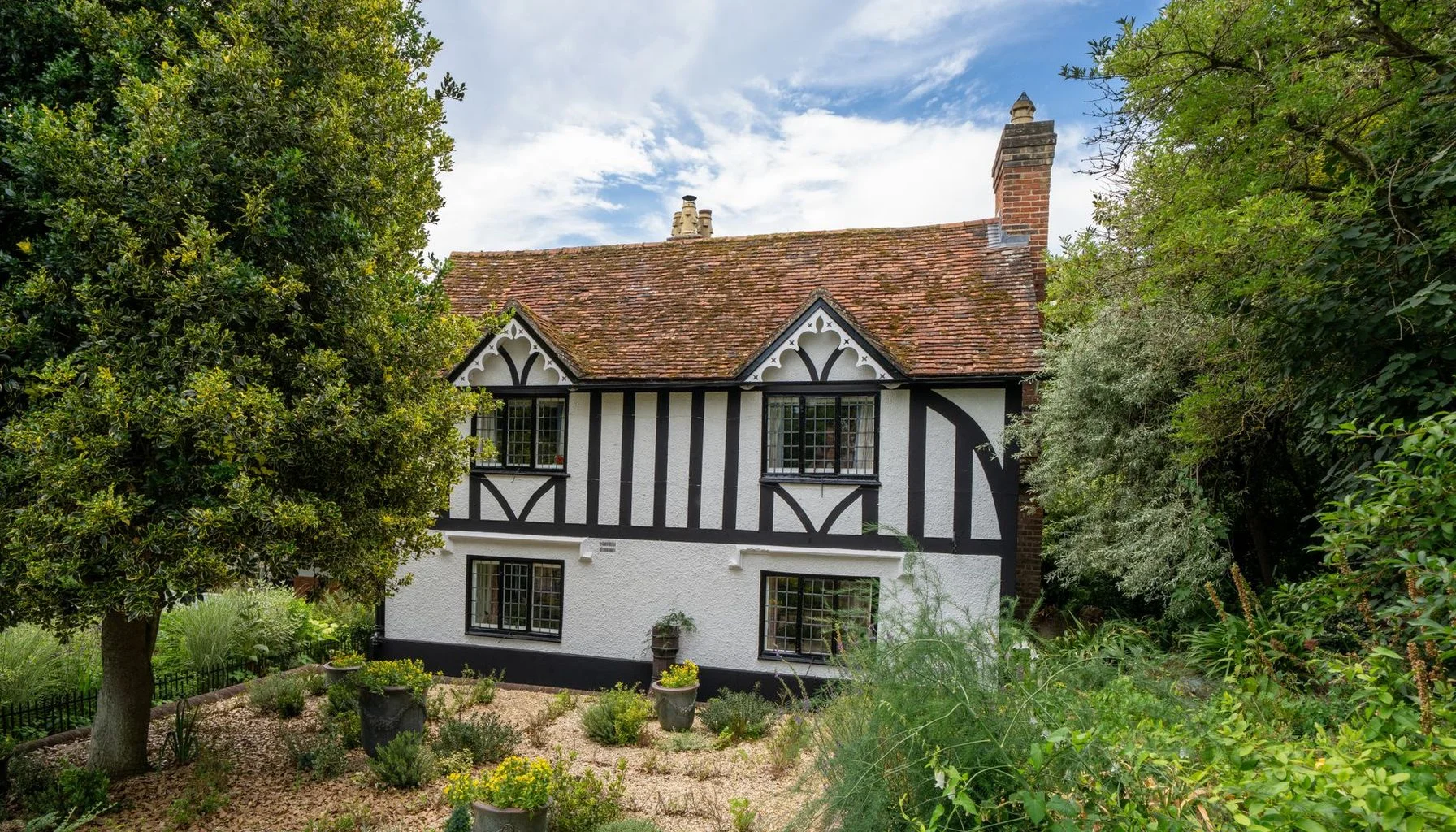
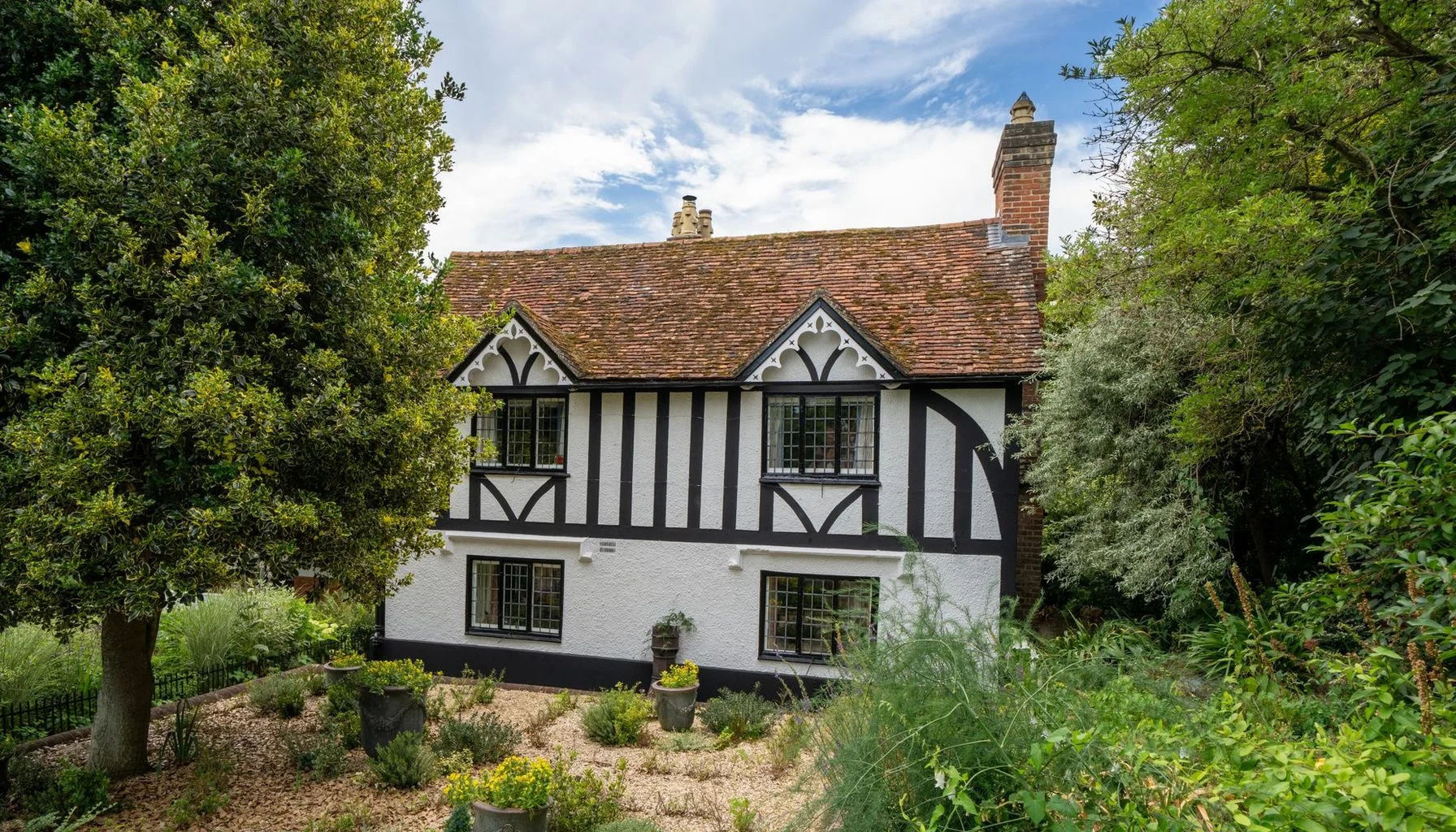
    Obtaining a mortgage for a timber-built property can be challenging, as lenders often impose stricter criteria due to the construction type. Understanding these requirements is essential for potential buyers and investors.

    TL;DR: Mortgages for timber-built properties are available but often require larger deposits and specialist lenders; this affects buyers of log cabins and similar constructions.

    Can You Get a Mortgage on Timber-Built Properties?

    Yes, you can secure a mortgage on a timber-built property, but the options are more limited compared to traditional brick-and-mortar homes. Fully timber constructions, such as log cabins, face greater scrutiny from lenders. Properties classified as ‘non-standard construction’, including Swedish timber homes and chalet-style properties, may also encounter difficulties due to lender apprehensions about fire risk, durability, and resale value.

    What Factors Influence Mortgage Approval?

    When assessing timber-built properties, lenders consider several factors:

    • Fire risk associated with timber materials
    • Durability and expected lifespan of the construction
    • Resale value, particularly if the property needs to be sold following repossession
    • Maintenance requirements and associated costs

    These considerations can lead to higher deposit requirements and the need for a specialist lender, as high street banks may not offer standard rates for these types of properties.

    What This Means for Buyers and Investors

    For individuals looking to purchase a timber-built home, it is advisable to consult with a mortgage broker who has access to a wider range of lenders, including building societies that may offer more flexible underwriting. A surveyor’s report is also critical in this process, as it can provide insights into the construction type and potential issues that may affect mortgage approval. You may also want to check residential mortgages for better options.

    Frequently Asked Questions

    Are all timber-built properties difficult to finance?

    Not all timber-built properties are difficult to finance, but fully timber constructions often face more restrictions. Non-standard constructions may require a larger deposit and specialist lenders.

    What should I do if my mortgage broker has limited options?

    If your broker has a limited panel of lenders, consider seeking a second opinion from another broker who can explore the specialist lending market and assess your specific circumstances.

  • Record £108m Property Finance in the Mortgage Market

    Record £108m Property Finance in the Mortgage Market

    Word On The Street has achieved a remarkable milestone by arranging £108 million in property finance over the past year, marking a significant shift in the UK mortgage market. This achievement highlights the resilience of the sector amidst various challenges, showcasing an increasing appetite for property investment.

    TL;DR: Word On The Street arranged a record £108m in property finance, reflecting a 62% annual growth; this surge benefits landlords and investors seeking new opportunities.

    What factors contributed to this growth in the mortgage market?

    The impressive 62% annual growth in property finance can be attributed to a combination of factors. Word On The Street facilitated 239 cases, a 130% increase year-on-year, indicating a robust demand for various types of property financing. The firm reported a 75% rise in total revenue, reaching £1.8 million, demonstrating strong operational performance despite external market pressures.

    How does this impact landlords and investors in the mortgage market?

    The surge in property finance cases, including 130 buy-to-let (BTL) loans, 82 bridging loans, 16 development finance, and 11 commercial mortgage cases, presents significant opportunities for landlords and investors. With an average loan size of £462,637, the increased availability of finance allows for greater investment in rental properties and development projects. This trend may lead to more competitive rental markets, as landlords expand their portfolios.

    What should brokers and borrowers watch next in the mortgage market?

    Brokers and borrowers should closely monitor the evolving dynamics of the mortgage market as lenders respond to this increased demand. The continued growth in property finance suggests that lenders may introduce more competitive rates and flexible terms. Staying informed about current mortgage rates and financing options will be important for those looking to capitalise on new opportunities.

    Frequently asked questions

    What types of loans were arranged by Word On The Street?

    Word On The Street arranged a variety of loans, including 130 buy-to-let loans, 82 bridging loans, 16 development finance loans, and 11 commercial mortgages.

    How much was the average loan size?

    The average loan size for the cases arranged was £462,637, reflecting the scale of investments being made in the property market.

  • Record £108m Property Finance in the UK Mortgage Market

    Record £108m Property Finance in the UK Mortgage Market

    Word On The Street has achieved a remarkable milestone by arranging a record £108 million in property finance over the past year. This significant growth highlights the resilience of the UK mortgage market amid various challenges, making it an important development for landlords, borrowers, and investors alike.

    TL;DR: Word On The Street arranged a record £108 million in property finance, reflecting a 62% annual growth; this surge impacts landlords and investors seeking financing options.

    How Did Word On The Street Achieve This Growth?

    The firm reported a 130% year-on-year increase in the number of cases facilitated, completing a total of 239 transactions. This included 130 buy-to-let (BTL) cases, 82 bridging loans, 16 development finance cases, and 11 commercial mortgages. The average loan size reached £462,637, showcasing the firm’s ability to cater to a diverse range of financing needs.

    What Does This Mean for the Mortgage Market?

    The substantial growth in property finance arranged by Word On The Street is indicative of a robust demand for mortgage products, particularly in the buy-to-let sector. For landlords, this means more accessible financing options as lenders become increasingly willing to support property investments. Additionally, the 75% jump in total revenue to £1.8 million signals a healthy market environment, which could encourage further investment in property.

    What Trends Should Borrowers Watch in the Mortgage Market?

    As the mortgage market continues to evolve, borrowers should keep an eye on the increasing competition among lenders, which may lead to more favourable mortgage rates. With the current trend of rising property finance arrangements, it’s essential for potential borrowers to stay informed about current mortgage rates and explore mortgage rate comparison tools to find the best deals available.

    Frequently asked questions

    What types of cases did Word On The Street finance?

    Word On The Street financed a range of cases, including 130 buy-to-let, 82 bridging loans, 16 development finance, and 11 commercial mortgage cases.

    How has the mortgage market responded to recent challenges?

    The mortgage market has shown resilience, with firms like Word On The Street reporting significant growth in both the value and number of cases facilitated, indicating strong demand for property finance.

  • Getting a Mortgage on Timber-Built Properties Explained

    Getting a Mortgage on Timber-Built Properties Explained

    Securing a mortgage for a timber-built property can be challenging, but it is possible. Understanding the nuances of timber construction is essential for potential borrowers, as lenders often have specific concerns regarding these types of properties.

    TL;DR: Mortgages for timber-built properties are available but often come with restrictions; fully timber constructions may require larger deposits and specialist lenders.

    What Types of Timber Construction Are There?

    Timber properties can vary significantly in construction style, which influences mortgage eligibility. Fully timber structures, such as log cabins, typically face more scrutiny from lenders. In contrast, properties constructed with Swedish timber or chalet-style homes are classified as ‘non-standard construction.’ These classifications affect lender appetite and the terms of any mortgage offered.

    Why Are Timber-Built Properties More Difficult to Finance?

    Lenders often express concerns about several factors related to timber-built properties, including:

    • Fire Risk: Timber is more susceptible to fire damage, raising concerns about safety and insurance.
    • Durability and Lifespan: The longevity of timber structures can be questioned, impacting resale value.
    • Resale Value: If a property is repossessed, it may be harder to sell, making lenders cautious.
    • Maintenance Requirements: Timber properties may require more upkeep, which can deter some buyers.

    What This Means for Borrowers Seeking a Mortgage

    For those looking to purchase a timber-built property, it’s important to be aware that standard high street lenders may not offer competitive rates. Instead, borrowers might need to seek out building societies or specialist lenders who have more flexible underwriting criteria. Factors such as the surveyor’s report, construction type, location, deposit size, and the borrower’s financial profile will all play significant roles in mortgage approval. For more information on mortgage options, check out our residential mortgages.

    Frequently Asked Questions

    Can I get a mortgage on a log cabin?

    Yes, but you may face challenges. Log cabins are often considered non-standard construction, which can limit lender options and require a larger deposit.

    What should I do if my broker has a limited panel of lenders?

    Consider consulting another broker who specializes in non-standard construction mortgages to explore more options and find a suitable lender.

  • Record £108m Property Finance Boosts UK Mortgage Market

    Record £108m Property Finance Boosts UK Mortgage Market

    Word On The Street has achieved a remarkable milestone by arranging a record £108 million in property finance over the past year, highlighting a significant shift in the UK mortgage market. This achievement not only reflects the firm’s resilience amid challenges but also signals growing opportunities for landlords, borrowers, and investors.

    TL;DR: Word On The Street arranged £108 million in property finance, marking a 62% annual growth; this surge indicates a thriving mortgage market, benefiting landlords and investors.

    What Factors Contributed to This Growth?

    The firm reported a 130% year-on-year increase in the number of cases facilitated, completing a total of 239 cases. This included 130 buy-to-let (BTL) mortgages, 82 bridging loans, 16 development finance cases, and 11 commercial mortgages. The average loan size was £462,637, showcasing the scale of financing available in the current market.

    How Does This Impact Landlords and Borrowers?

    This substantial increase in property finance can be particularly advantageous for landlords looking to expand their portfolios. The rise in buy-to-let cases indicates a robust demand for rental properties, which may lead to increased rental yields. For borrowers, the diverse range of finance options available, including bridging and development loans, provides flexibility and potential for growth in various property sectors.

    What This Means for the Mortgage Market

    The 75% jump in total revenue, reaching £1.8 million, underscores the firm’s success and the overall health of the mortgage market. As lenders become more competitive, borrowers may benefit from improved rates and terms. Investors should keep an eye on emerging trends in property finance, as this growth could lead to further opportunities in the mortgage market.

    Frequently asked questions

    What types of mortgages are currently in demand?

    There has been a notable demand for buy-to-let mortgages, bridging loans, and development finance, reflecting diverse investment strategies among borrowers.

    How can I stay updated on mortgage rates?

    For the latest information on mortgage rates, consider checking resources that provide regular updates on current mortgage rates and comparisons.

  • Record £108m Property Finance Boosts Mortgage Market

    Record £108m Property Finance Boosts Mortgage Market

    Word On The Street has achieved a remarkable milestone by arranging £108 million in property finance over the past year, marking a significant shift in the UK mortgage market. This achievement highlights the firm’s resilience amid ongoing economic challenges and reflects a growing demand for various types of property financing.

    TL;DR: Word On The Street facilitated £108 million in property finance, a 62% annual growth; this surge impacts landlords and investors seeking diverse financing options.

    What types of financing were arranged?

    The firm’s impressive total comprised a diverse range of financing options: 130 buy-to-let (BTL) cases, 82 bridging loans, 16 development finance projects, and 11 commercial mortgage cases. The average loan size was £462,637, indicating a robust appetite for property investment and development in the current market.

    Why is this growth significant for the mortgage market?

    This growth is noteworthy as it represents a 130% year-on-year increase in the number of cases facilitated by Word On The Street. The 62% rise in the total value of business reflects a broader trend in the mortgage market, where investors and landlords are increasingly seeking tailored financing solutions. With total revenue hitting £1.8 million, the firm has demonstrated that there is still substantial activity in property finance despite external economic pressures.

    What this means for landlords and investors

    The surge in property finance arranged by Word On The Street signals a positive outlook for landlords and investors. With various financing options available, including BTL and bridging loans, there is potential for growth in property portfolios. Investors should consider this trend as a signal to explore financing opportunities that align with their investment strategies. Additionally, brokers can use these insights to better serve clients seeking diverse mortgage solutions.

    Frequently asked questions

    What factors contributed to the growth in property finance?

    The growth can be attributed to a strong demand for diverse financing options, as well as the firm’s ability to navigate challenges in the market without distraction.

    How can I take advantage of these financing trends?

    Landlords and investors should explore various financing options, such as buy-to-let and bridging loans, to enhance their property portfolios and take advantage of market opportunities.

  • Bluecroft Finance Introduces Dual Representation for Bridging Loans

    Bluecroft Finance Introduces Dual Representation for Bridging Loans

    Bluecroft Finance has launched a new initiative called Dual Representation aimed at enhancing the bridging loan process for brokers and direct clients. This development is significant as it seeks to streamline legal procedures, ultimately making transactions faster and more efficient.

    TL;DR: Bluecroft Finance’s Dual Representation initiative simplifies the bridging loan process; it benefits brokers and clients by reducing legal complexities and improving transaction speed.

    What is Dual Representation?

    Dual Representation is a collaborative approach where Bluecroft Finance partners with multiple legal firms to manage bridging loan transactions. This initiative aims to simplify the legal journey for brokers and clients, resulting in fewer complications and quicker completions on suitable cases. By expanding its panel of legal partners, Bluecroft can accommodate various case types and client preferences, thereby enhancing overall service delivery.

    How Does This Impact Brokers and Clients?

    For brokers, the introduction of Dual Representation means a more straightforward legal process, allowing them to manage transactions with greater ease. The initiative reduces the number of moving parts involved, thus accelerating the completion of deals. For direct clients, this approach can lead to lower legal costs and improved visibility throughout the transaction, which can be particularly beneficial during complex cases.

    What This Means for Bridging Loan Users

    The Dual Representation initiative is a positive development for anyone involved in bridging loans. By reducing friction in the legal process, it enhances the overall experience for both brokers and clients. The ability to work with a broader range of legal partners allows Bluecroft Finance to respond more effectively to the needs of borrowers, ultimately facilitating smoother transactions and quicker access to funds.

    Frequently asked questions

    What are the benefits of Dual Representation for borrowers?

    Borrowers can expect reduced legal complexities, improved communication, and potentially lower costs, leading to a more efficient transaction process.

    How does Dual Representation affect the speed of bridging loans?

    By simplifying the legal journey and reducing the number of parties involved, Dual Representation can significantly speed up the completion of bridging loan transactions.

  • Hope Capital Cuts Minimum Bridging Loan to £50,000

    Hope Capital Cuts Minimum Bridging Loan to £50,000

    Hope Capital has announced a significant reduction in its minimum bridging loan amount, lowering it from £100,000 to £50,000. This change aims to enhance accessibility for borrowers and brokers, particularly in the specialist property market.

    TL;DR: Hope Capital now offers bridging loans starting at £50,000, expanding options for borrowers and brokers; the lender also raises the limit for dual legal representation to £1 million.

    What Changes Have Been Made to Bridging Loans?

    In addition to lowering the minimum loan amount, Hope Capital has made several key adjustments to its bridging loan offerings. The lender will now consider below-market-value transactions at up to 75% of the open market value, contingent on a full valuation. Instant valuations are now available for qualifying residential cases valued up to £1 million, an increase from the previous limit of £500,000. Furthermore, the threshold for dual legal representation has been raised from £750,000 to £1 million, and this facility is now available in Scotland.

    How Do the New Rates Affect Borrowers?

    Hope Capital has also revised its pricing structure for residential loans. The rates for light, medium, and heavy refurbishment cases have decreased from 0.85% to 0.82% at a 75% loan-to-value ratio. Additionally, the rates for Max Net residential deals at the same loan-to-value ratio have dropped from 0.89% to 0.87%. For semi-commercial properties, the Max Net pricing at 70% loan-to-value has been reduced from 0.99% to 0.89%, while the equivalent Max Net commercial rate has fallen from 0.99% to 0.92%.

    What This Means for Landlords and Investors

    The changes implemented by Hope Capital are particularly beneficial for landlords and property investors. With the minimum loan amount now set at £50,000, more investors can access bridging finance for smaller projects or property acquisitions. The increased valuation limits and reduced rates further enhance the attractiveness of these loans, allowing for greater flexibility in financing property ventures. This is a positive development for those looking to invest in the property market, as it opens up new opportunities for funding.

    Frequently Asked Questions

    What types of properties can I finance with a bridging loan?

    Bridging loans can be used for various property types, including residential, semi-commercial, and commercial properties. Hope Capital’s recent updates allow for funding on below-market-value transactions as well.

    How long can I take out a bridging loan for?

    Hope Capital offers bridging loans with terms ranging from three to 18 months, providing flexibility for borrowers to complete their projects or transactions.

  • Hope Capital Lowers Minimum Bridging Loan to £50,000

    Hope Capital Lowers Minimum Bridging Loan to £50,000

    Hope Capital has announced a significant reduction in its minimum bridging loan amount, now set at £50,000, down from £100,000. This change is particularly relevant for landlords, investors, and brokers, as it opens up more opportunities for smaller-scale property transactions and renovations.

    TL;DR: Hope Capital has reduced its minimum bridging loan to £50,000; this change allows more borrowers to access financing for property purchases and renovations.

    What Changes Have Been Made to Bridging Loans?

    The revised lending criteria at Hope Capital now accommodates loans ranging from £50,000 to £5 million across England, Wales, and Scotland. The lender will consider below-market-value transactions at up to 75% of the open market value, contingent on a full valuation. Additionally, the threshold for dual legal representation has increased from £750,000 to £1 million, making it easier for borrowers to navigate the legal aspects of their transactions.

    How Do Instant Valuations Work?

    Hope Capital has enhanced its valuation process by offering instant valuations for qualifying residential cases valued up to £1 million, an increase from the previous limit of £500,000. This improvement is designed to streamline the borrowing process, allowing brokers and borrowers to make quicker decisions.

    What Does This Mean for Borrowers and Brokers?

    The reduction in the minimum loan amount and the enhancements to the valuation process are likely to benefit a wide range of borrowers, including those looking to finance smaller property projects or renovations. For brokers, these changes provide more options to present to clients, particularly those who may have previously found the £100,000 minimum prohibitive. Hope Capital’s pricing for residential loans has also been adjusted, with rates for light, medium, and heavy refurbishment cases now starting at 0.82% at 75% loan-to-value, down from 0.85%.

    What Should Investors Watch Next?

    Investors and property professionals should keep an eye on further developments from Hope Capital, especially regarding their Max Net pricing, which has also seen reductions. The rate for Max Net residential deals at 75% loan-to-value has decreased from 0.89% to 0.87%, while semi-commercial pricing has dropped from 0.99% to 0.89%. These adjustments may signal a more competitive environment in the bridging loan market, potentially benefiting borrowers looking for flexible financing solutions.

    Frequently asked questions

    What is a bridging loan?

    A bridging loan is a short-term loan used to bridge the gap between the purchase of a new property and the sale of an existing one, often used in property transactions and renovations.

    Who can benefit from the new minimum loan amount?

    Landlords, property investors, and brokers can benefit from the new minimum loan amount of £50,000, as it allows access to financing for smaller property projects that were previously unfeasible.