
Tag: mixed-use

  • Semi-Commercial Mortgage Lending to Exceed £1 Billion

    Semi-Commercial Mortgage Lending to Exceed £1 Billion

    The semi-commercial mortgage sector is poised for significant growth, with lending expected to surpass £1 billion by the end of 2026. This surge is driven by an increase in transaction volumes and average loan sizes, indicating a robust market for landlords and investors in mixed-use properties.

    TL;DR: Semi-commercial mortgage lending is projected to exceed £1 billion by 2026, with a 20% increase in lending from the previous year; this trend benefits landlords and investors seeking mixed-use properties.

    What is Driving the Growth in Semi-Commercial Mortgages?

    In the second quarter of 2026, semi-commercial lending reached £242 million, marking a 20% increase from £201 million in the same period last year. This growth reflects a broader trend in the semi-commercial mortgage market, which encompasses properties that combine residential and commercial uses. The number of transactions also rose by 13%, from approximately 415 in Q2 2025 to 470 in Q2 2026, suggesting a healthy appetite for these types of loans.

    How Are Average Loan Sizes Changing?

    Average loan sizes have seen a notable increase of about 6% year on year, climbing from £484,000 to £515,000. This rise in loan size has contributed to the overall growth in lending value, indicating that borrowers are taking on larger projects or investing in more valuable properties. This trend is essential for investors looking to finance bigger developments in the mixed-use sector.

    What This Means for Landlords and Investors

    For landlords and investors, the expanding semi-commercial mortgage market presents opportunities for diversification and growth. With an increase in active lenders from 25 to 28 over the past year and a nearly 20% rise in dedicated semi-commercial mortgage products to 94, borrowers have more options available. The average loan-to-value ratio has also increased from 64% to 67%, allowing investors to use their assets more effectively.

    Challenger banks and specialist lenders are stepping in where mainstream banks have scaled back, particularly after the 2008 financial crisis. This shift has created a more competitive environment, benefiting borrowers with more tailored products and potentially better rates. As the market continues to grow, stakeholders should keep an eye on lending trends and product offerings to capitalize on emerging opportunities.

    What Are Current Interest Rates Like?

    Average headline fixed rates have eased slightly to around 6.70%, down from 6.85% in the first quarter of 2026. Challenger and specialist lenders are offering rates that range from approximately 6.0% to 9.0%, depending on the complexity of the asset and the transaction. This slight reduction in rates may encourage more borrowers to enter the market, further driving up lending volumes.

    Frequently Asked Questions

    What types of properties qualify for semi-commercial mortgages?

    Semi-commercial mortgages are designed for properties that have both residential and commercial elements, such as a shop with flats above or a mixed-use development. These properties must be secured against a single title.

    How can I find the best rates for semi-commercial mortgages?

    To find the best rates, borrowers should compare offers from various lenders, including challenger banks and specialist lenders. It’s also beneficial to consult with a mortgage broker who specializes in commercial mortgages to access a wider range of products and rates.
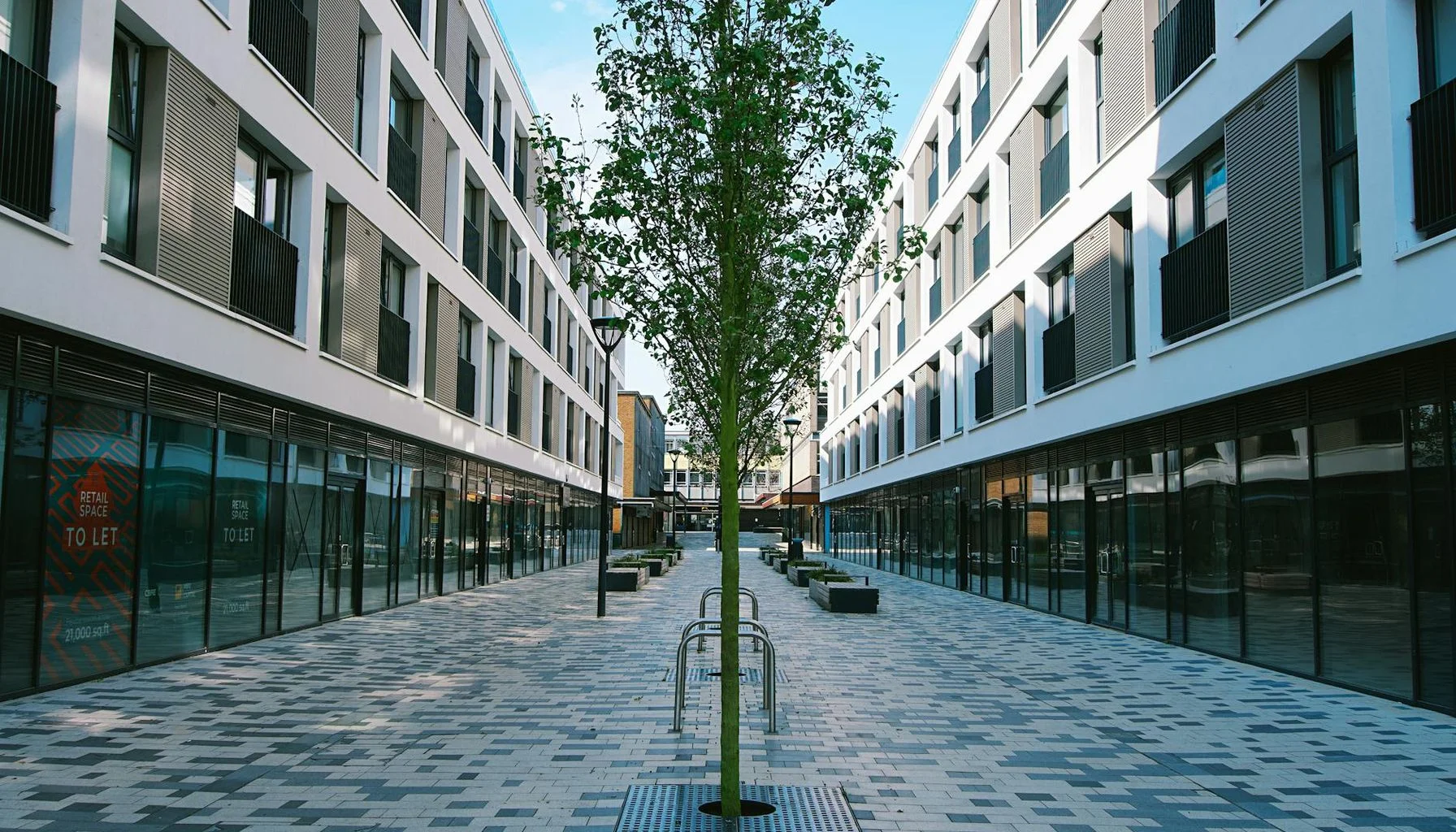
  • Landlords Shift Focus to Commercial and Mixed-Use Properties

    Landlords Shift Focus to Commercial and Mixed-Use Properties

    Recent trends indicate that landlords are increasingly turning their attention to commercial and mixed-use properties, moving away from traditional buy-to-let (BTL) investments. This shift is largely driven by changes in tax regulations and the evolving market of the rental market, which have made commercial properties more attractive despite their complexities.

    TL;DR: The volume of commercial and mixed-use property purchases rose by 18% from 2022 to 2025, as landlords seek better yields; traditional BTL investors face higher costs and regulatory challenges.

    Why Are Landlords Moving Away from Traditional BTL?

    Landlords are reevaluating their investment strategies due to significant changes in tax and regulatory frameworks. The increase in stamp duty for second homes and the introduction of the Renters’ Rights Act have made traditional BTL investments less appealing. For instance, a standard BTL property priced at £400,000 incurs a stamp duty bill of £30,000, while properties with commercial elements benefit from a significantly reduced stamp duty of £9,500. This financial incentive is prompting many landlords to explore commercial opportunities.

    What Are the Trends in Commercial and Mixed-Use Property Purchases?

    Analysis by lender Together reveals a notable 18% increase in the volume of commercial and mixed-use property purchases, rising from 95,660 in 2022 to 113,750 in 2025. Additionally, the number of semi-commercial and commercial mortgages written has increased by 9.8%, from 1,538 to 1,690 during the same period. This uptick suggests a growing interest among landlords in diversifying their portfolios with properties that can offer more stable returns.

    What This Means for Landlords

    Landlords considering a shift to commercial or mixed-use properties will need to navigate a more complex market. While these investments can yield higher returns, they also require the expertise of specialist brokers to structure deals effectively. The complexities associated with commercial properties have deterred many average investors, resulting in a decline in property prices by as much as 15% over the last four years. This price correction provides an opportunity for savvy landlords to enter the market at a lower cost.

    How Can Landlords Adapt to These Changes?

    To successfully transition into commercial or mixed-use properties, landlords should conduct thorough market research and consider the specific requirements of such investments. For example, some landlords are exploring the conversion of residential properties into C2 use for childcare, which involves obtaining an Ofsted rating. This expansion into different sectors, including corporate tenancies and HMOs, reflects a broader strategy to mitigate risks while capitalizing on emerging market trends.

    Frequently Asked Questions

    What are the benefits of investing in commercial properties?

    Investing in commercial properties can provide higher yields compared to traditional BTL investments. Additionally, properties with mixed-use elements can offer tax advantages, such as lower stamp duty costs.

    What should landlords consider before investing in commercial properties?

    Landlords should assess their risk appetite, seek advice from specialist brokers, and understand the regulatory requirements associated with commercial properties. Conducting thorough market research is also important to ensure a successful investment.