Tag: LTV

  • Darlington BS Cuts Foreign Currency Mortgage Rates

    Darlington BS Cuts Foreign Currency Mortgage Rates

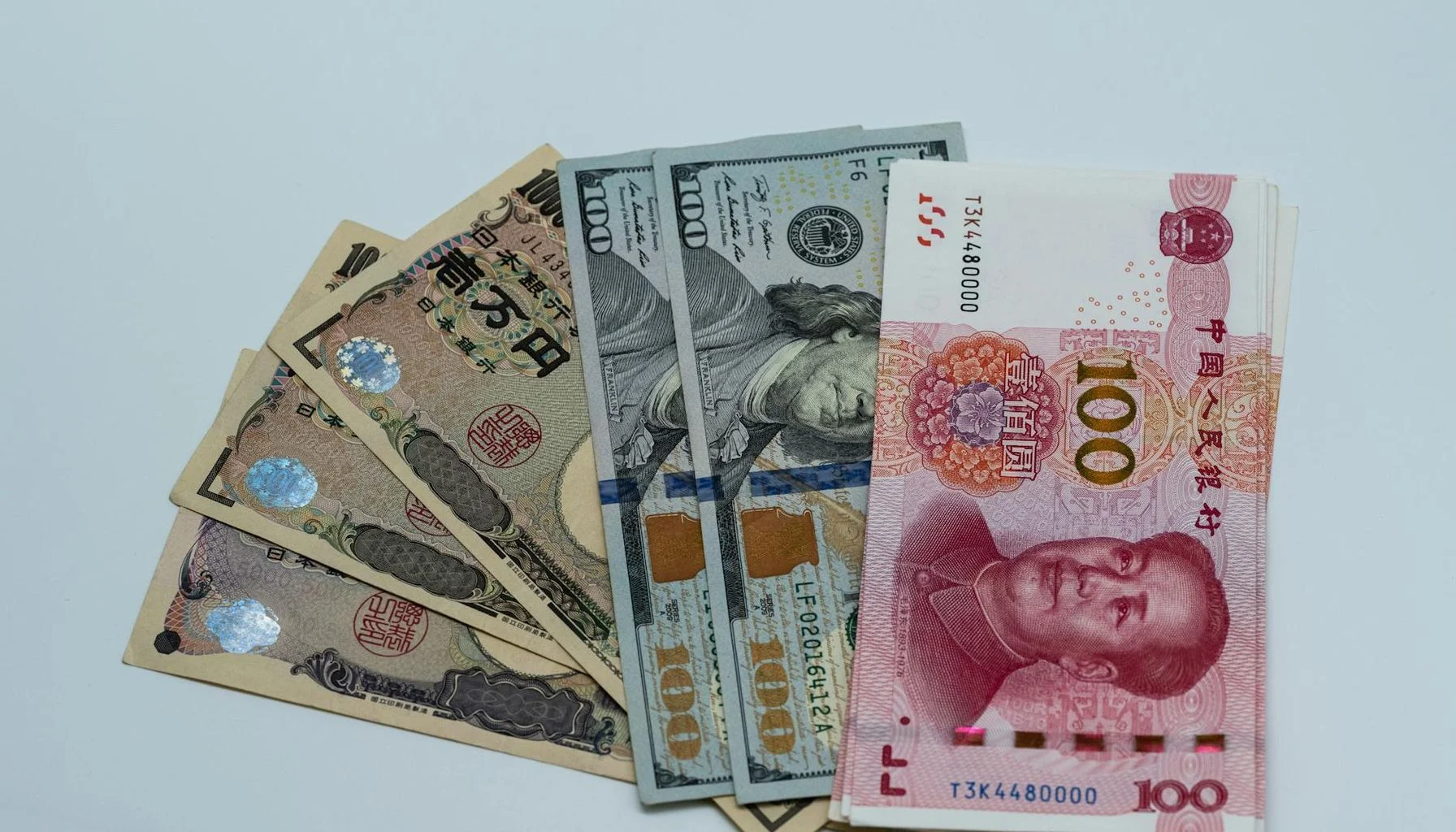
    Darlington Building Society has announced a reduction in rates for its residential foreign currency mortgage range, with cuts effective immediately. This move is significant as it enhances borrowing options for landlords and investors dealing in foreign currencies, especially as the society has also raised the maximum loan-to-value (LTV) ratio for these products.

    TL;DR: Darlington Building Society has reduced foreign currency mortgage rates; this change benefits borrowers seeking higher LTV options.

    What are the new mortgage rates?

    The revised rates for Darlington Building Society’s foreign currency mortgages include:

    • A two-year fixed-rate mortgage at 80% LTV.
    • A two-year fixed-rate mortgage at 90% LTV.
    • A five-year fixed-rate mortgage at 80% LTV.
    • A five-year fixed-rate mortgage at 90% LTV.

    Who benefits from these changes?

    This rate reduction primarily benefits brokers and borrowers involved in foreign currency transactions. With the acceptance of multiple major currencies and a manual underwriting approach for complex cases, Darlington Building Society is positioning itself as a more attractive option for those seeking foreign currency mortgages. The increased LTV ratio allows borrowers to secure larger loans against their properties, which is particularly advantageous in competitive markets.

    What does this mean for borrowers and brokers?

    For borrowers, the reduced rates and higher LTVs mean more accessible financing options for purchasing properties in foreign currencies. Brokers can use these changes to offer clients better deals, particularly for those with unique financial situations that require specialist mortgage solutions. The move is expected to stimulate interest in foreign currency mortgages, which can be more complex than standard loans.

    Frequently asked questions

    What types of currencies does Darlington BS accept?

    Darlington Building Society accepts multiple major currencies for its foreign currency mortgage products.

    How does the manual underwriting process work?

    The manual underwriting process allows for a more tailored assessment of complex cases, enabling the society to consider individual circumstances that may not fit standard criteria.

  • Darlington BS Cuts Foreign Currency Mortgage Rates

    Darlington BS Cuts Foreign Currency Mortgage Rates

    Darlington Building Society has announced a reduction in rates for its foreign currency mortgage products, cutting rates across selected two-year and five-year fixed-rate mortgages. This change is effective immediately and enhances options for borrowers and brokers dealing with foreign currency transactions.

    TL;DR: Darlington Building Society has lowered foreign currency mortgage rates; this affects borrowers seeking two- and five-year fixed-rate options at higher LTVs.

    What are the new mortgage rates?

    The updated rates for Darlington’s foreign currency mortgage range include reductions for both two-year and five-year fixed-rate mortgages at various LTVs.

    Who is affected by these changes?

    This rate reduction primarily benefits borrowers looking for foreign currency mortgages, especially those with higher loan-to-value (LTV) ratios. With the maximum LTV now increased, more individuals can access these products, making it easier for them to secure financing in various currencies.

    What this means for brokers and borrowers

    The adjustments in rates and the increase in maximum LTV provide brokers with more flexibility when placing foreign currency mortgage cases. Given the complexities often associated with these transactions, having improved pricing options allows brokers to better serve clients with unique financial situations, particularly those with limited choices in the market.

    Frequently asked questions

    What currencies does Darlington Building Society accept?

    Darlington Building Society accepts multiple major currencies for its foreign currency mortgage products.

    How does manual underwriting affect foreign currency mortgages?

    Manual underwriting allows for a more tailored approach to complex cases, enabling the Society to assess unique financial situations that standard processes might not accommodate.

  • Atom Bank and Family Building Society Cut Mortgage Rates

    Atom Bank and Family Building Society Cut Mortgage Rates

    Rate Reductions Announced by Atom Bank and Family Building Society

    As of 17th April 2026, Atom Bank and Family Building Society have announced significant reductions in their mortgage rates. Atom Bank has cut its rates by up to 30 basis points across its prime mortgage range, while Family Building Society has reduced its rates by 25 basis points. These rate cuts follow HSBC’s announcement of a 34 basis point reduction, alongside similar moves by Coventry and Leeds.

    Atom Bank’s prime mortgage rates now start from 5.29% for borrowers with a deposit of at least 15%. Products with up to 85% loan-to-value (LTV) have seen a 20 basis point reduction, while 90% LTV products have seen a 25 basis point reduction. Rates for 95% LTV products have been reduced by 10 basis points. These reductions follow a recent 20 basis point cut across Atom Bank’s near prime range, reflecting improved swap market conditions.

    Family Building Society Reintroduces 60% LTV Products

    Family Building Society has also announced reductions in its owner occupier and buy-to-let ranges, as well as the reintroduction of products at 60% LTV. In its buy-to-let range, two-year fixed rates have been reduced by 25 basis points and five-year fixed rates by 15 basis points. Rates for existing customers, including product transfers and further advances, have also been reduced, with buy-to-let products decreasing by up to 25 basis points.

    Family Building Society’s head of intermediary sales, Darren Deacon, has attributed these rate reductions and the reintroduction of lower LTV pricing to relative stability in the Gulf, which has been reflected in market sentiment.