Tag: buy-to-let

  • 1.5 Million UK Homes Unmortgageable: What It Means

    1.5 Million UK Homes Unmortgageable: What It Means

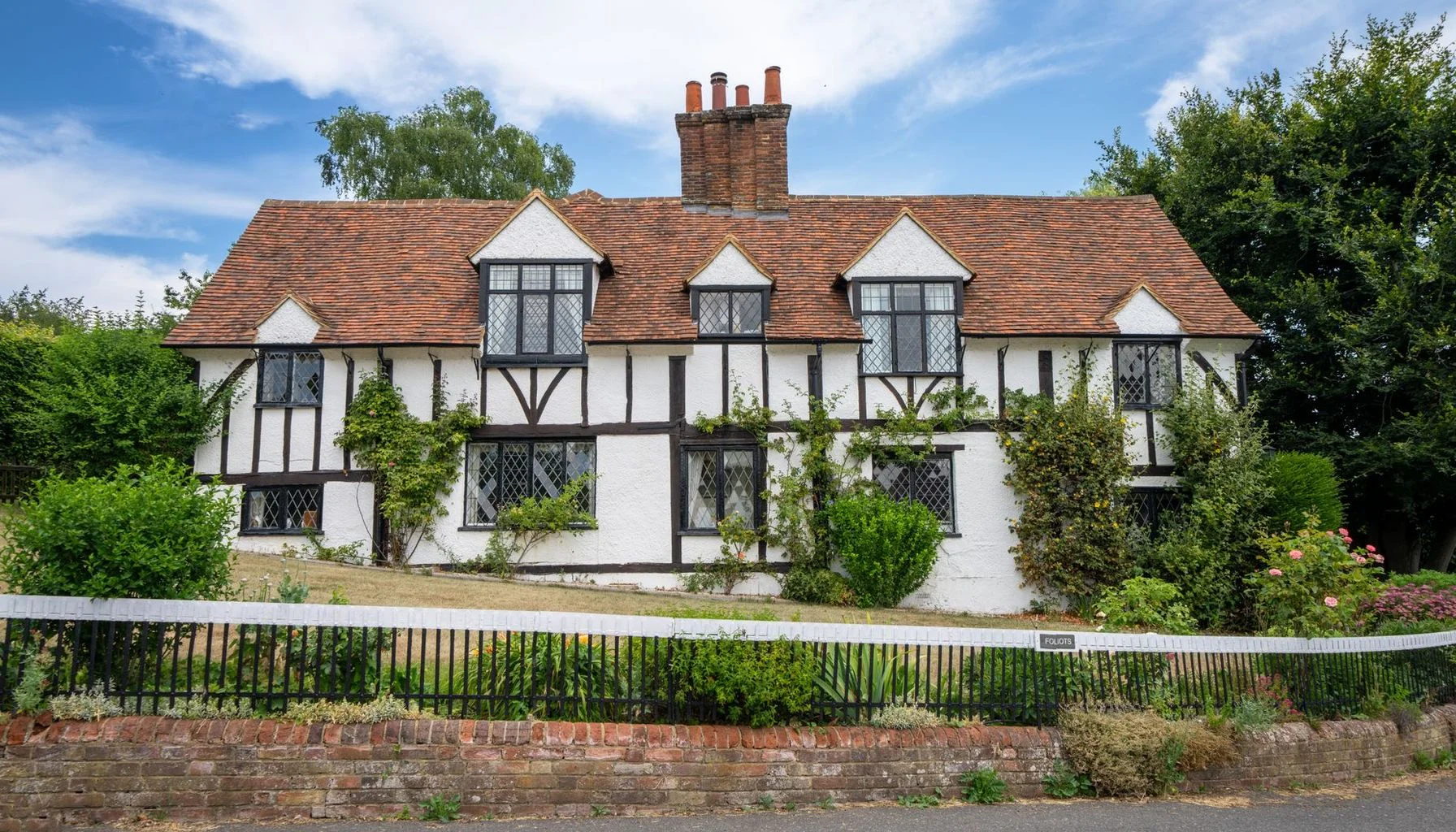
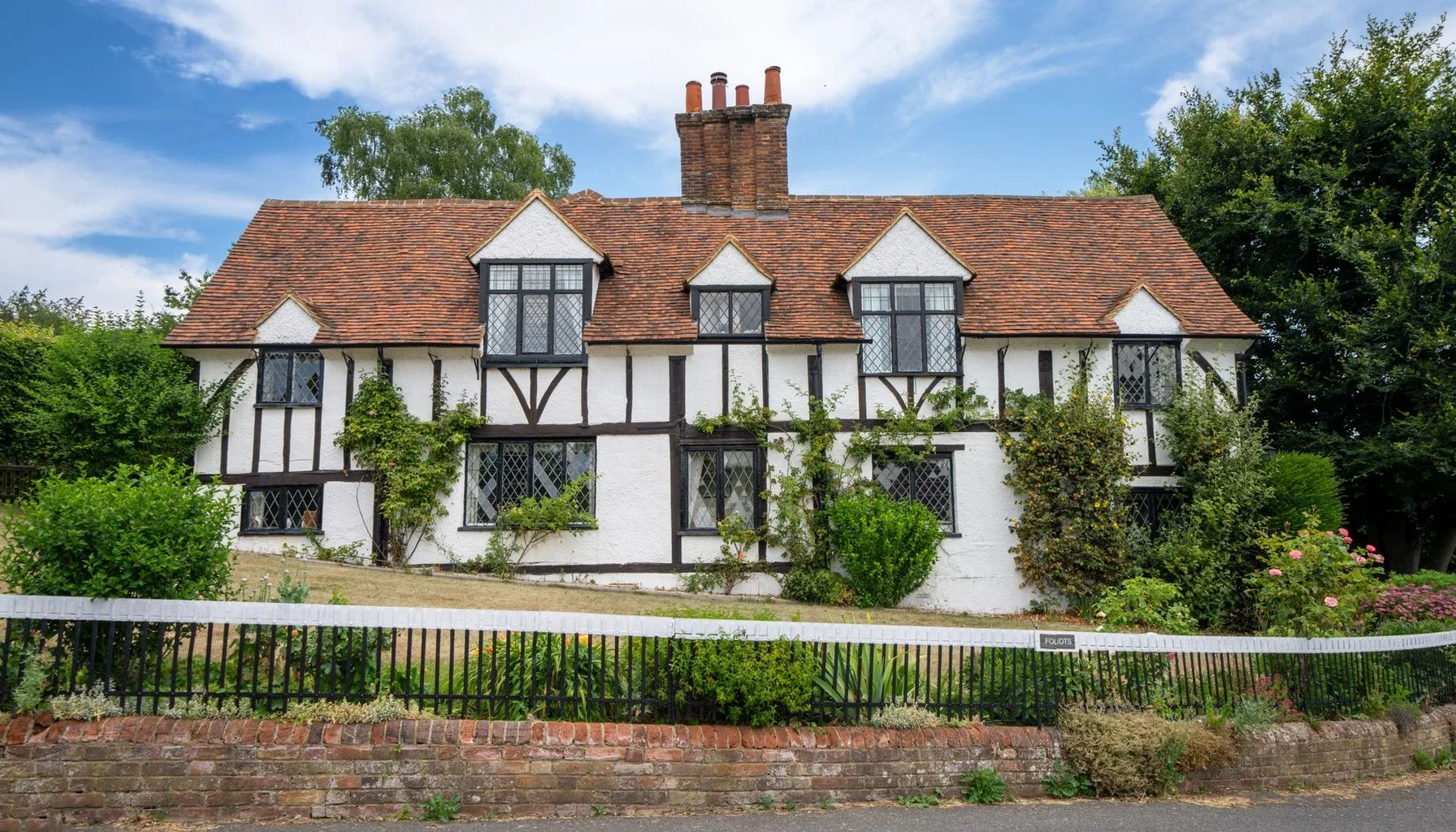
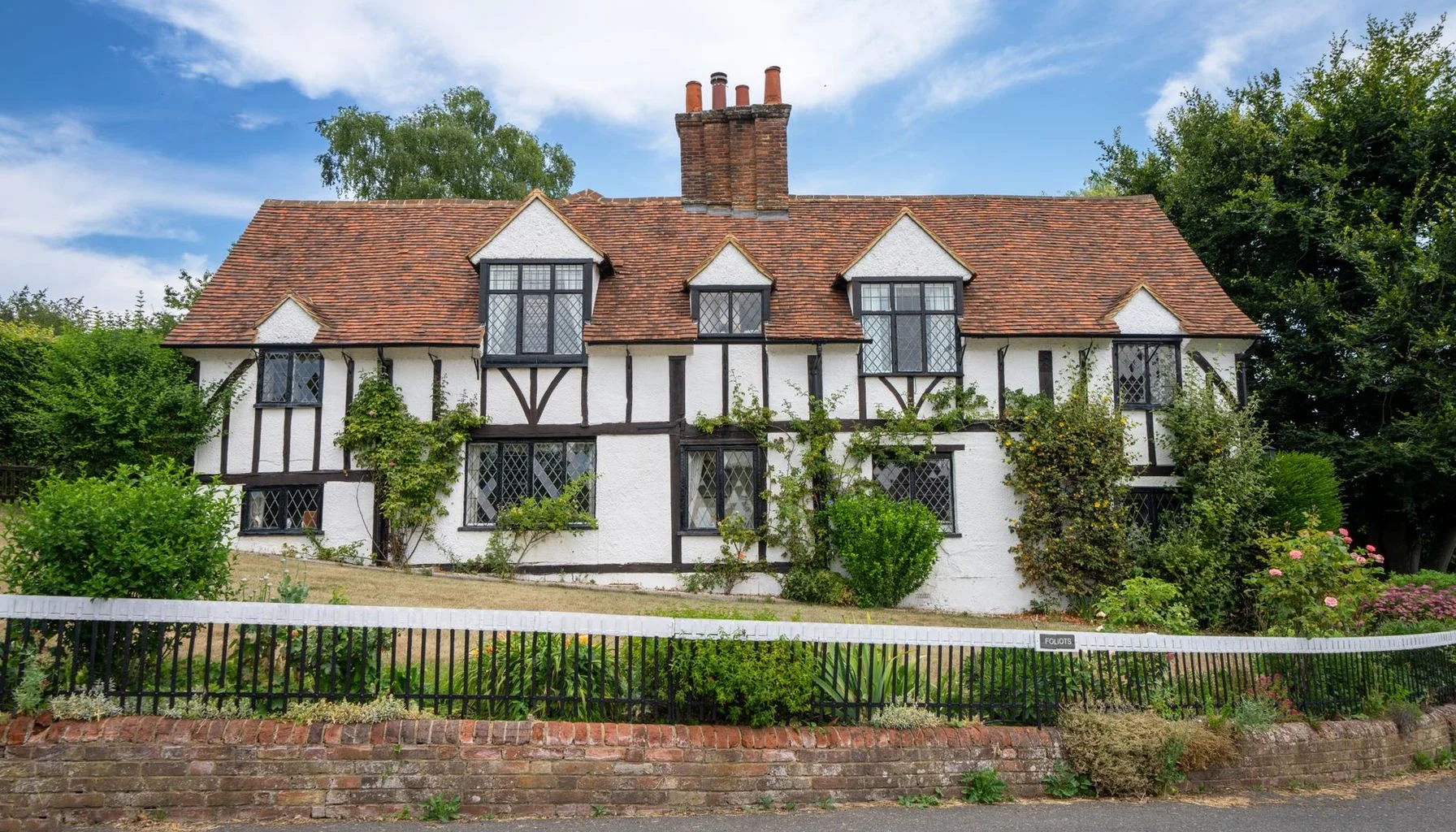
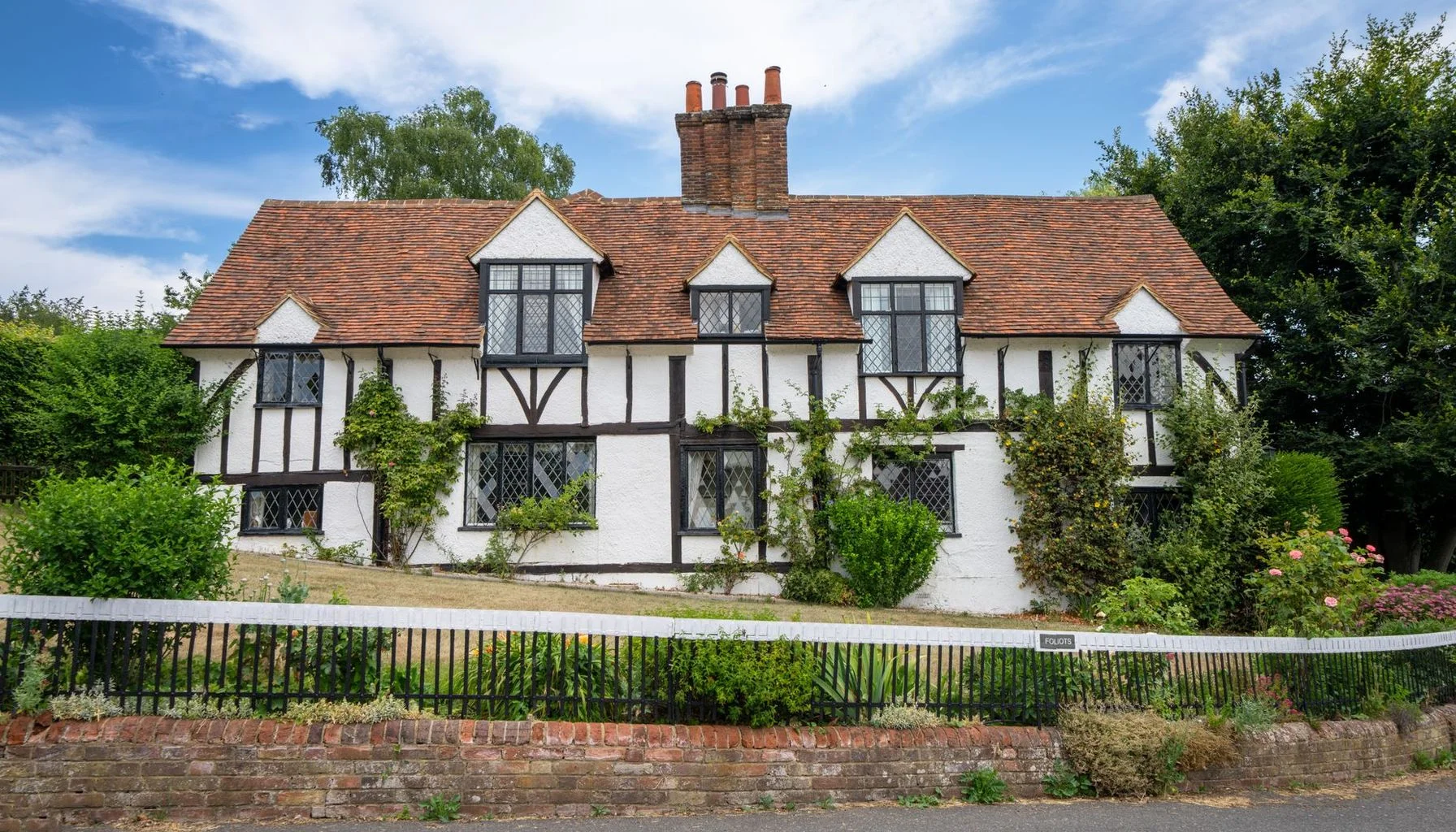
    Recent research indicates that over 1.5 million homes in the UK are deemed ‘unmortgageable’ by mainstream lenders, impacting potential buyers and investors. This situation arises from properties failing to meet the lending criteria set by high street banks, which could limit the housing options available to many.

    TL;DR: More than 1.5 million UK homes are considered ‘unmortgageable’ due to various factors, affecting buyers and investors seeking alternative properties; 21% of buyers have faced mortgage application rejections.

    What Makes a Home Unmortgageable?

    Properties may be classified as unfinanceable for several reasons, including structural issues like thatched roofs or solid-wall construction, as well as practical concerns such as short leases or the absence of essential amenities like kitchens and bathrooms. Additionally, locations near commercial premises or high-rise buildings can deter lenders from approving mortgages.

    Who Is Affected by This Situation?

    This issue primarily impacts buyers looking for affordable housing options, particularly those interested in renovation projects. Among potential buyers, 44% believe these properties offer better value compared to conventional homes. Furthermore, 35% of buy-to-let investors are drawn to these properties due to their rental income potential, despite the challenges in securing financing.

    What This Means for Buyers and Investors

    For individuals and investors in the property market, the high number of unfinanceable homes could limit choices and complicate the purchasing process. The research indicates that 21% of buyers have already experienced mortgage application rejections, while 32% reported a reduced pool of lenders willing to consider their applications. This highlights the necessity for alternative financing options or specialist lenders who can accommodate these unique properties.

    Frequently Asked Questions

    What should buyers do if their property is unfinanceable?

    Buyers should consider seeking out specialist lenders who are more flexible with their criteria or explore alternative financing options such as renovation loans or bridging finance.

    How can investors benefit from unmortgageable properties?

    Investors may find unmortgageable properties appealing due to lower purchase prices and potential for value increase through renovations, despite the challenges in securing financing.

  • NatWest’s £20bn Impact on the Mortgage Market

    NatWest’s £20bn Impact on the Mortgage Market

    NatWest has reported a significant achievement in the mortgage market, completing gross new mortgage lending in the first half of 2026. This growth is largely attributed to a robust increase in owner-occupied lending, which is important for both first-time buyers and existing homeowners looking to remortgage.

    TL;DR: NatWest’s substantial mortgage lending includes a large portion for owner-occupied homes; this growth is vital for first-time buyers and the overall mortgage market.

    How Has NatWest’s Lending Changed in the Mortgage Market?

    A significant portion of the new lending was allocated to owner-occupied properties, while a smaller amount was designated for buy-to-let mortgages. The total customer lending portfolio rose significantly, indicating a strong demand for mortgages, particularly among first-time buyers, who received a notable amount in lending during this period.

    What Are the Implications for Borrowers in the Mortgage Market?

    With a weighted average loan-to-value ratio for new owner-occupied mortgages and BTL mortgages, borrowers may find it easier to secure financing. Additionally, lending for mortgages with higher LTV ratios suggests that lenders are willing to take on higher-risk borrowers. This could encourage more first-time buyers to enter the market.

    What This Means for First-Time Buyers

    First-time buyers stand to benefit significantly from NatWest’s lending strategy. The allocation to this group reflects a commitment to making homeownership more accessible. As mortgage balances increased, prospective buyers should closely monitor current mortgage rates to find competitive options that suit their financial situations.

    Frequently asked questions

    What types of mortgages are most popular right now?

    Owner-occupied mortgages dominate the market, while buy-to-let mortgages also see significant interest.

    How can first-time buyers benefit from recent lending trends?

    First-time buyers can take advantage of increased lending, making it easier to secure financing and enter the housing market.

  • Simplybiz Mortgages Launches 2026 Summer of Learning on Buy-to-Let

    Simplybiz Mortgages Launches 2026 Summer of Learning on Buy-to-Let

    Simplybiz Mortgages has unveiled its annual ‘Summer of Learning’ online education programme for 2026, aimed at providing valuable insights into buy-to-let mortgages and other financial topics. This initiative, running throughout August, features a diverse lineup of experts from various reputable organisations, catering to the educational needs of professionals in the mortgage and property sectors.

    TL;DR: Simplybiz Mortgages’ 2026 Summer of Learning programme offers online education throughout August, featuring insights from industry experts; this initiative supports mortgage professionals and landlords seeking to enhance their knowledge.

    What is the Summer of Learning programme?

    The Summer of Learning programme is an annual initiative by Simplybiz Mortgages designed to address the educational demands of its members. This year, the programme includes contributions from well-known organisations such as Air, Legal & General Home Finance, and Coventry Building Society. These sessions aim to cover a range of topics relevant to buy-to-let mortgages and broader financial education.

    Who should participate in this educational initiative?

    This programme is particularly beneficial for mortgage brokers, landlords, and financial advisors looking to stay informed about the latest trends and developments in the buy-to-let market. With ongoing changes in regulations and market dynamics, continuous learning is essential for professionals to remain competitive and provide the best advice to their clients.

    What this means for buy-to-let mortgage professionals

    For those involved in buy-to-let mortgages, the Summer of Learning represents an opportunity to gain insights from industry leaders and enhance their understanding of the market. With expert-led sessions, participants can expect to learn about new products, regulatory changes, and best practices that can directly impact their business and client interactions. For more information on current rates, check out our buy-to-let mortgage rates.

    Frequently asked questions

    What topics will be covered in the Summer of Learning?

    The programme will cover a variety of topics, including buy-to-let mortgages, market trends, regulatory updates, and best practices in the mortgage industry.

    How can I sign up for the Summer of Learning?

    Interested individuals can sign up through the Simplybiz Mortgages website to access the online educational sessions throughout August.

  • 1.5 Million UK Homes Considered Unmortgageable

    1.5 Million UK Homes Considered Unmortgageable

    New research reveals that over 1.5 million homes in the UK may be deemed unfinanceable by mainstream lenders due to various structural and legal issues. This situation poses significant challenges for potential buyers, particularly those interested in properties that fall outside standard mortgage criteria.

    TL;DR: More than 1.5 million UK homes are classified as unfinanceable by high street banks; this affects buyers seeking properties with unique characteristics or renovation potential.

    Why Are Homes Considered Unmortgageable?

    According to specialist lender Together, around 6% of the UK’s 28 million residential properties are seen as unfinanceable. Common reasons include thatched roofs, short leases, solid-wall construction, high-rise locations, and proximity to commercial premises. Additionally, properties lacking essential amenities like a functioning kitchen or bathroom are also often rejected by lenders.

    Who Is Affected by This Trend?

    This issue primarily impacts potential homebuyers and investors looking for properties that may offer better value or renovation opportunities. Among those who have considered purchasing such homes, 44% believe these properties provide better value than conventional homes. A significant portion, 31%, is actively seeking renovation projects, while 28% see these homes as a chance to enhance their value before resale.

    What This Means for Buy-to-Let Investors

    For buy-to-let investors, the situation is particularly pertinent. Around 35% of these investors are attracted to unfinanceable properties due to their potential for rental income. However, the research indicates that 21% of buyers have faced mortgage application rejections, and 32% reported a limited number of lenders willing to consider their applications. This scenario may lead to fewer investment opportunities in the buy-to-let market.

    What Should Buyers Watch Next?

    Potential buyers should remain vigilant about the lending criteria of various banks and lenders. Understanding the specific characteristics that make a property unfinanceable can help buyers make informed decisions. Additionally, exploring alternative financing options, such as specialist lenders, may provide viable pathways for purchasing these unique properties.

    Frequently Asked Questions

    What types of properties are often deemed unmortgageable?

    Properties with thatched roofs, short leases, solid-wall construction, or lacking essential amenities like kitchens and bathrooms are often classified as unmortgageable.

    How can buyers finance unfinanceable properties?

    Buyers may consider specialist lenders who are more flexible with their criteria, or explore renovation loans that cater specifically to properties needing significant improvements.

  • 1.5 Million UK Homes Deemed Unmortgageable in Market

    1.5 Million UK Homes Deemed Unmortgageable in Market

    Recent research reveals that over 1.5 million homes in the UK are classified as ‘unmortgageable’ by mainstream lenders, impacting potential buyers and the overall mortgage market. This situation arises as these properties fall outside traditional lending criteria, making it challenging for many would-be homeowners to secure financing.

    TL;DR: More than 1.5 million UK homes are deemed unfinanceable by high street lenders, affecting buyers and investors who may find better value in these properties.

    What makes a property ‘unmortgageable’?

    Properties can be classified as unmortgageable for various reasons, including their construction type, lease length, or overall condition. Examples include thatched cottages, high-rise flats, and homes lacking essential amenities like functioning kitchens or bathrooms. These factors lead mainstream lenders to decline mortgage applications, limiting options for potential buyers.

    Who is affected by this classification?

    Approximately 6% of the UK’s 28 million residential properties fall into the unmortgageable category. This situation particularly affects first-time buyers and investors looking for properties that may require renovation or restoration. Among those who have considered purchasing such properties, many are motivated by the potential for value appreciation or lower purchase prices. For instance, 28% of respondents cited lower costs as their primary attraction, while 35% of buy-to-let investors were drawn by the prospect of rental income.

    What this means for the mortgage market

    For buyers and investors, the implications of this classification are significant. Many individuals are willing to embrace the challenges associated with unmortgageable properties, with 31% indicating that they see a worthwhile risk-to-reward ratio. Despite the hurdles, nearly a third of respondents reported having faced rejections from mortgage applications, highlighting the limited pool of lenders willing to consider these properties. As a result, buyers may need to explore alternative financing options or be prepared for a more complex purchasing process.

    What are the motivations behind purchasing unmortgageable properties?

    Despite the challenges, many buyers perceive unmortgageable properties as an opportunity. About 44% believe these homes offer better value for money compared to traditional properties. Additionally, 31% are motivated by the chance to renovate or restore a property, while 28% aim to add value before selling it for profit. This trend indicates a growing interest in properties that may require additional investment but hold the promise of significant returns.

    Frequently asked questions

    What should buyers consider when looking at unmortgageable properties?

    Buyers should carefully assess the condition of the property, the costs associated with necessary renovations, and the availability of alternative financing options. Understanding the risks and potential rewards is important.

    How can investors finance unmortgageable properties?

    Investors may need to explore specialist lenders or alternative financing solutions, such as bridging loans, which are more open to considering properties that do not meet mainstream lending criteria.

  • 1.5 Million Homes Impacting the UK Mortgage Market

    1.5 Million Homes Impacting the UK Mortgage Market

    Recent research has revealed that over 1.5 million homes in the UK are considered ‘unmortgageable’ by mainstream lenders. This significant figure highlights a growing concern in the mortgage market, as many properties fail to meet traditional lending criteria, impacting potential buyers and investors alike.

    TL;DR: More than 1.5 million UK homes are deemed ‘unmortgageable’ due to factors like construction type and condition; this affects borrowers seeking financing options.

    What Makes a Property Unmortgageable?

    According to the findings, approximately 6% of the UK’s 28 million residential properties may struggle to secure mainstream mortgage finance. Factors contributing to this classification include:

    • Construction type, such as thatched cottages and high-rise flats
    • Lease length
    • Condition of the property, including those lacking functioning kitchens or bathrooms
    • Proximity to commercial premises

    These criteria can severely limit the options available for buyers looking to finance their property purchases.

    Why Are Buyers Interested in Unmortgageable Properties?

    Despite the challenges, many buyers are drawn to unmortgageable properties for various reasons. Among those who have considered purchasing such properties:

    • 44% believe these homes offer better value for money compared to traditional properties.
    • 31% are motivated by the chance to renovate or restore the property.
    • 28% aim to add value before selling for a profit.
    • 31% see a worthwhile risk-to-reward ratio, despite acknowledging the process may be difficult.
    • 21% feel the potential rewards outweigh the risks.
    • 19% are willing to take on properties that others might avoid.

    This interest suggests a segment of the market is willing to embrace the challenges associated with these properties for the potential of greater returns.

    What This Means for the Mortgage Market

    The implications for buyers and investors are significant. With over a quarter (28%) of respondents citing lower purchase prices as the main attraction, this can be particularly appealing for first-time buyers and buy-to-let investors. For those purchasing as their primary residence, this figure rises to 32%. Additionally, 35% of buy-to-let investors are motivated by the prospect of rental income from such properties.

    However, potential buyers should be aware that 21% of respondents reported having their mortgage applications rejected, and 32% indicated limited access to lenders willing to consider their applications. This highlights the importance of understanding the mortgage market and exploring alternative financing options when considering unmortgageable properties.

    Frequently Asked Questions

    What should I consider when buying an unmortgageable property?

    When considering an unmortgageable property, assess its condition, potential renovation costs, and the availability of financing options. Understanding the risks involved is important.

    How can I finance an unmortgageable property?

    Alternative financing options may include specialist lenders who cater to unmortgageable properties or considering cash purchases if feasible. Researching these options is essential.

  • UK Buy-to-Let Mortgages See Significant Growth in 2025

    UK Buy-to-Let Mortgages See Significant Growth in 2025

    The UK mortgage market experienced a notable recovery in 2025, particularly in the buy-to-let sector, with gross lending increasing significantly. This surge highlights the evolving dynamics of mortgage lending and the competitive market among lenders, which is important for landlords, borrowers, and brokers navigating the market.

    TL;DR: Buy-to-let gross lending saw substantial growth in 2025; landlords and brokers should note Santander’s remarkable increase in buy-to-let lending and the competitive shifts among lenders.

    What Are the Key Trends in the Mortgage Market?

    UK Finance’s annual data reveals that total gross mortgage lending rose significantly in 2025 compared to the previous year. Despite this growth, total mortgage balances grew at a slower rate, highlighting a significant level of activity driven by new lending, refinancing, and product switching. This trend indicates a robust market recovery, but also suggests that many borrowers are actively remortgaging or switching products rather than simply increasing their debt levels.

    How Did Major Lenders Perform?

    Among the major lenders, Santander demonstrated exceptional growth in gross lending. Barclays followed with a strong rise, while NatWest, HSBC, and Nationwide also reported solid increases. Lloyds, while still leading in total outstanding balances, recorded the slowest growth among the big six lenders.

    Notably, the rankings shifted as Barclays overtook Santander in terms of outstanding balances, with both lenders now tied. Smaller lenders like Topaz Finance and Pure Retirement also showed impressive growth, indicating a shift in market dynamics where non-traditional lenders are gaining traction.

    What Does This Mean for Buy-to-Let Mortgages?

    The buy-to-let sector has seen even more pronounced growth, with gross lending rising significantly. Santander emerged as a standout performer, with its buy-to-let lending nearly tripling, propelling it to a higher position in the rankings. Other lenders, such as NatWest and HSBC, also reported significant increases in their buy-to-let lending activities.

    However, Barclays faced a decline in its buy-to-let balances, despite an overall increase in gross lending. This suggests a strategic shift in how major lenders are managing their portfolios, focusing on new business while grappling with legacy lending issues.

    What This Means for Landlords and Brokers

    For landlords, the significant growth in buy-to-let lending presents opportunities for expansion and refinancing. The surge in Santander’s buy-to-let lending indicates a competitive environment where landlords can potentially secure better deals. Brokers should note the increasing momentum among smaller lenders, as companies like Vida HomeLoans and Kensington Mortgage Company are gaining market share, particularly in specialist lending.

    As the market continues to evolve, landlords and borrowers should remain vigilant about the changing competitive market and consider diversifying their lending options. The strong performance of buy-to-let lending suggests that there are still opportunities for growth, particularly for those willing to explore beyond the traditional big six lenders.

    Frequently asked questions

    What factors are driving the growth in buy-to-let lending?

    The growth in buy-to-let lending is driven by increased demand for rental properties, competitive mortgage rates, and a rise in refinancing and product switching among landlords.

    How can landlords benefit from the current mortgage market trends?

    Landlords can benefit from the current trends by exploring refinancing options with lenders offering competitive rates, particularly as smaller lenders gain market traction and provide tailored products for buy-to-let investments.

  • Paragon Cuts Buy-to-Let Rates: What Landlords Need to Know

    Paragon Cuts Buy-to-Let Rates: What Landlords Need to Know

    Paragon Bank has announced a reduction on a selection of its five-year fixed-rate buy-to-let mortgages. This adjustment reflects a recent cooling in swap rates and aims to provide landlords with more competitive borrowing options.

    TL;DR: Paragon Bank has reduced rates on five-year buy-to-let mortgages; this change benefits landlords seeking competitive financing options.

    What Changes Have Been Made to Buy-to-Let Rates?

    The updated range from Paragon Bank includes products with various loan-to-value (LTV) ratios. The starting rates for these products now include options for green mortgages, which apply to properties with specific EPC ratings. Additionally, there are options available for Houses in Multiple Occupation (HMOs) and Multi-Unit Blocks (MUBs). Landlords can choose from various fee structures, including nil-fee, percentage-fee, and fixed-fee options, with selected products offering cashback.

    Who Will Benefit from These Rate Cuts?

    This rate reduction primarily benefits landlords looking to finance their buy-to-let investments. With the introduction of competitive rates, landlords can potentially reduce their borrowing costs, making property investment more attractive. Paragon’s tailored proposition also accommodates applications that fall outside standard lending criteria, widening access for a broader range of investors.

    What This Means for Landlords

    Frequently asked questions

    What are the new rates for Paragon’s buy-to-let mortgages?

    The new rates include options for green mortgages on properties with specific EPC ratings, as well as options for HMOs and MUBs.

    How can landlords take advantage of these rate cuts?

    Landlords can benefit by refinancing existing mortgages or securing new loans at lower rates, potentially reducing overall borrowing costs and improving investment returns.

  • UK Buy-to-Let Mortgages: Market Trends in 2025

    UK Buy-to-Let Mortgages: Market Trends in 2025

    The UK mortgage market experienced significant changes in 2025, particularly in the buy-to-let sector. With total gross lending reaching a notable figure, the market for landlords and investors is evolving rapidly, driven by both new lending and refinancing activities.

    TL;DR: The UK mortgage market saw a substantial increase in gross lending; buy-to-let lending surged, significantly impacting landlords and investors.

    What are the Key Changes in the Mortgage Market?

    UK Finance’s annual report highlights a robust recovery in the mortgage sector, with total mortgage balances rising. Notably, Santander emerged as the top performer, with gross lending increasing significantly, while Barclays, NatWest, HSBC, and Nationwide also reported substantial growth. Lloyds, despite being the largest lender by outstanding balances, recorded the slowest growth. This shift in lender rankings indicates a competitive environment where traditional leaders are challenged by emerging players.

    How Did Buy-to-Let Lending Perform?

    The buy-to-let sector experienced even more pronounced growth, with gross lending increasing significantly. Santander’s buy-to-let lending nearly tripled, propelling it to a higher position among lenders. Other notable performers included NatWest and HSBC, which also grew their buy-to-let lending substantially. Kensington Mortgage Company showed strong performance, increasing its buy-to-let balances as well.

    What Does This Mean for Landlords and Investors?

    The surge in buy-to-let lending is a positive sign for landlords and investors, indicating increased confidence in the rental market. With major lenders like Santander significantly expanding their buy-to-let offerings, landlords may find more competitive rates and options available. The growth of lenders outside the big six suggests that there is a growing appetite for specialist lending products, which can cater to diverse investment strategies.

    However, the slower growth in total mortgage balances highlights a trend of increased refinancing and product switching among existing borrowers. This churn can create opportunities for landlords looking to remortgage and potentially secure better rates. It is essential for investors to stay informed about the changing dynamics in the market to make strategic decisions.

    What Should Brokers Watch For?

    Brokers should pay close attention to the shifting lender rankings and the performance of emerging players in the buy-to-let sector. The competition among lenders is intensifying, which could lead to more attractive products and rates for borrowers. Additionally, the disparity between lenders’ growth strategies highlights the importance of understanding each lender’s approach to risk and product diversification.

    As the market evolves, brokers can use this information to better advise clients on their mortgage options, whether they are first-time landlords or seasoned investors. Keeping an eye on trends in gross lending and lender performance will be important for navigating the market effectively.

    Frequently asked questions

    What factors contributed to the growth in buy-to-let lending?

    The growth in buy-to-let lending can be attributed to increased confidence in the rental market, competitive offerings from lenders, and a rise in refinancing and product switching among existing borrowers.

    How can landlords benefit from the current mortgage trends?

    Landlords can benefit from competitive rates and more options as lenders expand their buy-to-let offerings. Additionally, opportunities for remortgaging may arise, allowing landlords to secure better financing terms.

  • 1.5 Million UK Homes Impacting the Mortgage Market

    1.5 Million UK Homes Impacting the Mortgage Market

    Recent research reveals that over 1.5 million homes in the UK are considered ‘unmortgageable’ by mainstream lenders, significantly impacting the mortgage market. This situation arises from various factors, including construction types, lease lengths, and property conditions, which restrict access to traditional mortgage finance.

    TL;DR: More than 1.5 million UK homes are classified as unfit for standard mortgages; this affects borrowers seeking financing for unique properties.

    What Types of Properties Are Unmortgageable?

    According to the findings, properties that fall outside traditional lending criteria include thatched cottages, high-rise flats, and homes near commercial premises. Additionally, properties lacking essential facilities, such as functioning kitchens or bathrooms, are also deemed unmortgageable. This classification affects around 6% of the UK’s 28 million residential properties, limiting options for potential buyers.

    Why Are Buyers Interested in Unmortgageable Properties?

    Despite the challenges, many buyers are drawn to these properties for various reasons. A significant 44% of respondents believe that such homes offer better value for money compared to traditional properties. Furthermore, 31% are motivated by the potential to renovate or restore these homes, while 28% hope to increase their value before selling them for a profit. This indicates a growing interest in properties that require investment and improvement.

    What This Means for the Mortgage Market

    For borrowers, the classification of properties as unmortgageable presents a significant hurdle. More than one in five respondents reported having their mortgage applications rejected due to the nature of their desired properties. Additionally, 32% of buyers noted that they had access to a limited number of lenders willing to consider their applications. For investors, particularly those in the buy-to-let market, the prospect of lower purchase prices and potential rental income can be appealing, with 35% citing rental income as their primary motivation.

    How Can Buyers Navigate This Challenge?

    Understanding the specific criteria that lenders use to classify properties can help buyers make informed decisions. Engaging with specialist lenders who cater to non-standard properties may provide alternative financing options. Buyers should also consider the renovation costs and potential risks involved in purchasing unmortgageable homes. The willingness to take on such properties can lead to rewarding opportunities, but it requires careful planning and consideration.

    Frequently asked questions

    What should I consider before buying an unmortgageable property?

    Before purchasing an unmortgageable property, assess the renovation costs, potential risks, and your access to financing. Engaging with specialist lenders can provide insights and options tailored to your situation.

    Are there lenders that finance unmortgageable properties?

    Yes, some lenders specialize in financing non-standard properties. It’s essential to research and reach out to these lenders to explore your financing options.