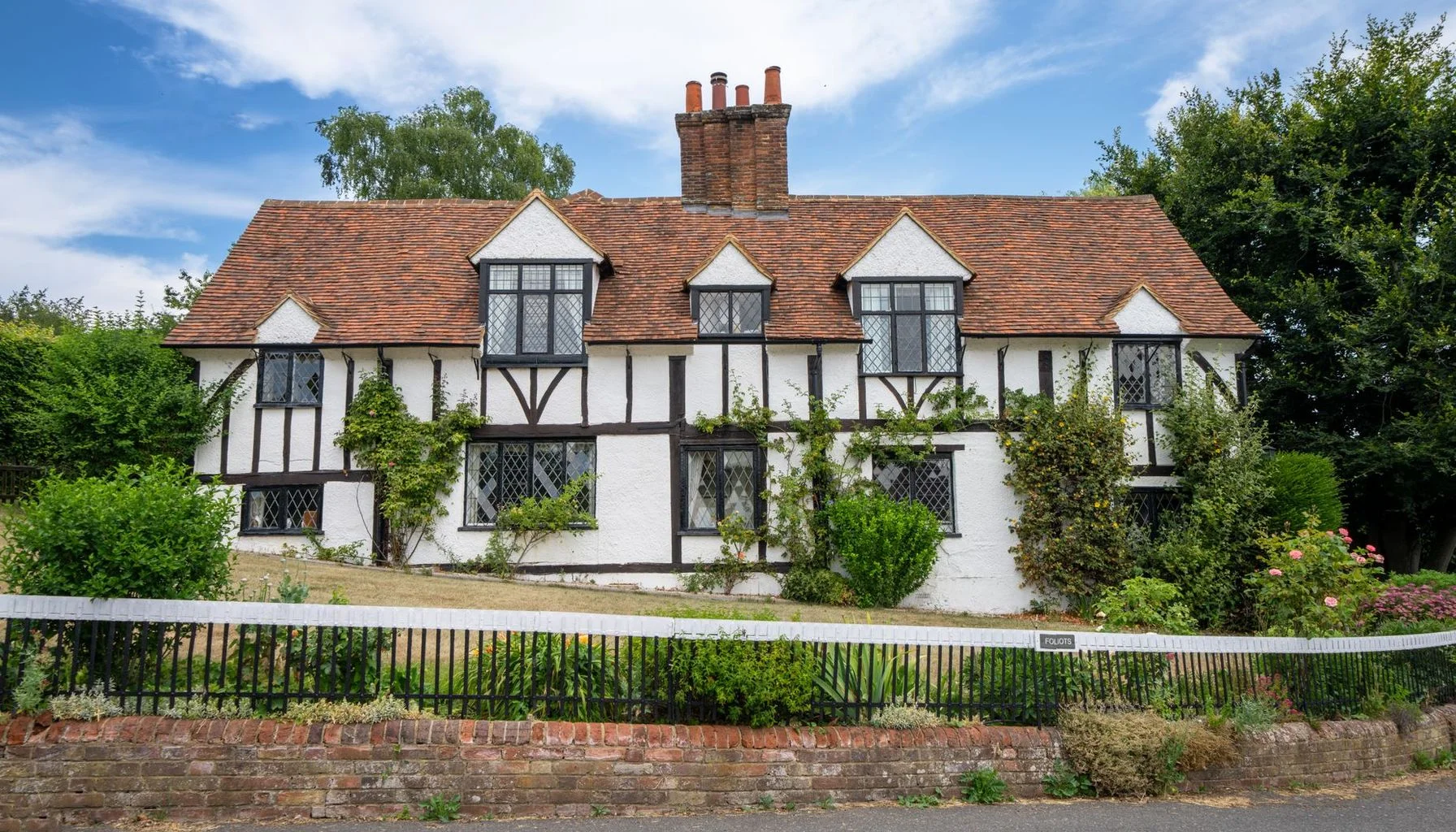
Category: Residential

  • House Prices Flatline in July: Key Insights

    House Prices Flatline in July: Key Insights

    House prices in the UK have remained stagnant in July, with the average price holding steady at £299,253. This follows a modest increase of 0.2% in June and marks the slowest annual growth rate of just 0.1% in nearly three years. Such trends are significant as they highlight ongoing affordability challenges for potential buyers and the broader property market dynamics.

    TL;DR: Average house prices in the UK remained unchanged at £299,253 in July; this stagnation reflects ongoing affordability issues impacting buyers and investors.

    What Regions Are Seeing Price Changes?

    Across the UK, house price trends vary significantly by region. Northern Ireland continues to lead with an impressive annual growth rate of 7.4%, bringing the average property price to £231,131. Scotland also shows positive movement, with a 3.6% rise in average prices, now at £223,246. In Wales, property prices increased by 1.6%, reaching £231,458.

    In contrast, England’s growth is more subdued, particularly in the South. The North East has recorded a 2.8% increase, with average prices at £182,488, while the North West saw a 2.1% rise to £247,836. However, the South East experienced a decline of 2%, bringing average prices down to £381,146, and Greater London saw a 1.3% drop, with average prices now at £533,930.

    Why Are House Prices Stagnating?

    According to Amanda Bryden, head of mortgages at Lloyds, the average house prices have remained relatively stable for nearly two years, fluctuating within a narrow range. This stability is coupled with affordability challenges that many potential buyers face. Recent geopolitical events, particularly in the Middle East, have led to rising mortgage rates after a brief period of easing earlier in the summer, further complicating the market.

    Propertymark’s chief executive Nathan Emerson noted that 2026 has posed significant affordability challenges for both existing homeowners and first-time buyers. However, he pointed out that with interest rates stabilising and inflation unexpectedly dropping last month, there may be a shift towards improved buyer confidence as the year progresses.

    What This Means for Buyers and Investors

    The stagnation in house prices may signal a cautious approach for potential buyers and investors. First-time buyers may find it increasingly challenging to enter the market due to ongoing affordability issues, while existing homeowners may feel the pressure of rising mortgage rates. Investors should closely monitor regional trends, especially in areas like Northern Ireland and Scotland, where growth remains robust.

    For those considering mortgage options, it’s essential to stay informed about current mortgage rates and explore current mortgage rates to make informed decisions.

    Frequently Asked Questions

    What factors are affecting house prices in the UK?

    House prices are influenced by regional growth disparities, affordability challenges, and fluctuations in mortgage rates, particularly following geopolitical events.

    How can buyers navigate the current property market?

    Buyers should stay informed about regional trends, consider their financial readiness, and explore various mortgage options to find the best fit for their circumstances.
  • West One Expands Options in the Mortgage Market

    West One Expands Options in the Mortgage Market

    West One has broadened its residential mortgage and second charge offerings, introducing larger loan sizes and improved criteria. This expansion is significant for borrowers seeking greater flexibility and access to financing options in the mortgage market.

    TL;DR: West One has increased maximum loan sizes and introduced a new prime credit tier for residential mortgages, impacting first-time buyers and remortgagers; these changes aim to enhance accessibility and flexibility in the mortgage market.

    What are the key changes in West One’s mortgage offerings?

    West One has introduced a new prime credit tier for residential mortgages, allowing lending of up to 90% LTV. This tier is available for first-time buyers, home movers, and remortgage customers, with loan-to-income (LTI) multiples reaching up to 6.5x. Additionally, maximum loan sizes for the extra residential range have been raised to £1 million at 85% LTV, enhancing borrowing potential for clients.

    How do these changes affect the mortgage market?

    In the realm of second charge mortgages, West One has increased maximum loan sizes to £900,000 for selected products. The lender has also adjusted its Automated Valuation Model (AVM) criteria, now accepting lower confidence levels for loans up to 75% LTV. These enhancements aim to provide borrowers with more options and flexibility in securing second charge financing.

    What this means for borrowers and brokers

    For borrowers, these enhancements mean easier access to larger loans and better terms, especially for those with a strong financial history but facing isolated credit issues. Brokers will benefit from the increased flexibility in lending criteria, allowing them to assist a wider range of clients. Overall, these changes reflect West One’s commitment to removing barriers in the mortgage market.

    Frequently asked questions

    What is the new prime credit tier from West One?

    The new prime credit tier allows residential mortgage lending up to 90% LTV, aimed at first-time buyers, home movers, and remortgagers.

    How has West One improved second charge mortgage options?

    West One has raised maximum loan sizes for second charge mortgages to £900,000 and adjusted AVM criteria to accept lower confidence levels up to 75% LTV.

  • House Price Growth Slows: Implications for Mortgages

    House Price Growth Slows: Implications for Mortgages

    House prices in the UK have seen their slowest annual growth since late 2023, with only a 0.1% rise over the past year. This stagnation is significant for potential buyers and sellers, as it reflects a cooling market that could influence mortgage decisions and property investments.

    TL;DR: UK house prices rose by just 0.1% year-on-year, marking the slowest growth since 2023; this slowdown impacts sellers and buyers, particularly in regions like the South East and Greater London where prices have declined.

    What are the latest house price trends?

    According to the latest data from the Lloyds House Price Index, the average price of a UK home has decreased slightly from £299,396 in June to £299,253 in July. This marks a period of stability in the housing market, where prices have remained relatively unchanged for nearly two years. Notably, Northern Ireland has outperformed other regions, recording a 7.4% annual growth, while Scotland and the North East have also seen increases of 3.6% and 2.8%, respectively. In contrast, the South East and Greater London have experienced declines of 2% and 1.3%.

    Why is the market slowing down?

    Experts attribute the slowdown to seasonal trends, as many households tend to focus on holidays during the summer months, leading to decreased activity in the housing market. Additionally, recent increases in mortgage rates, driven by rising swap rates due to ongoing geopolitical tensions, have further dampened demand. As lenders adjust their pricing strategies in response to these economic factors, potential buyers may find themselves facing higher borrowing costs.

    What does this mean for sellers and buyers?

    For sellers, the current market conditions suggest a need for realistic pricing strategies. With price growth stagnating, homes may take longer to sell, particularly in areas experiencing declines. Sellers should consider the competitive market and be prepared to negotiate. For buyers, this may present an opportunity to enter the market, especially in regions where prices are falling. However, potential buyers should also be cautious of rising mortgage rates, which could affect affordability and overall purchasing power.

    What this means for mortgage seekers

    The current house price trends and the rise in mortgage rates have significant implications for those seeking mortgages. Borrowers may find that securing a mortgage becomes more expensive as lenders adjust their rates. It is advisable for prospective buyers to use a mortgage calculator to assess their potential borrowing costs and understand how current rates impact their budgets. Additionally, those looking to remortgage should consider acting sooner rather than later, as further rate increases could affect their options.

    Frequently asked questions

    How can I prepare for rising mortgage rates?

    To prepare for rising mortgage rates, consider locking in a fixed-rate mortgage if possible, and review your financial situation to ensure you can accommodate higher monthly payments. Staying informed about market trends can also help you make timely decisions.

    Is now a good time to buy a home?

    Whether it is a good time to buy a home depends on individual circumstances. While prices are stabilising, rising mortgage rates may affect affordability. Assess your financial readiness and consult with a mortgage advisor to determine the best course of action.

  • West One Expands Mortgage Offerings in the Mortgage Market

    West One Expands Mortgage Offerings in the Mortgage Market

    West One has announced a significant expansion of its residential mortgage and second charge offerings, enhancing options for borrowers and brokers alike. This move introduces larger maximum loan sizes and improved credit criteria, reflecting a growing demand in the mortgage market.

    TL;DR: West One has increased maximum loan sizes for residential mortgages to £1 million at 85% LTV and introduced a new prime credit tier for first-time buyers and remortgagers; these changes aim to provide greater flexibility for borrowers and brokers.

    What Are the Key Changes in West One’s Offerings?

    The lender has introduced a new prime credit tier for residential mortgages, allowing lending up to 90% LTV. This tier is available for first-time buyers, home movers, and remortgage customers, with loan-to-income (LTI) multiples reaching 6.5x as standard. Additionally, maximum loan sizes for the extra residential range have increased, now allowing borrowing of up to £1 million at 85% LTV in the premier extra and platinum extra product tiers.

    How Do These Changes Affect Borrowers?

    For borrowers, these enhancements mean more accessible financing options, especially for those with strong credit profiles but facing isolated financial setbacks. The increased maximum loan sizes and enhanced AVM criteria—now accepted at lower confidence levels up to 75% LTV—provide a wider array of choices for those looking to purchase or remortgage.

    What This Means for Brokers in the Mortgage Market

    Brokers will benefit from the increased flexibility that West One’s updated criteria offer. The lender’s commitment to removing barriers for borrowers allows brokers to better serve their clients, particularly those seeking larger loans or those who may have experienced minor credit issues in the past.

    Frequently asked questions

    What is the maximum loan size available now?

    West One has increased the maximum loan size for selected products to £900,000 for second charges and up to £1 million for residential mortgages at 85% LTV.

    Who can benefit from the new prime credit tier?

    The new prime credit tier is designed for first-time buyers, home movers, and remortgage customers, allowing them to access loans up to 90% LTV.

  • House Price Slowdown: Impact on Mortgages and Buyers

    House Price Slowdown: Impact on Mortgages and Buyers

    House prices in the UK have reached their slowest annual growth since late 2023, with a mere 0.1% increase over the past year. This stagnation is significant for potential buyers and sellers, as it reflects a cooling market that may affect mortgage availability and pricing.

    TL;DR: UK house prices rose by only 0.1% over the past year, with the average home now priced at £299,253; this slowdown impacts both buyers and sellers, particularly in regions like Greater London and the South East.

    Current Trends in House Prices and Mortgages

    According to the latest data from Lloyds, which includes the Halifax House Price Index, the average price of a UK home decreased slightly from £299,396 in June to £299,253 in July. This marks a significant shift, as it indicates no growth in property values for the month. The overall trend shows that house prices have remained stable for nearly two years, with only a 0.5% increase since November 2024.

    Regional Variations in the Housing Market

    While the national average shows stagnation, regional variations are notable. Northern Ireland continues to lead the UK with a robust annual growth rate of 7.4%. Scotland follows with a 3.6% increase, and the North East of England reports a 2.8% rise. In contrast, the South East has seen a decline of 2%, and Greater London has experienced a 1.3% drop in property values. These disparities highlight the differing dynamics within the UK housing market.

    What Does This Mean for Buyers and Mortgage Seekers?

    The current slowdown in house prices presents both challenges and opportunities for buyers and sellers. For buyers, the lack of significant price increases may provide a more stable environment to secure a mortgage without the pressure of rapidly rising costs. However, potential buyers should remain cautious as lenders have recently begun to increase mortgage rates in response to rising swap rates, influenced by ongoing geopolitical tensions.

    Sellers, on the other hand, may need to adjust their expectations. With prices plateauing, it may take longer to sell properties, particularly in regions experiencing declines. Sellers in Greater London and the South East may need to consider more competitive pricing strategies to attract buyers.

    What Should Investors Watch Next in the Mortgage Market?

    Investors should keep a close eye on mortgage rate trends, as recent hikes by lenders could signal a tightening of lending conditions. The impact of rising rates on borrowing costs may influence property demand and pricing in the coming months. Additionally, the performance of regional markets, especially in Northern Ireland and Scotland, could present investment opportunities in areas with stronger growth potential.

    Frequently asked questions

    How can I calculate my mortgage payments?

    You can use a mortgage calculator to estimate your monthly payments based on the loan amount, interest rate, and term length.

    What should I consider when applying for a mortgage?

    When applying for a mortgage, consider your credit score, the amount you can afford for a deposit, and the type of mortgage that best suits your financial situation.

  • House Prices Flatline in July: What This Means for Buyers

    House Prices Flatline in July: What This Means for Buyers

    House prices in the UK have remained stagnant in July, holding steady at an average of £299,253. This follows a modest increase of 0.2% in June and marks the slowest annual growth rate of just 0.1% recorded in nearly three years. The latest figures from Lloyds reveal that while some regions are experiencing growth, the overall national trend suggests a challenging environment for both buyers and investors.

    TL;DR: Average house prices in the UK stagnated at £299,253 in July; this flatlining trend highlights ongoing affordability issues for potential buyers and landlords.

    What Are the Key Regional Trends in House Prices?

    Regionally, Northern Ireland has shown the strongest annual growth, with prices increasing by 7.4%, bringing the average property price to £231,131. Scotland also saw a rise of 3.6%, with average prices reaching £223,246. In Wales, annual growth was recorded at 1.6%, leading to an average price of £231,458. Conversely, England is witnessing a more mixed picture, particularly in the South East, where prices have decreased by 2% to £381,146, and Greater London, which experienced a 1.3% decline to £533,930.

    Why Are House Prices Stagnating?

    According to Amanda Bryden, head of mortgages at Lloyds, the stability in average house prices over the past two years indicates a market that has been moving within a narrow range. With prices only 0.5% higher than in November 2024, the current economic climate, including rising mortgage rates and inflation, continues to present challenges for potential buyers. The recent geopolitical events in the Middle East have also contributed to a rise in mortgage rates after a brief period of easing earlier in the summer.

    What This Means for Buyers and Investors

    The stagnation in house prices poses significant implications for both first-time buyers and existing homeowners. Affordability remains a pressing issue, as many potential buyers are finding it increasingly difficult to enter the market. Propertymark’s chief executive, Nathan Emerson, notes that 2026 has been particularly challenging for affordability. However, with interest rates stabilising and inflation showing signs of decline, there may be a gradual improvement in buyer confidence as the year progresses.

    What Should You Watch Next?

    As the housing market continues to evolve, it is essential for buyers, landlords, and investors to stay informed about changes in mortgage rates and economic conditions. Monitoring the latest data from authoritative sources, such as the Bank of England and the Land Registry, will provide insights into future trends. Additionally, keeping an eye on regional variations in house prices can help identify opportunities for investment or purchasing.

    Frequently Asked Questions

    What factors are influencing the current house price trends?

    Current house price trends are influenced by affordability challenges, rising mortgage rates, and regional economic conditions. Recent geopolitical events have also impacted market stability.

    How can buyers navigate the current housing market?

    Buyers should focus on understanding their financial situation, exploring various mortgage options, and staying informed about market trends to make well-informed decisions.

  • West One Expands Offerings in the UK Mortgage Market

    West One Expands Offerings in the UK Mortgage Market

    West One has broadened its residential mortgage and second charge product ranges, introducing larger maximum loan sizes and enhanced criteria. This expansion is significant as it aims to provide more flexibility for borrowers and brokers alike, particularly in a competitive mortgage market.

    TL;DR: West One now offers residential mortgages up to 90% LTV for first-time buyers and home movers; maximum second charge loans have increased to £900,000, benefiting a wider range of borrowers.

    What are the key changes in West One’s mortgage offerings?

    West One has launched a new prime credit tier for residential mortgages, allowing lending up to 90% LTV. This tier is available for first-time buyers, home movers, and remortgage customers, with loan-to-income (LTI) multiples reaching 6.5x. Additionally, the lender has increased maximum loan sizes across its extra residential range, now permitting borrowing up to £1 million at 85% LTV for its premier extra and platinum extra products.

    How does this affect the mortgage market?

    The maximum loan sizes for second charge mortgages have also been raised to £900,000 on selected products. Furthermore, West One has enhanced its automated valuation model (AVM) criteria, now accepting lower confidence levels for valuations up to 75% LTV. These changes aim to make it easier for borrowers to access funds through second charge mortgages, impacting the overall mortgage market by increasing availability.

    What this means for borrowers and brokers

    These enhancements are designed to reduce barriers for borrowers, allowing more clients to tap into West One’s extra product ranges. Brokers will benefit from increased flexibility in lending options, accommodating clients who may have faced challenges due to previous financial issues. This shift is particularly important as it broadens access to finance in the mortgage market.

    Frequently asked questions

    What types of borrowers can benefit from the new offerings?

    First-time buyers, home movers, and those looking to remortgage can take advantage of the new prime credit tier and increased loan sizes.

    How do the changes impact second charge loans?

    The increased maximum loan sizes and enhanced AVM criteria make it easier for borrowers to secure second charge mortgages, broadening access to additional funds.

  • UK House Prices Flatline in July: What It Means

    UK House Prices Flatline in July: What It Means

    House prices in the UK remained unchanged in July, with the average price holding steady at £299,253. This stagnation follows a modest increase of 0.2% in June, reflecting a broader trend of minimal growth in the housing market.

    TL;DR: Average house prices in the UK were flat in July at £299,253; this stability highlights ongoing affordability challenges for buyers and homeowners.

    What Are the Current Trends in House Prices?

    The latest data from Lloyds indicates that the annual growth rate for house prices is just 0.1%, marking the slowest increase in nearly three years. Northern Ireland continues to lead in annual growth, with prices rising by 7.4%, bringing the average property price there to £231,131. Scotland also saw a positive trend, with a 3.6% increase in average prices to £223,246.

    In Wales, the annual growth rate stands at 1.6%, resulting in an average price of £231,458. However, the situation is less favourable in England, particularly in the South East, where prices fell by 2% to £381,146, and Greater London, which experienced a 1.3% decline to £533,930. This regional disparity indicates that while some areas are experiencing growth, others are facing declines, particularly in the more expensive markets.

    Why Are House Prices Stagnating?

    According to Amanda Bryden, head of mortgages at Lloyds, house prices have remained relatively stable for nearly two years, fluctuating within a narrow range. This stability is attributed to ongoing affordability challenges faced by potential buyers. Rising mortgage rates, particularly following recent geopolitical events, have compounded these issues, making it more difficult for many to enter the market.

    Propertymark’s chief executive, Nathan Emerson, echoed these sentiments, noting that 2026 has presented significant affordability challenges for both existing homeowners and first-time buyers. However, he also pointed out that steady interest rates and a surprising drop in inflation last month could create conditions that support improved buyer confidence as the year progresses.

    What This Means for Buyers and Investors

    For potential buyers and investors, the current stagnation in house prices may present both challenges and opportunities. While affordability remains a significant hurdle, those looking to purchase in areas with stable or growing prices might find it advantageous to act now, especially if interest rates stabilise or decrease. Investors should closely monitor regional trends, particularly in Northern Ireland and Scotland, where growth is more pronounced.

    For existing homeowners, the flatlining of prices means that equity growth may be limited, impacting refinancing options and future investment potential. It’s essential for all stakeholders to stay informed about market conditions and consider the implications of current mortgage rates when making decisions.

    Frequently Asked Questions

    What factors are influencing house prices in the UK?

    House prices are influenced by various factors, including affordability challenges, regional economic conditions, and fluctuations in mortgage rates. Recent geopolitical events have also contributed to rising mortgage rates, impacting buyer confidence.

    How can buyers navigate the current housing market?

    Buyers should stay informed about regional price trends, consider their financial situation in light of current mortgage rates, and be prepared to act quickly in areas where prices are stable or increasing. Consulting with mortgage brokers can provide valuable insights and options.

  • West One Expands Mortgage Market Offerings

    West One Expands Mortgage Market Offerings

    West One has announced an expansion of its residential mortgage and second charge product ranges, featuring larger maximum loan sizes and improved credit criteria. This development is significant as it aims to provide greater access to financing for borrowers, particularly in a competitive mortgage market.

    TL;DR: West One has increased maximum loan sizes to £1 million for residential mortgages and £900,000 for second charges; this change benefits first-time buyers, home movers, and remortgage customers.

    What are the key changes in West One’s mortgage offerings?

    West One has introduced a new prime credit tier for residential mortgages, allowing lending up to 90% LTV. This tier is available to first-time buyers, home movers, and those looking to remortgage, with loan-to-income (LTI) multiples of up to 6.5x as standard. Additionally, the lender has raised maximum loan sizes on its extra residential range to £1 million at 85% LTV for its premier extra and platinum extra product tiers. The criteria for Automated Valuation Models (AVMs) have also been enhanced for purchases and remortgages up to 85% LTV.

    How do these changes impact borrowers and brokers?

    The increase in maximum loan sizes and the introduction of a new credit tier mean that more clients can access West One’s Extra product ranges. This is particularly beneficial for borrowers who may have faced challenges due to previous financial blips, as the updated credit criteria acknowledge their overall financial strength. Brokers will find greater flexibility in offering these enhanced products to their clients, potentially leading to quicker approvals and a smoother borrowing experience.

    What this means for the mortgage market

    This expansion by West One reflects a broader trend in the mortgage market towards accommodating a wider range of borrowers. As lenders adapt their offerings, it is essential for potential borrowers and brokers to stay informed about the latest products and criteria. This could lead to increased competition among lenders, ultimately benefiting consumers.

    Frequently asked questions

    What types of borrowers can benefit from West One’s new offerings?

    First-time buyers, home movers, and remortgage customers can take advantage of the new prime credit tier and larger loan sizes.

    How can brokers use these changes?

    Brokers can offer clients more flexible options with higher loan amounts and improved credit criteria, facilitating easier access to mortgage products.

  • West One Expands Mortgage Offerings in the Market

    West One Expands Mortgage Offerings in the Market

    West One has announced an expansion of its residential mortgage and second charge product ranges, enhancing options for borrowers and brokers alike. The updates include larger maximum loan sizes, improved automated valuation model (AVM) criteria, and the introduction of additional credit tiers, which can significantly impact the mortgage market.

    TL;DR: West One has increased maximum loan sizes for residential mortgages to £1 million at 85% LTV and second charge loans to £900,000; this expansion aims to provide more flexibility for borrowers and brokers.

    What changes has West One made to its mortgage offerings?

    West One has introduced a new prime credit tier for residential mortgages, allowing lending up to 90% LTV. This tier is available to first-time buyers, home movers, and those looking to remortgage, with loan-to-income (LTI) multiples of up to 6.5x. Additionally, maximum loan sizes for its extra residential range have been raised to £1 million at 85% LTV in the premier extra and platinum extra product tiers. The AVM criteria have also been enhanced, facilitating purchases and remortgages up to 85% LTV.

    How does this affect borrowers and brokers?

    The increased loan sizes and updated credit criteria are designed to remove barriers for borrowers, allowing more individuals to access West One’s Extra product ranges. This is particularly beneficial for those who may have experienced isolated financial issues, as the new criteria acknowledge that these should not define an otherwise strong borrower. For brokers, the expanded offerings provide greater flexibility in meeting client needs.

    What this means for the mortgage market

    The enhancements by West One signal a shift towards accommodating more borrowers in the mortgage market. With larger loan sizes and higher LTVs, more clients can benefit from competitive mortgage options. This could lead to increased activity in the housing market, particularly among first-time buyers and those seeking to remortgage.

    Frequently asked questions

    What is the maximum loan size now available from West One?

    The maximum loan size for residential mortgages has increased to £1 million at 85% LTV, while second charge loans can now go up to £900,000.

    Who can benefit from the new prime credit tier?

    The new prime credit tier is available for first-time buyers, home movers, and remortgage customers, allowing lending up to 90% LTV.