Category: Residential

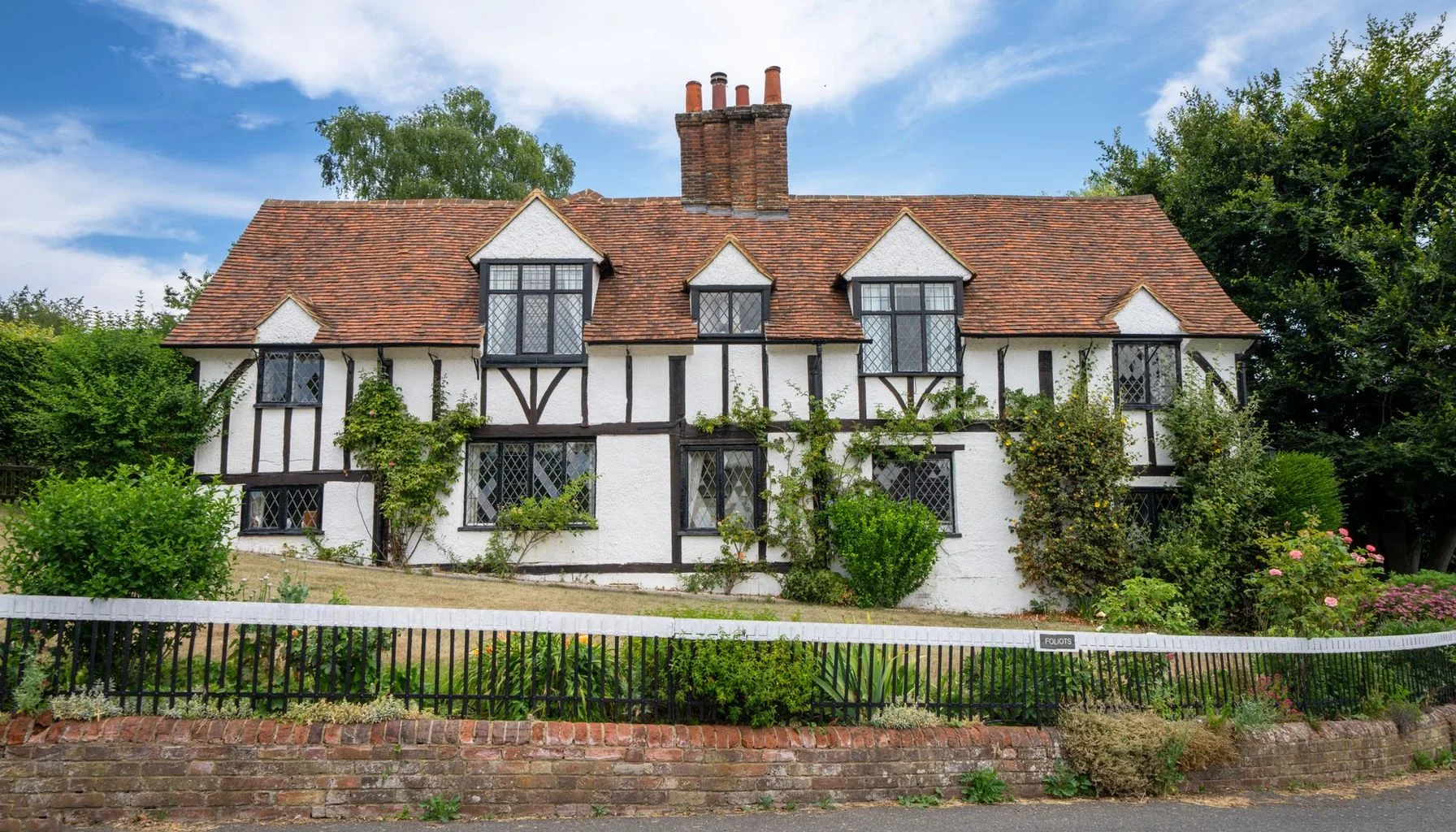
  • Getting a Mortgage on Timber-Built Properties

    Getting a Mortgage on Timber-Built Properties

    Obtaining a mortgage for a timber-built property can be challenging, as lenders often impose stricter criteria due to the construction type. Understanding these requirements is essential for potential buyers and investors.

    TL;DR: Mortgages for timber-built properties are available but often require larger deposits and specialist lenders; this affects buyers of log cabins and similar constructions.

    Can You Get a Mortgage on Timber-Built Properties?

    Yes, you can secure a mortgage on a timber-built property, but the options are more limited compared to traditional brick-and-mortar homes. Fully timber constructions, such as log cabins, face greater scrutiny from lenders. Properties classified as ‘non-standard construction’, including Swedish timber homes and chalet-style properties, may also encounter difficulties due to lender apprehensions about fire risk, durability, and resale value.

    What Factors Influence Mortgage Approval?

    When assessing timber-built properties, lenders consider several factors:

    • Fire risk associated with timber materials
    • Durability and expected lifespan of the construction
    • Resale value, particularly if the property needs to be sold following repossession
    • Maintenance requirements and associated costs

    These considerations can lead to higher deposit requirements and the need for a specialist lender, as high street banks may not offer standard rates for these types of properties.

    What This Means for Buyers and Investors

    For individuals looking to purchase a timber-built home, it is advisable to consult with a mortgage broker who has access to a wider range of lenders, including building societies that may offer more flexible underwriting. A surveyor’s report is also critical in this process, as it can provide insights into the construction type and potential issues that may affect mortgage approval. You may also want to check residential mortgages for better options.

    Frequently Asked Questions

    Are all timber-built properties difficult to finance?

    Not all timber-built properties are difficult to finance, but fully timber constructions often face more restrictions. Non-standard constructions may require a larger deposit and specialist lenders.

    What should I do if my mortgage broker has limited options?

    If your broker has a limited panel of lenders, consider seeking a second opinion from another broker who can explore the specialist lending market and assess your specific circumstances.
  • Santander Sees Rise in Mortgage Lending in the Market

    Santander Sees Rise in Mortgage Lending in the Market

    Santander has reported a significant increase in its gross mortgage lending, reaching a notable figure. This growth is primarily attributed to the bank’s recent acquisition of TSB, which has expanded its loan book considerably. For borrowers and investors, this development signals a competitive mortgage market with potential opportunities for both new and existing clients.

    TL;DR: Santander’s gross mortgage lending rose significantly, bolstered by its acquisition of TSB; borrowers may find more competitive options in the evolving mortgage market.

    What does the rise in Santander’s mortgage lending mean?

    The increase in Santander’s gross mortgage lending indicates a robust demand for mortgages in the UK. The bank’s loan book expanded largely due to the integration of TSB. This acquisition not only enhances Santander’s market position but also reflects a trend of consolidation in the banking sector, which could lead to more competitive offerings for borrowers.

    How has the borrower profile changed?

    In terms of borrower demographics, Santander’s mix has shown some shifts. Homemovers now represent a significant portion of its business, while remortgagors have increased their share. First-time buyers have seen a decrease, indicating a potential challenge in affordability for new entrants to the housing market. Meanwhile, buy-to-let lending has remained stable, suggesting that landlords are continuing to invest despite market fluctuations.

    What this means for the mortgage market

    For borrowers, the current mortgage market presents a mix of opportunities and challenges. With a large percentage of Santander’s mortgage borrowers on fixed-rate deals, the slight increase in standard variable rate borrowers may prompt some to consider locking in fixed rates before potential further rate hikes. Additionally, the average loan-to-value ratio has increased, indicating that lenders may be willing to offer higher loans relative to property values. Investors, particularly in the buy-to-let sector, should keep an eye on how these changes affect rental yields and property values.

    What are the implications of Santander’s financial performance?

    Despite the rise in mortgage lending, Santander reported a decline in half-year pre-tax profits. This decrease is attributed to an impairment charge related to historical motor finance commission payments and increased restructuring costs following the TSB acquisition. The bank’s net interest income has risen, driven by TSB’s higher net interest margin, although the overall net interest margin has slightly decreased. This financial performance may influence future lending strategies and interest rates, which borrowers should monitor closely.

    Frequently asked questions

    What should first-time buyers consider in this market?

    First-time buyers should assess their affordability given the slight decrease in their representation among borrowers. With rising loan-to-value ratios, it may be beneficial to explore current mortgage rates to secure lower monthly payments.

    How can landlords navigate the current mortgage market?

    Landlords should remain informed about stable buy-to-let lending rates and consider the implications of changing interest rates on their investments. Monitoring market trends will help in making informed decisions about property acquisitions or refinancing.

  • Getting a Mortgage on Timber-Built Properties Explained

    Getting a Mortgage on Timber-Built Properties Explained

    Securing a mortgage for a timber-built property can be challenging, but it is possible. Understanding the nuances of timber construction is essential for potential borrowers, as lenders often have specific concerns regarding these types of properties.

    TL;DR: Mortgages for timber-built properties are available but often come with restrictions; fully timber constructions may require larger deposits and specialist lenders.

    What Types of Timber Construction Are There?

    Timber properties can vary significantly in construction style, which influences mortgage eligibility. Fully timber structures, such as log cabins, typically face more scrutiny from lenders. In contrast, properties constructed with Swedish timber or chalet-style homes are classified as ‘non-standard construction.’ These classifications affect lender appetite and the terms of any mortgage offered.

    Why Are Timber-Built Properties More Difficult to Finance?

    Lenders often express concerns about several factors related to timber-built properties, including:

    • Fire Risk: Timber is more susceptible to fire damage, raising concerns about safety and insurance.
    • Durability and Lifespan: The longevity of timber structures can be questioned, impacting resale value.
    • Resale Value: If a property is repossessed, it may be harder to sell, making lenders cautious.
    • Maintenance Requirements: Timber properties may require more upkeep, which can deter some buyers.

    What This Means for Borrowers Seeking a Mortgage

    For those looking to purchase a timber-built property, it’s important to be aware that standard high street lenders may not offer competitive rates. Instead, borrowers might need to seek out building societies or specialist lenders who have more flexible underwriting criteria. Factors such as the surveyor’s report, construction type, location, deposit size, and the borrower’s financial profile will all play significant roles in mortgage approval. For more information on mortgage options, check out our residential mortgages.

    Frequently Asked Questions

    Can I get a mortgage on a log cabin?

    Yes, but you may face challenges. Log cabins are often considered non-standard construction, which can limit lender options and require a larger deposit.

    What should I do if my broker has a limited panel of lenders?

    Consider consulting another broker who specializes in non-standard construction mortgages to explore more options and find a suitable lender.

  • Understanding Mortgages for Timber-Built Properties

    Understanding Mortgages for Timber-Built Properties

    Obtaining a mortgage for a timber-built property can be challenging, but it is possible. The type of timber construction plays a significant role in determining mortgage availability and terms, which is important for prospective buyers and investors.

    TL;DR: Mortgages for timber-built properties exist but are often limited; fully timber structures may require larger deposits and specialist lenders.

    Can You Get a Mortgage on a Timber-Built Property?

    Yes, you can secure a mortgage on a timber-built property, but the options are more restricted compared to traditional brick-and-mortar homes. Fully timber constructions, such as log cabins, face greater scrutiny from lenders. Properties classified as ‘non-standard construction,’ which includes Swedish timber and chalet-style homes, may also be harder to finance.

    What Do Lenders Consider?

    When evaluating timber-built properties, lenders assess several factors:

    • Fire Risk: Timber properties may pose higher fire hazards compared to conventional builds.
    • Durability & Lifespan: The long-term viability of timber structures can affect lender confidence.
    • Resale Value: Properties that are harder to sell if repossessed can be a concern for lenders.
    • Maintenance Requirements: The upkeep of timber properties may influence lending decisions.

    What This Means for Borrowers and Investors

    For borrowers looking to purchase a timber-built home, the mortgage process may require a larger deposit and could involve higher interest rates. High street lenders often shy away from such properties, making it essential to consult with building societies or specialist lenders who have more flexible underwriting criteria. Engaging a knowledgeable mortgage broker can help navigate the limited options available and provide access to a wider range of lenders.

    Frequently Asked Questions

    What types of timber constructions are more likely to get approved?

    Properties like Swedish timber homes or chalet-style constructions may be more accepted than fully timber structures like log cabins, but they still fall under non-standard construction.

    Do I need a surveyor’s report for a timber-built property mortgage?

    Yes, a surveyor’s report is critical as it provides detailed insights into the property’s condition, which lenders will heavily rely on during the assessment process.

  • Conveyancing Costs Stable Amid Rising House Prices

    Conveyancing Costs Stable Amid Rising House Prices

    The latest data indicates that while UK house prices have increased, conveyancing costs have remained stable, providing some predictability for buyers and investors. The average cost of purchasing a freehold property rose slightly from £1,383 in April 2025 to £1,439 in April 2026, reflecting a broader trend in the housing market.

    TL;DR: Average conveyancing costs have increased marginally to £1,439, while house prices rose from £260,162 to £270,080; this stability benefits borrowers and investors navigating the property market.

    How Have House Prices Changed?

    According to government figures, the average house price in the UK increased from £260,162 in April 2025 to £270,080 in April 2026. This represents a significant upward trend, impacting affordability and the overall market dynamics for potential buyers and investors.

    What Are the Current Conveyancing Costs?

    The average cost of conveyancing for freehold purchases has seen a slight increase, now accounting for 0.53% of the average property value, unchanged from the previous year. This stability in conveyancing fees is noteworthy, especially as it contrasts with the rising house prices, providing some relief for buyers who may be concerned about additional costs.

    What This Means for Borrowers and Investors

    For borrowers and investors, the stable conveyancing costs amidst rising house prices can be a positive sign. It suggests that while property values are increasing, the associated legal costs of purchasing remain manageable. This could encourage more buyers to enter the market, potentially leading to increased competition and further price growth.

    How Do Regional Variations Affect the Market?

    Regional variations are also significant. In London, for instance, average house prices have decreased by 2.1%, yet conveyancing fees have remained stable, resulting in these fees accounting for just 0.32% of property values. Conversely, in Scotland, conveyancing costs have risen more quickly than house prices, increasing from 0.62% to 0.69% of the average property’s value, indicating a different market dynamic.

    Frequently Asked Questions

    What should buyers consider regarding conveyancing costs?

    Buyers should factor in conveyancing costs as part of their overall budget, especially in light of rising house prices. Understanding these costs can help in financial planning.

    Are conveyancing fees likely to change in the future?

    While current trends show stability in conveyancing fees, future changes may depend on market conditions, regulatory changes, and regional variations in property values.

  • Conveyancing Costs Steady Amid Rising House Prices

    Conveyancing Costs Steady Amid Rising House Prices

    The average conveyancing costs for purchasing freehold properties in the UK have remained stable, even as house prices have risen. According to recent analysis, the average cost of conveyancing increased slightly from £1,383 in April 2025 to £1,439 in April 2026, while the average UK house price rose from £260,162 to £270,080. This stability is significant for borrowers and investors, as it indicates that the proportion of conveyancing fees relative to property values has not changed.

    TL;DR: Conveyancing fees for freehold properties rose to £1,439, while average house prices increased to £270,080; this stability suggests no added burden for buyers despite rising property values.

    How Do Conveyancing Costs Compare to House Prices?

    The research conducted by Lyons Bowe highlights that conveyancing fees now account for 0.53% of the average property value, consistent with previous years. This percentage remained unchanged year-on-year, indicating that while house prices are climbing, the costs associated with the legal aspects of property transactions are not escalating at the same rate.

    What Regional Variations Exist in Conveyancing Costs?

    In London, average house prices experienced a decline of -2.1%, but conveyancing fees remained largely unchanged, resulting in these fees representing only 0.32% of property values. Conversely, in Scotland, conveyancing costs rose more rapidly than house prices, increasing from 0.62% to 0.69% of the average property value. This disparity highlights the varying dynamics of the property market across different regions.

    What This Means for Borrowers and Investors

    For potential buyers and investors, the stability in conveyancing costs amidst rising house prices is a positive indicator. It suggests that while the overall market may be increasing in value, the legal costs associated with purchasing property are not becoming a heavier financial burden. This stability could encourage more transactions as buyers may feel less pressure from rising costs.

    Frequently Asked Questions

    What are conveyancing costs?

    Conveyancing costs are the fees associated with the legal transfer of property ownership, including services provided by solicitors or licensed conveyancers.

    How do rising house prices affect mortgage affordability?

    Rising house prices can impact mortgage affordability by increasing the amount needed for a deposit and potentially leading to higher monthly repayments, depending on mortgage rates.

  • Smartr365 and Just Mortgages Extend Partnership in Mortgage Market

    Smartr365 and Just Mortgages Extend Partnership in Mortgage Market

    Smartr365 has announced an extension of its partnership with Just Mortgages, enhancing the mortgage market by integrating three connected services for Just Mortgages’ advisers. This collaboration aims to streamline compliance and reduce administrative burdens, allowing clients to verify their identities using their own devices. The introduction of the Smart Currency Exchange feature enables advisers to assist clients with international deposits while securing fixed exchange rates, which can facilitate smoother transactions.

    TL;DR: Just Mortgages’ advisers can now access integrated services through Smartr365, improving compliance and client verification; advisers can earn lifetime commissions averaging £150 to £200 per referral.

    How Does This Partnership Impact the Mortgage Market?

    The integration of Smartr365’s services allows advisers at Just Mortgages to work more efficiently. By reducing administrative tasks, advisers can focus on providing better support to their clients. The ability to verify clients through their devices enhances security and simplifies the process, which is important for clients navigating the mortgage market.

    What Are the Benefits of the Smart Currency Exchange Feature?

    The Smart Currency Exchange feature is particularly beneficial for clients with international deposits. Advisers can now refer these clients directly within the Smartr365 platform, ensuring they receive fixed exchange rates. This not only aids in transparency but also helps clients understand their financial commitments better, which is vital for those investing from abroad.

    What This Means for Borrowers and Landlords

    For borrowers and landlords, the enhanced services provided by Just Mortgages through Smartr365 can lead to a more streamlined mortgage application process. With advisers equipped to handle compliance more effectively and offer competitive rates through the Smart Currency Exchange, clients can expect a more efficient journey from application to approval. This could potentially lead to quicker turnaround times for securing mortgages.

    Frequently Asked Questions

    What is the significance of the lifetime commission for advisers?

    The lifetime commission allows advisers to earn ongoing income from successful referrals, averaging between £150 to £200 per transaction, incentivising them to provide better service and support to clients.

    How does the integration improve client experience?

    By reducing administrative tasks and enabling self-verification, the integration allows advisers to focus on client needs, resulting in a faster and safer customer journey.

  • UK Mortgage Market Update: Rates Rise and Empty Homes Concern

    UK Mortgage Market Update: Rates Rise and Empty Homes Concern

    The UK mortgage market is experiencing significant changes as lenders raise rates in response to increasing funding costs. Nationwide and Virgin Money are among the institutions raising selected mortgage rates, reflecting a broader trend of rising costs that could impact borrowers and investors alike.

    TL;DR: Nationwide and Virgin Money are raising selected mortgage rates; this trend indicates increasing costs for borrowers and potential challenges for the rental market.

    How are lenders adjusting mortgage rates?

    In a notable shift, Nationwide and Virgin Money are increasing their mortgage rates, effective 16 July. This decision comes as funding costs rise, reversing some of the recent price cuts seen in the mortgage market. Barclays is also following suit with rate hikes on selected residential mortgages, while simultaneously reducing some buy-to-let deals. Other lenders, including Coventry Building Society and Gen H, are also raising rates, indicating a widespread adjustment across the mortgage sector.

    What does the slowing rental market mean for landlords?

    According to Hamptons, the pace of landlords selling rental properties has slowed, with purchases outpacing sales for the first time since 2019. However, the new Renters’ Rights Act may prevent a significant number of unsold ex-rental homes from returning to the market due to restrictions on re-letting. This situation could exacerbate the housing shortage, particularly as rents continue to rise amidst improving market conditions for landlords. Landlords should monitor these developments closely, as they may impact rental yields and property values.

    What changes are being made to mortgage eligibility?

    Nationwide has lowered the income threshold for joint applicants seeking mortgages of up to six times their income. This change may open up opportunities for a broader range of borrowers, particularly first-time buyers and those with lower combined incomes. Such adjustments could stimulate demand in the mortgage market, especially among younger buyers looking to enter the property market.

    What this means for borrowers and investors

    For borrowers, the recent rate increases signal a tightening mortgage market, which could lead to higher monthly repayments and potentially limit borrowing capacity. Those looking to secure a mortgage should act swiftly, as rising rates may further restrict affordability. Investors in the property market should also be aware of the implications of the slowing rental market and the potential for increased vacancies among unsold properties. Keeping an eye on the evolving market is important for making informed investment decisions.

    Frequently asked questions

    What should I do if I’m considering a mortgage now?

    If you’re considering a mortgage, it may be wise to secure a deal sooner rather than later, as rising rates could lead to higher costs. Review current mortgage rates and consider consulting with a mortgage broker to find the best options available.

    How will the changes in the rental market affect tenants?

    Tenants may face rising rents as landlords navigate the challenges of an increasing number of unsold properties. With fewer rental options available, competition may drive prices up, making it essential for tenants to act quickly when opportunities arise.

  • UK Mortgage Market Update: Rates Rise and Empty Homes Risk

    UK Mortgage Market Update: Rates Rise and Empty Homes Risk

    The UK mortgage market is experiencing significant shifts as major lenders raise rates and the rental market faces challenges. Nationwide and Virgin Money are among the institutions increasing selected mortgage rates, while concerns grow over unsold ex-rental homes potentially remaining vacant due to new regulations.

    TL;DR: Nationwide and Virgin Money are raising mortgage rates; up to 100,000 unsold ex-rental homes may remain empty due to new restrictions.

    Why Are Mortgage Rates Increasing?

    From 16 July, Nationwide and Virgin Money will increase selected mortgage rates. This change is a response to rising funding costs, reversing some recent price cuts. Similarly, Barclays, Coventry Building Society, and Gen H are also raising rates, with Barclays also cutting some buy-to-let deals. NatWest will follow suit, increasing fixed rates from 17 July.

    What Are the Implications for Borrowers in the Mortgage Market?

    These rate hikes indicate a tightening mortgage market, which could impact affordability for borrowers. With lenders increasing costs, potential homebuyers may find it more challenging to secure favorable mortgage terms. The recent trend of rising rates suggests that those looking to remortgage or purchase new properties should act quickly to secure existing lower rates before further increases occur.

    How Will Landlords Be Affected in the Mortgage Market?

    The rental market is also facing turbulence, with Hamptons reporting that the pace of landlords selling rental properties has slowed. For the first time since 2019, landlord purchases are outpacing sales. However, the new Renters’ Rights Act could prevent up to 100,000 unsold homes from being reintroduced to the rental market due to restrictions on re-letting. This situation could exacerbate the housing supply issue and lead to rising rents as demand continues to outstrip supply.

    What This Means for Investors and Brokers in the Mortgage Market

    For investors, the current market dynamics present both challenges and opportunities. The increase in mortgage rates may deter some buyers, potentially leading to a cooling in property prices. Brokers should prepare for increased inquiries from clients looking for the best rates and advice on navigating the changing market. Additionally, the acquisition of a residential mortgage portfolio by Market Harborough from Gen H indicates a strategic move to capture market share, particularly among first-time buyers and those with complex borrowing needs.

    Frequently asked questions

    What should borrowers do in light of rising mortgage rates?

    Borrowers should consider locking in current rates as soon as possible, especially if they are planning to purchase or remortgage. Consulting with a mortgage broker can help identify the best available options tailored to individual circumstances.

    How can landlords adapt to the new rental market conditions?

    Landlords may need to reassess their rental strategies, focusing on maintaining existing properties and considering the implications of new regulations. Staying informed about market trends and potential legislative changes will be important for effective property management.

  • Mortgage Market Update: Rates Rise Amid Property Concerns

    Mortgage Market Update: Rates Rise Amid Property Concerns

    The UK mortgage market is experiencing significant changes as lenders adjust rates and property sales dynamics shift. With Nationwide and Virgin Money increasing selected mortgage rates by up to 35 basis points, borrowers may find themselves facing higher costs. Additionally, a report from Hamptons indicates that up to 100,000 unsold ex-rental homes could remain vacant due to new re-letting restrictions, impacting both landlords and the rental market.

    TL;DR: Nationwide and Virgin Money are raising mortgage rates by up to 35bps; up to 100,000 ex-rental homes may remain empty due to new regulations affecting landlords.

    Why Are Mortgage Rates Increasing?

    From 16 July, Nationwide and Virgin Money are raising selected mortgage rates as funding costs rise, reversing some of the recent price cuts. This trend is echoed by Barclays, Coventry Building Society, and Gen H, all of whom are increasing rates due to higher swap rates. NatWest is also set to increase its fixed mortgage rates by up to 17 basis points from 17 July. These adjustments reflect the broader economic pressures, including rising funding costs, which are influencing lenders’ pricing strategies.

    What Impact Will This Have on Borrowers?

    For borrowers, the increase in mortgage rates signifies a potential rise in monthly repayments, particularly for those looking to secure fixed-rate deals. As lenders adjust their offerings, it becomes important for borrowers to stay informed about the current mortgage rates and consider locking in rates before further increases occur. The recent changes may lead to a more competitive environment, prompting borrowers to compare options carefully. For those considering a mortgage, now may be the time to explore mortgage rate comparison tools to find the best available deals.

    What Does This Mean for Landlords in the Mortgage Market?

    The rental market is facing challenges, with Hamptons reporting that the pace of landlords selling properties has slowed. Landlord purchases are now exceeding sales for the first time since 2019. However, the new Renters’ Rights Act could prevent up to 100,000 unsold homes from returning to the rental market, as it imposes restrictions on re-letting. This situation is likely to exacerbate the housing supply crisis, potentially leading to increased rental prices as demand outstrips available properties. Landlords should prepare for these changes and consider their long-term strategies in light of the evolving market conditions.

    What Should Investors Watch Next in the Mortgage Market?

    Investors in the property market should keep a close eye on the ongoing adjustments in mortgage rates and the implications of regulatory changes on rental properties. The increase in mortgage rates may deter some potential buyers, impacting property values. Additionally, geopolitical uncertainties could lead to further fluctuations in construction costs, affecting new developments. Investors should also monitor the government’s Financial Inclusion Strategy as it may influence future lending practices and market accessibility.

    Frequently asked questions

    How will the rise in mortgage rates affect first-time buyers?

    First-time buyers may face higher monthly repayments as lenders increase rates. This could make it more challenging to afford a mortgage, potentially delaying home purchases.

    What are the implications of the Renters’ Rights Act for landlords?

    The Renters’ Rights Act may restrict landlords from re-letting unsold properties, potentially leading to a surplus of vacant homes and increasing rental prices due to limited supply.